
Is Sicily Part Of Italy? Fascinating Facts
Welcome to our blog post where we unravel the intriguing question: Is Sicily part of Italy?
I was a little embarrassed to realise I’d reached my early thirties without actually knowing the answer to whether or not Sicily is part of Italy. I live in Europe. I should know this! But when we bought a boat in Sicily I have to admit I knew very little about the place.
Obviously, the first thing I did when I realised we’d be spending months there (over winter, perhaps not the best time to visit Sicily!) is research and find out everything I could, including whether it was in Italy!
Situated in the shimmering waters of the Mediterranean Sea (seriously shimmering!), Sicily has long been a captivating holiday destination with a unique blend of cultures, histories, and breathtaking landscapes.
As Italy’s largest and most historically rich island, Sicily has a distinct character that sets it apart from the mainland, while remaining an integral part of the country. We were surprised to find that Sicily was quite different from anywhere we’d been in Italy.
Join us as we delve into the factors that make it an inseparable part of Italy’s vibrant tapestry and uncover the fascinating relationship between Sicily and Italy to gain a deeper understanding of this enchanting Mediterranean gem.

As an Amazon Associate, we earn from qualifying purchases. We also earn from other affiliate programs. This means we may receive a small commission on products purchased through our links at no extra cost to you.
Table of Contents
- Is Sicily Considered Part Of Italy?
- Has Sicily Ever Been Part Of Italy?
- Is Sicily In Europe?
- Is Sicily A Country?
- The Capital Of Sicily
- Frequently Asked Questions
Is Sicily Considered Part Of Italy?
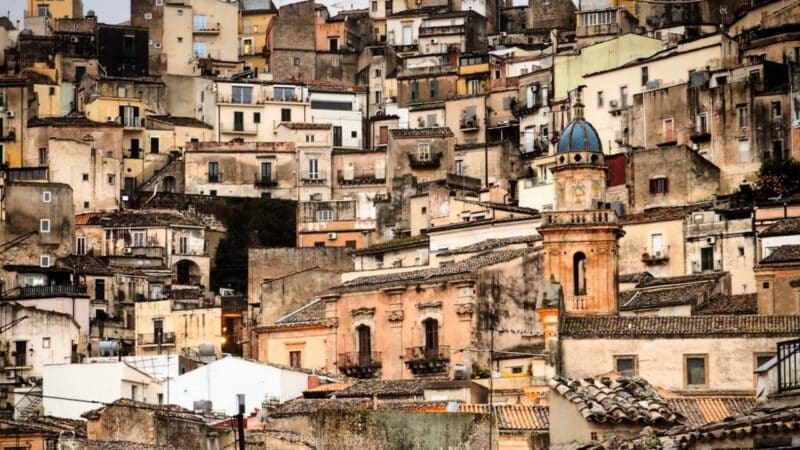
Yes, Sicily is considered part of Italy. Thankfully I learnt this before I got much older!
It is the largest island in the Mediterranean Sea and is located just off the southern tip of the Italian mainland. Sicily has been an integral part of Italian territory since the country’s unification in 1861. It is one of the five autonomous regions of Italy, each with its own administrative powers and legislative bodies.
Throughout history, Sicily has been influenced by various civilizations, including the Greeks, Romans, Arabs, Normans, and Spaniards, among others. These diverse cultural influences have shaped Sicily’s unique identity, making it a captivating blend of different traditions, languages, and architectural styles.
Sicily is renowned for its stunning landscapes, ancient ruins, and charming coastal towns. It boasts numerous UNESCO World Heritage Sites, such as the Valley of the Temples in Agrigento, the Roman Villa of Casale in Piazza Armerina, and the Aeolian Islands, which exemplify its rich historical and natural heritage.
Despite its distinct character and regional autonomy, Sicily is an integral part of Italy both geographically and politically.
It shares the same currency, legal system, and national government as the rest of the country. The Sicilian people are Italian citizens, and the island is represented in the Italian Parliament.
In conclusion, Sicily is undeniably part of Italy, contributing to the country’s cultural diversity and historical richness. Its unique heritage and geographical position make it a cherished region that adds to the tapestry of Italy’s cultural landscape.
Has Sicily Ever Been Part Of Italy?
✔ Don’t forget your travel insurance! We use Safety Wing and highly recommend it. With insurance designed for frequent travelers and digital nomads, it ticks all the right boxes. ✔
Yes, Sicily has been part of Italy since Italy’s unification in 1861. Prior to unification, Sicily was ruled by various civilizations and empires throughout history.
It was originally settled by ancient peoples such as the Phoenicians, Greeks, and Romans. In the Middle Ages, Sicily came under Arab and Norman rule, and later, it was part of the Kingdom of Naples and the Kingdom of Aragon.
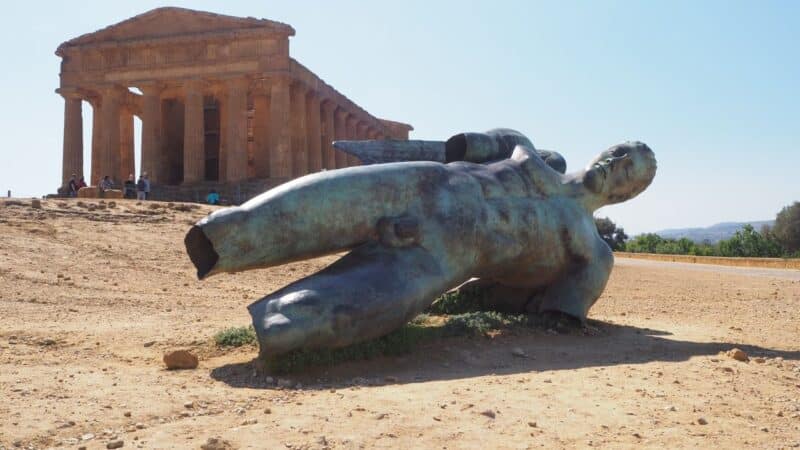
You can find remnants of its interesting past throughout and it’s well worth exploring some of the main historic sites, like the Valley of the Temples.
The process of Italian unification, known as the Risorgimento, began in the mid-19th century with the aim of uniting the numerous independent states and territories on the Italian Peninsula and nearby islands, including Sicily, into a single nation.
In 1860, the Expedition of the Thousand, led by Giuseppe Garibaldi, successfully captured Sicily from the Kingdom of Naples, paving the way for its annexation to the Kingdom of Sardinia.
On March 17, 1861, the Kingdom of Italy was officially proclaimed, and Sicily became an integral part of the newly unified country.
Since then, Sicily has remained an autonomous region within Italy, with its own regional government and administrative powers. It shares the same currency, legal system, and national institutions as the rest of Italy.
The island’s history, culture, and geographical location continue to contribute to the rich and diverse heritage of Italy as a whole.
Is Sicily In Europe?

Yes, Sicily is located in Europe. It is the largest island in the Mediterranean Sea and is part of the country of Italy.
Sicily is situated to the south of the Italian mainland and is separated from the mainland by the Strait of Messina. Geographically, Sicily is considered part of Southern Europe.
As we mentioned before, Sicily is an autonomous region of Italy and shares the same political, economic, and cultural context as the rest of the country. It is a significant part of European history and civilization, with a rich heritage that has been influenced by various civilizations and cultures throughout the ages.
Sicily’s strategic location in the Mediterranean has made it a crossroads of different civilizations and an important center of trade, culture, and historical exchange.
Sicily’s inclusion as part of Italy and its location in the Mediterranean region firmly place it within the continent of Europe.
Is Sicily A Country?
When you visit Sicily alongside other regions in Italy you would be forgiven for thinking it is a separate country. But no, Sicily is not a country. Sicily is an autonomous region of Italy. It is the largest island in the Mediterranean Sea and is located off the southern tip of the Italian mainland.
As an autonomous region, Sicily has its own regional government with certain legislative powers and administrative responsibilities.
Sicily became part of the Kingdom of Italy during the process of Italian unification in the 19th century. It has been an integral part of Italy since then, sharing the same currency, legal system, and national institutions as the rest of the country.
Sicilians are Italian citizens, and the island is represented in the Italian Parliament.
While Sicily has a distinct culture, history, and identity shaped by its diverse past and geographical location, it is not an independent country. It remains an essential part of Italy’s cultural and territorial landscape as one of the country’s autonomous regions.
The Capital Of Sicily

The capital of Sicily is Palermo. Palermo is the largest city on the island and serves as its administrative and cultural center.
It is located on the northern coast of Sicily and has a rich history that spans over 2,700 years. Throughout its history, Palermo has been influenced by various civilizations, including the Phoenicians, Romans, Arabs, Normans, and Spaniards, among others, which is reflected in its diverse architecture, art, and culture.
Today, Palermo is a bustling city known for its historic landmarks, vibrant markets, and delicious street food. Visitors to Palermo can explore iconic sites such as the Palermo Cathedral, the Norman Palace (Palazzo dei Normanni), the Teatro Massimo, and colourful street markets like the Vucciria and Ballarò.
As the capital of Sicily, Palermo plays a significant role in the island’s cultural, political, and economic life, making it a fascinating destination for travelers seeking to delve into Sicily’s rich history and contemporary charm.
Frequently Asked Questions
Where Is Sicily?
Sicily is an island located in the Mediterranean Sea. It is situated to the south of the Italian mainland and is separated from the mainland by the Strait of Messina. Geographically, Sicily is part of Southern Europe.
To give you a more precise idea of its location, Sicily is situated to the southwest of the Italian Peninsula and is separated from the mainland by a narrow strip of water, the Strait of Messina. It is the largest island in the Mediterranean and is surrounded by the Ionian Sea to the east, the Tyrrhenian Sea to the north, and the Mediterranean Sea to the south and west.
Sicily is an autonomous region of Italy and is one of the country’s 20 regions. Its strategic location in the Mediterranean has made it a crossroads of different civilizations throughout history and has influenced its rich cultural heritage.
What Separates Sicily From Italy?
Sicily is separated from the Italian mainland by the Strait of Messina. The Strait of Messina is a narrow strip of water that connects the Tyrrhenian Sea to the north with the Ionian Sea to the south. It is located between the northeastern tip of Sicily and the southern tip of the Italian Peninsula.
The width of the Strait of Messina varies, but at its narrowest point, it is approximately 3.1 kilometers (about 1.9 miles) wide. The strait is known for its strong currents and tides, making it an important maritime passage and a site of historical and cultural significance.
Several ferries and maritime transportation services operate between Sicily and the Italian mainland, facilitating the movement of people, goods, and vehicles across the strait. We haven’t actually been through the Messina Strait yet but it’s on our list!
The Strait of Messina is not only a physical boundary that separates Sicily from Italy but also a significant cultural and geographical divide that has influenced the distinct identities of both regions.
Are You Italian If You’re From Sicily?
Yes, if you are from Sicily, you are considered Italian. Sicily is an integral part of the country of Italy, and its residents are Italian citizens. Sicily became part of the Kingdom of Italy during the process of Italian unification in the 19th century, and it has remained part of Italy ever since.
As an autonomous region of Italy, Sicily has its own regional government with certain legislative powers and administrative responsibilities. However, its residents are Italian citizens and hold Italian passports. They share the same currency, legal system, and national institutions as the rest of the country.
While Sicily has a distinct culture, history, and identity shaped by its diverse past and geographical location, its people are considered Italians and are part of the broader Italian nationality.
We found the locals in Sicily quite different from our experiences with the locals in Italy. They were perhaps a little warmer and more welcoming, though this was likely due to the fact we weren’t based in a big city whereas when we visited Italy we usually were.
Sicily felt like a very safe place to visit, was well set up for tourism, and the locals were always friendly and helpful.
I guess like everywhere, when you live in the city there is less time for niceties!
What Is Sicily Known For?
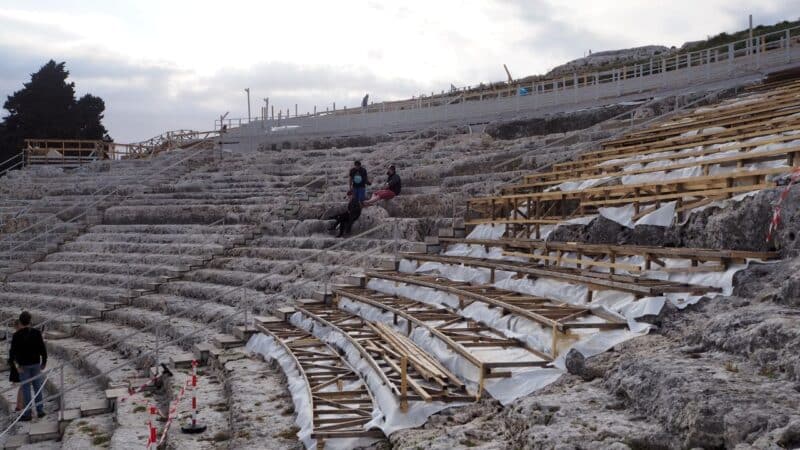
Sicily is known for its diverse range of cultural, historical, and natural attractions that have captivated visitors for centuries. Some of the prominent aspects for which Sicily is renowned, and some of our favourite attractions, include:
- Ancient Ruins: Sicily boasts a wealth of ancient ruins from various civilizations, including Greek temples in Agrigento, Selinunte, and Segesta, as well as Roman amphitheaters and mosaics in places like Syracuse and Piazza Armerina.
- Mount Etna: As one of the most active volcanoes in the world, Mount Etna dominates the Sicilian landscape. It is a popular destination for nature enthusiasts and offers breathtaking views from its summit.
- Historic Palermo: The capital city of Sicily, Palermo, is a treasure trove of history, architecture, and cultural heritage. The city’s iconic landmarks include the Palermo Cathedral, the Norman Palace, and the Teatro Massimo.
- Greek Theater of Taormina: The ancient Greek theater in Taormina is a well-preserved amphitheater with stunning views of the Ionian Sea and Mount Etna, making it one of Sicily’s most renowned archaeological sites.
- Sicilian Cuisine: Sicilian cuisine is celebrated for its unique flavors and use of fresh, local ingredients. Dishes such as arancini (stuffed rice balls), pasta alla Norma, and cannoli are just a few examples of the island’s delectable culinary offerings.
- Cultural Diversity: Throughout its history, Sicily has been influenced by various civilizations, including the Greeks, Romans, Arabs, Normans, and Spaniards, among others. This diverse cultural heritage is evident in its art, architecture, and traditions.
- Medieval Towns: Sicily is dotted with charming medieval towns, such as Erice, Ragusa Ibla, Cefalù, and Modica, with narrow cobblestone streets, historic buildings, and a captivating atmosphere.
- Stunning Beaches: Sicily boasts a coastline of beautiful beaches and crystal-clear waters. Beach destinations like San Vito Lo Capo, Mondello, and the Aeolian Islands are popular for their natural beauty and recreational activities. Where we stayed in Marina di Ragusa had a great beach just next to the town.
- Festivals and Celebrations: Sicily hosts a variety of vibrant festivals and religious celebrations throughout the year, providing a unique insight into its traditional culture and customs.
- Mosaics of Monreale: The Cathedral of Monreale is renowned for its intricate Byzantine mosaics that cover the walls and ceilings, showcasing a harmonious blend of Norman, Arab, and Byzantine art.
In summary, Sicily is celebrated for its historical landmarks, diverse cultural heritage, mouthwatering cuisine, and picturesque landscapes.
Its allure lies in its ability to offer a multifaceted experience that combines rich history, natural beauty, and warm hospitality, making it a captivating destination for travelers seeking a truly unforgettable adventure.
Is Sicily A City In Italy?

No, Sicily is not a city in Italy. Sicily is an autonomous region and the largest island in the Mediterranean Sea.
As an autonomous region, Sicily has its own regional government and administrative powers. It is one of the 20 regions of Italy, each with its own distinct cultural and historical characteristics.
The capital city of Sicily is Palermo, which is one of the major cities on the island. Palermo serves as the administrative and cultural center of Sicily, but Sicily itself is not a city. It is an island with a diverse range of cultural, historical, and natural attractions that make it a popular destination for travelers from around the world.
Conclusion: Is Sicily Part Of Italy?
So you can see, Sicily is a part of Italy! And a part of Europe. Hopefully this post clears up any questions you’ve had about Sicily and Italy. It certainly did for me!
But just because Sicily is part of Italy, that doesn’t mean you should skip it when visiting the area. Sicily is most definitely a tourist destination in itself and it has quite a different feel to Italy, I guess because it is really an island.
We absolutely loved our season in Sicily and living there really opened our eyes to the many things there are to see and do here.
If you’re questioning whether it’s worth visiting then we would say definitely, and make sure you visit the Valley of the Temples and the Turkish steps. Both places were real highlights for us. We hope you enjoy!
Why not check out some couple’s travel quotes for your social media feed after you’ve visited!?