Is Athens Worth Visiting In 2025
If you’re considering a trip to Greece, one question that might be on your mind is whether Athens is worth visiting. We had the same doubts.
We’re definitely more quiet island people and prefer a beach holiday to a city break, but something about Athens was calling to be explored. Perhaps we read one too many quotes about Greece that convinced us to book a trip to the country’s cultural capital.
As the capital city and a hub of history, culture, and vibrant urban life, Athens has much to offer to travelers. From its ancient landmarks to its bustling markets and modern amenities, the city presents a unique blend of past and present.
In this article, we will explore the reasons why Athens is worth visiting, delving into its historical significance, cultural attractions, affordability, and more.
Whether you’re an avid history buff, an architecture enthusiast, or simply seeking an immersive travel experience, Athens might just be the perfect destination for you. So, let’s dive in and discover why Athens deserves a spot on your travel itinerary. We’ll be going back one day for sure!

As an Amazon Associate, we earn from qualifying purchases. We also earn from other affiliate programs. This means we may receive a small commission on products purchased through our links at no extra cost to you.
Table of Contents
- Is Athens Worth Visiting?
- The Main Reasons To Visit Athens
- Reasons Not To Visit Athens
- Frequently Asked Questions
Is Athens Worth Visiting?
✔ Don’t forget your travel insurance! We use Safety Wing and highly recommend it. With insurance designed for frequent travelers and digital nomads, it ticks all the right boxes. ✔
Absolutely! Athens, the capital of Greece, is a city rich in history, culture, and landmarks. But we were pleased to find out that certainly isn’t all it has to offer.
Athens is a city with a lot of buzz. As well as a tonne of great cultural and historical attractions, the city has a fantastic nightlife and restaurant scene and it is always vibrant and interesting.
Here are some of the reasons we think Athens is worth visiting, but we’ll go into more detail below!
- Historical Significance: Athens is home to iconic historical sites such as the Acropolis, Parthenon, and Ancient Agora. These landmarks have great historical and cultural significance, attracting millions of tourists each year.
- Archaeological Sites: Apart from the Acropolis, Athens has several archaeological sites worth exploring, such as the Temple of Olympian Zeus, the Roman Agora, and the Theatre of Dionysus. These sites offer a glimpse into the ancient past of Greece.
- Museums: Athens has world-class museums like the Acropolis Museum, National Archaeological Museum, and Benaki Museum. These institutions house priceless artifacts and provide a deeper understanding of Greek history, art, and culture.
- Vibrant City Life: Athens is a bustling metropolis with a vibrant atmosphere. It offers a diverse range of experiences, from exploring historic neighborhoods like Plaka and Monastiraki to enjoying modern cafes, restaurants, and nightlife in areas like Kolonaki and Gazi.
- Greek Cuisine: Athens boasts a rich culinary scene, with numerous taverns and restaurants serving delicious Greek cuisine. From traditional dishes like moussaka and souvlaki to fresh seafood and Mediterranean flavors, food enthusiasts can indulge in a variety of gastronomic delights.
- Day Trips: Athens serves as a hub for exploring other parts of Greece. You can take day trips to destinations like Delphi, Corinth, or the nearby islands of Aegina and Hydra, offering a chance to experience the beauty of the Greek countryside and coastline.
Of course, there are also some downsides to Athens which we’ll also go into. But in our opinion, the positives of this city far outweigh the negatives!
The Main Reasons To Visit Athens

There are a million and one things we could list here, but we’ve tried to narrow it down so you don’t have to trawl through all our ramblings!
The History
Athens holds immense historical significance that captivates travelers from around the world. As the birthplace of Western civilization, this ancient city offers a profound journey through time.
Walking in the footsteps of great philosophers and statesmen, visitors can immerse themselves in the foundations of democracy and intellectual thought.
The majestic Acropolis, crowned by the iconic Parthenon, stands as a testament to Athens’ golden age and architectural brilliance. It’s here that the beauty of classical Greek art and the ideals of human achievement come to life.
You’ll get some fantastic views of the Parthenon from various points in the city but it’s definitely worth visiting close up.
✅ For a real treat book a hotel with Parthenon views.
Exploring the Acropolis Museum and the National Archaeological Museum will also give you an incredible insight into the past, as it unveils a treasure trove of artifacts.
Athens is a living museum, where its historic neighborhoods like Plaka and Monastiraki offer glimpses into ancient city life, with narrow streets, charming houses, and remnants of ancient monuments.
By wandering through these streets, travelers can truly appreciate the historical tapestry that Athens weaves, making it a must-visit destination for those seeking a deep understanding of Western civilization.
Whether history is your thing or not you can’t fail to be impressed by all Athens has to offer. We were blown away.
The Culture
Athens is a city brimming with cultural attractions. It doesn’t matter what you’re in to, Athens has it!
The city’s cultural scene is enriched by its world-class museums, showcasing the treasures of ancient Greece. The Acropolis Museum stands as a beacon of art and history, housing remarkable artifacts excavated from the Acropolis site.
From intricately carved statues to delicate pottery, the museum offers an immersive experience that brings ancient Greece to life.
The National Archaeological Museum is another must-visit, featuring an extensive collection that spans thousands of years, including stunning sculptures, jewelry, and archaeological finds.
Discover the Benaki Museum which offers a comprehensive overview of Greek culture from prehistoric times to the modern era. From Byzantine art to folk costumes and contemporary exhibits, this museum provides a cultural experience like no other.
Beyond the museums, Athens’ historical neighborhoods, such as Plaka and Monastiraki, exude a unique charm. Meandering through their labyrinthine streets, visitors encounter traditional houses, vibrant street art, quaint shops, and inviting tavernas.
These neighborhoods also serve as gateways to significant archaeological sites, like the Ancient Agora, where one can envision the bustling life of ancient Athens.
If theatre if your thing then why not experience the magic of a live performance at the Odeon of Herodes Atticus, a stunning ancient amphitheater located at the foot of the Acropolis. During the Athens Festival (summer months), you can enjoy concerts, plays, and dance performances in this remarkable setting.
If you appreciate classical music and performing arts, catch a concert or performance at the Athens Concert Hall. This modern venue hosts a variety of events, including symphony concerts, ballet performances, and theatrical productions.
Whether exploring the remnants of the Roman Agora or strolling along the grand promenade of Panathenaic Way, cultural enthusiasts will find Athens to be a treasure trove of art, history, and immersive experiences.
Architecture

Athens boasts a rich architectural heritage that reflects its long history and diverse influences. Here are some notable architectural highlights in Athens:
- Classical Greek Architecture: Athens is synonymous with classical Greek architecture. The Acropolis stands as a magnificent example of Doric and Ionic styles, with the Parthenon being the most iconic structure. Its harmonious proportions, intricate friezes, and columns represent the pinnacle of ancient Greek architectural achievements.
- Neoclassical Architecture: During the 19th century, Athens experienced a period of neoclassical revival, inspired by the classical Greek style. Structures such as the University of Athens, the Academy of Athens, and the National Library of Greece showcase this architectural style, characterized by grand facades, symmetrical designs, and ornate details.
- Byzantine Architecture: The influence of the Byzantine Empire can be seen in several churches and religious buildings in Athens. The Church of Panagia Kapnikarea, Church of Agios Eleftherios, and the Monastery of Daphni exhibit Byzantine architectural elements, including domes, mosaics, and intricate frescoes.
- Ottoman Architecture: The Ottoman Empire ruled over Athens for several centuries, leaving its mark on the city’s architecture. The Tzistarakis Mosque, the Fethiye Mosque, and the Hamza Bey Mosque showcase Ottoman architectural features like domes, minarets, and intricate tile work.
- Modern and Contemporary Architecture: In recent decades, Athens has seen the emergence of modern and contemporary architectural gems. The Stavros Niarchos Foundation Cultural Center, designed by Renzo Piano, is a notable example. Its striking design combines sustainable features, including a massive glass canopy, and houses the National Library of Greece and the Greek National Opera.
- Urban Revitalization Projects: Athens has also undergone urban revitalization projects in recent years, resulting in modern architectural additions to the cityscape. The Athens Olympic Sports Complex, constructed for the 2004 Summer Olympics, features impressive structures such as the Olympic Stadium and the Water Cube. The Onassis Cultural Centre and the New Acropolis Museum are other modern architectural landmarks that blend harmoniously with the city’s historical surroundings.
Exploring the architectural diversity of Athens allows visitors to appreciate the city’s evolution over time, from ancient Greek masterpieces to Byzantine, Ottoman, and modern architectural styles. The fusion of these architectural influences creates a unique and captivating urban environment in the Greek capital.
We were amazed by how different a lot of the buildings and structures were, and although we’re not usually into architecture or the history of buildings, we found learning about the melting pot of cultures really interesting here.
Affordability

Athens can be a relatively affordable destination for travelers, offering a range of budget-friendly options.
You can often find cheap flights from Europe to Athens with airlines like Ryan Air and Easy Jet. Athens airport is also a major hub, so you might find you need to stop over for a connecting flight making it the perfect time to steal away a night or two here.
Accomodation wise, there are always great deals to be found here. Athens provides a variety of accommodation options to suit different budgets. Alongside luxury hotels, there are numerous budget-friendly hotels, hostels, and guesthouses available, particularly in the central areas like Plaka and Monastiraki.
Additionally, the city offers options for apartment rentals and budget-friendly accommodations.
Athens is known for its affordable and delicious street food. You can find souvlaki, gyros, and other local specialties at reasonable prices from street vendors and small eateries.
Exploring the neighborhoods like Monastiraki and Psirri allows you to discover affordable tavernas and traditional Greek restaurants offering hearty meals at reasonable prices. Expect to pay around $5 for a gyros (meat, chips, salad and pitta) which is the typical Greek take away and will keep you full all day!
Athens has an extensive and affordable public transportation system. The metro, buses, and tram lines cover most areas of the city and offer cost-effective ways to get around. The Athens Integrated Ticket allows unlimited travel on different modes of transport, making it convenient and affordable for exploring the city.
Athens provides various discounts and special offers for tourists, especially during the off-peak seasons. Museums and archaeological sites often have reduced rates or free admission on specific days or for certain groups. It’s worth checking for any discounts or special promotions available during your visit.
Consider researching and comparing prices, taking advantage of discounts and deals, and planning your activities accordingly to make the most of your budget while enjoying all that Athens has to offer. If you visit during the winter months you’re even more likely to find great deals.
The Food
The food scene in Athens is exactly what you’d expect from a big city, varied and delicious!
Having been in Greece for 4 years now we always love going to cities where the food is a bit more varied, but if you’re only just arriving in Greece then you should make the most of the incredible local food on offer in Athens.
Traditional Greek Cuisine
Athens offers an abundance of traditional Greek dishes that showcase the country’s rich culinary heritage.
From mouthwatering souvlaki (grilled meat skewers) and gyro wraps filled with tender meat and flavorful toppings to moussaka (layered eggplant or potato dish), spanakopita (spinach pie), and dolmades (stuffed grape leaves), visitors can indulge in a variety of authentic Greek flavors.
Most people go crazy for gyros. Being vegetarians we can’t give a full review on these, but you can get a potatoes gyros instead which is basically just gyros without the meat and a little extra salad. They’re amazing.
Some places are also now offering vegetarian alternatives so look out for Quorn versions of the Greek classics. Or opt for a halloumi wrap instead!
Mezedes and Tavernas
Mezedes, the Greek version of small plates or tapas, are a popular way to experience a wide array of flavors.
Visit a traditional taverna and savor a variety of mezedes such as tzatziki (yogurt dip), fava (split pea puree), saganaki (fried cheese), and octopus in vinegar. Pair these with a glass of ouzo or local wine for a truly Greek dining experience.
If you have nothing else all holiday make sure you try the saganaki! It’s like a cross between halloumi and feta and it’s divine!
Seafood Delights
Being close to the coast, Athens is known for its fresh and flavorful seafood. Sample a selection of grilled fish, calamari, shrimp, or mussels, and experience the taste of the Mediterranean.
The coastal neighborhoods of Mikrolimano and Piraeus are particularly famous for their seafood tavernas.
Vibrant Street Food
Athens is a haven for street food enthusiasts. Head to Monastiraki or Psirri to savor delectable treats such as koulouri (sesame seed bread rings), loukoumades (fried dough balls with honey), and bougatsa (sweet or savory filo pastry).
Don’t miss trying a traditional Greek coffee or a frappé to accompany your street food adventure.
Local Markets
Immerse yourself in the vibrant atmosphere of Athens’ markets, such as the Central Market (Varvakios Agora). Explore stalls filled with fresh produce, aromatic spices, cheeses, and olives.
Engage with local vendors, sample their products, and even pick up ingredients for a picnic or a DIY Greek feast.
Modern Greek Cuisine
Athens has also embraced modern culinary trends, with a flourishing scene of innovative restaurants and fusion cuisine. These establishments offer a contemporary twist on traditional Greek dishes, combining local ingredients with international flavors.
Experience the creativity of Greek chefs through innovative dishes that celebrate the best of Greek gastronomy.
Sweet Temptations
End your meal on a sweet note with traditional Greek desserts. Indulge in creamy and rich desserts like baklava (layers of filo pastry with nuts and honey), galaktoboureko (semolina custard in filo pastry), or loukoumades (honey-soaked dough balls).
We find the Greek deserts a little too sweet compared to English deserts. The trick is to eat a very small portion and pair it with a Greek coffee (which is especially strong and bitter!) Some restaurants will bring out a complimentary sweet treat after your dinner.
Whether you’re seeking traditional flavors, tantalizing street food, or contemporary gastronomic experiences, Athens offers a culinary journey that caters to all tastes.
From humble tavernas to trendy eateries, the food in Athens celebrates Greece’s rich culinary heritage and will leave you craving more.
The Range Of Things To Do

There are so many different experiences you can have in Athens, and while you won’t want to fill your days with these (leave time to see all the famous sights too!) we strongly recommend you pick one or two.
These are the things you’ll really remember about your holiday, as they bring you closer to the local people that live here.
Gourmet Food Walking Tour in Athens
This is one of the most popular tours in Athens and we weren’t disappointed. But then we do love food! A lot.
The best thing about this food tour is that you’ll be taken to some really local places that you probably just wouldn’t come across as a tourist. All the food is absolutely delicious as you’d expect, but unlike some food tours you really do get a lot, so don’t eat beforehand or you’ll be stuffed!
Our guide really knew her stuff and was able to inform us of interesting facts and history about where each dish came from.
Basically, do this tour. It’s one of the best we’ve ever done!
Greek Cookery Course
Adam and I love taking cooking courses in other countries. It’s such a great way to learn about the food you’ll be eating on holiday, meet new people, and best of all you get to take those cooking skills home and share meals with family and friends. Kind of like a little souvenir!
This cookery course was great fun and we really recommend it. We had already been eating a lot of the things we learnt to make, so it was fascinating to see how they were done.
As vegetarians, everything was tailored slightly so we could learn how to cook the dishes without meat. Just make sure you let them know in advance if you have any dietary requirements.
The trip to the market was a fun extra, but the real treat was learning some Greek cooking techniques.
The only thing I would say is that this isn’t done in a traditional way. You’re sharing the food prep with others, so you don’t make each dish completely by yourself. It was actually quite cool doing it like this as you got to know other people and the teacher better, but it’s good to know before you book it!
✅ Book a Greek cookery course here
Reasons Not To Visit Athens
While Athens offers numerous attractions and cultural experiences, it’s important to consider the potential downsides that may discourage some travelers.
The Crowds
One common concern is the issue of crowds. Athens attracts a significant number of tourists, especially during the peak summer season, which can lead to overcrowding at popular sites and attractions.
The summer months, in particular, tend to be busier, with long queues and crowded streets making it harder to fully enjoy the city’s offerings.
The major archaeological sites, such as the Acropolis and the Ancient Agora, can get extremely crowded, especially during peak hours. Navigating through large crowds might limit the opportunity for a serene and immersive experience at these historical landmarks.
Certain areas in Athens, like the bustling Monastiraki and Plaka neighborhoods, can become crowded with tourists, street vendors, and local residents. While these areas offer a vibrant atmosphere, some travelers may prefer a quieter and more tranquil environment.
Athens’ public transportation system, including the metro and buses, can experience heavy congestion during peak hours. This can make commuting more challenging, with crowded trains and buses making it less comfortable to travel around the city.
Popular restaurants and tavernas in Athens may have long waiting times, particularly during busy periods. With a high demand from both locals and tourists, securing a table at sought-after establishments might require patience or advance reservations.
While the crowds can be a drawback, it’s worth noting that with careful planning and by exploring lesser-known sites or visiting during off-peak seasons, it is still possible to enjoy Athens without feeling overwhelmed by the crowds.
Additionally, seeking quieter areas or opting for guided tours that provide skip-the-line access can help mitigate the impact of crowded tourist spots.
The Heat

One of the potential downsides of visiting Athens is the heat, especially during the summer months.
Athens experiences hot summers, with temperatures often exceeding 30°C (86°F) and occasionally reaching even higher. The combination of high temperatures, direct sunlight, and limited shade in certain areas can make outdoor exploration and sightseeing more challenging, particularly for those who are sensitive to heat.
The heat in Athens can sometimes make it uncomfortable to walk around and engage in outdoor activities during the peak hours of the day. The intense sun and high temperatures may lead to fatigue, dehydration, and increased perspiration, requiring extra precautions to stay cool and hydrated.
The summer months, when the heat is most pronounced, also coincide with the peak tourist season in Athens. This means that popular sites and attractions may be crowded, and the combination of heat and crowds can further impact the overall comfort and enjoyment of visiting certain places.
The extreme heat may restrict the amount of time visitors can comfortably spend outdoors, particularly during the midday hours when the sun is at its strongest.
This may require adjusting your itinerary to prioritize early morning or late afternoon visits to outdoor attractions and reserving indoor activities for the hottest parts of the day.
To mitigate the effects of the heat in Athens, it’s recommended to take certain precautions:
- Stay hydrated by drinking plenty of water throughout the day.
- Wear lightweight, breathable clothing and a hat to protect yourself from the sun.
- Seek shade whenever possible or plan indoor activities during the hottest hours.
- Use sunscreen with a high SPF and reapply regularly.
- Consider visiting Athens during the shoulder seasons (spring or autumn) when temperatures are milder.
The Dirt
One of the concerns some travelers may have about Athens is the issue of cleanliness and the perception of dirt in certain areas.
Athens is a bustling city with a dense population and heavy traffic. The combination of urbanization and high footfall in certain areas can lead to litter and debris on the streets, particularly in crowded or touristy areas. This can create a perception of dirtiness in some parts of the city.
Athens has a vibrant street art scene, with colorful murals and graffiti adorning many walls and buildings. While some view this as an artistic expression that adds character to the city, others may perceive it as contributing to a sense of untidiness or urban decay.
Like any major city, waste management can be a challenge in Athens. Collection and disposal of waste, particularly in densely populated areas, can sometimes lead to overflowing bins or litter accumulation, especially during peak tourist periods.
It’s important to note that while these factors may be a concern for some travelers, Athens is a dynamic and diverse city with numerous attractions and cultural experiences to offer. Many areas are well-maintained, and efforts are being made to improve cleanliness throughout the city.
To mitigate the impact of the perceived dirtiness, visitors can consider the following:
- Focus on exploring cleaner and well-maintained neighborhoods, such as the historic Plaka district or areas around the Acropolis.
- Plan visits to popular attractions during off-peak hours when they may be less crowded and potentially cleaner.
- Be mindful of disposing of waste properly and avoid contributing to littering.
- Explore hidden gems and lesser-known areas of Athens that may be less crowded and offer a different perspective on the city.
The Petty Crime

While Athens is generally a safe city, like any urban destination, there can be instances of petty crime that travelers should be aware of, just as within any city.
Pickpocketing can occur in crowded tourist areas, public transportation, and busy markets. It’s important to stay vigilant and take precautions, such as keeping valuables secured, using a money belt or a secure bag, and avoiding displaying expensive items.
Bag snatching, where thieves attempt to grab bags or purses from pedestrians or restaurant patrons, can occur in busy areas. It’s advisable to keep bags close to the body, use bags with secure closures, and avoid leaving belongings unattended.
Some thieves may employ distraction techniques, such as engaging in conversation, offering assistance, or creating a commotion to divert attention while an accomplice attempts to steal personal belongings. Be cautious of such tactics and maintain awareness of your surroundings.
Leaving personal belongings unattended, even for a short time, can increase the risk of theft. It’s important to keep belongings within sight or use secure storage options when visiting attractions or public spaces.
As with any tourist destination, there may be instances of scams or fraud targeting unsuspecting visitors. Exercise caution when approached by strangers offering services or deals that seem too good to be true. Use reputable services and be aware of common travel scams.
To minimize the risk of falling victim to petty crime:
- Stay vigilant and be aware of your surroundings, particularly in crowded areas.
- Keep personal belongings secure and close to your body.
- Avoid displaying valuable items or large sums of cash in public.
- Use secure lockers or hotel safes for storing valuables.
- Stay informed about common scams and fraud schemes.
It’s worth noting that while there may be instances of petty crime, the majority of visitors to Athens have safe and enjoyable experiences.
Frequently Asked Questions
Here are some of your most asked questions answered!
Many Days Should You Spend In Athens?
The number of days you should spend in Athens largely depends on your interests, schedule, and the amount of time you have available for your trip. However, here are some factors to consider when determining how many days to spend in Athens:
- Main Attractions: To visit the main attractions of Athens, such as the Acropolis, the Parthenon, the Ancient Agora, and the National Archaeological Museum, a minimum of two to three days is recommended. This allows you to explore these iconic sites at a relaxed pace, take in their historical significance, and appreciate the architectural wonders.
- Museums and Cultural Experiences: Athens is home to numerous museums and cultural sites that offer insight into Greece’s rich history and culture. If you’re interested in exploring museums like the Acropolis Museum, the Benaki Museum, or the Museum of Cycladic Art, consider adding an extra day or two to your itinerary.
- Neighborhood Exploration: Athens has diverse neighborhoods worth exploring, each with its own unique character. The historic Plaka neighborhood, the vibrant Monastiraki area, and the trendy Koukaki district are just a few examples. Allocate some time to wander through these neighborhoods, visit local markets, and soak in the atmosphere.
- Day Trips and Excursions: Athens also serves as a convenient base for day trips to nearby destinations. If you’re interested in exploring places like Cape Sounion, Delphi, or the nearby islands of Aegina and Hydra, you’ll need to factor in additional days for these excursions.
- Personal Preferences: Consider your personal travel style and interests. If you enjoy a more leisurely pace and want to immerse yourself in the local culture, you may want to spend more time in Athens. On the other hand, if you have limited time or prefer a faster-paced trip, a shorter stay may suffice.
As a general guideline, a minimum of three to four days in Athens would allow you to experience the main attractions, get a taste of the city’s culture, and explore some of its neighborhoods. We thought 5 days was perfect.
If you have more time available, extending your stay to five to seven days or even longer will provide a more comprehensive experience and allow you to delve deeper into the city’s offerings.
Is It Worth Just Going To Athens?
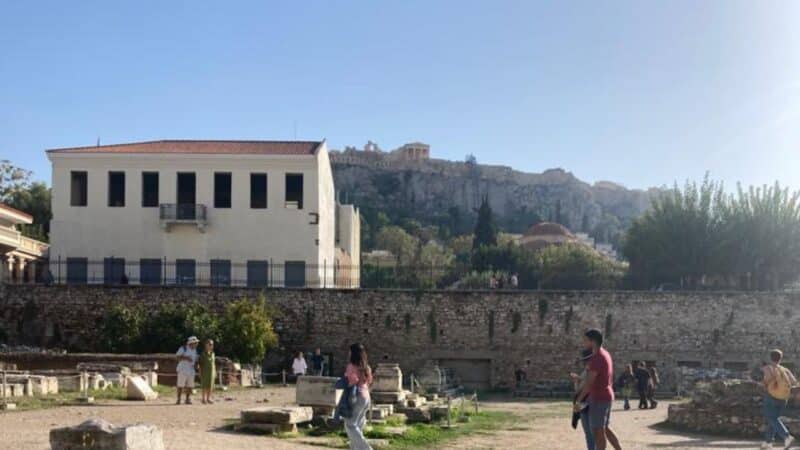
Absolutely! But it’s also worth seeing a different side of Greece if you can afford the time.
Greece is a super interesting country because of the amount of islands it has. Each island feels slightly different, so a visit to Greece can feel like travelling to several different countries.
Athens is absolutely fascinating and if you only have time for a city break then it’s well worth the trip here alone. You can always combine it with a day trip to some nearby islands if you don’t want to miss out on the island hopping experience.
But if you happen to have a few weeks to spend in Greece then you won’t be disappointed. Athens is really well connected to most of Greece so it’s easy to spend a few days exploring the capital before heading on to an island or two, or somewhere else on the mainland.
Is Athens Or Santorini Better?
Deciding whether Athens or Santorini is better depends on your personal preferences and what you are seeking from your trip. Here are some factors to consider when comparing the two destinations:
Athens:
- Historical and Cultural Significance: Athens is known for its rich history and archaeological sites, such as the Acropolis and the Parthenon. If you have a deep interest in ancient history, Greek mythology, and want to explore world-renowned museums, Athens offers a wealth of historical and cultural experiences.
- Urban Exploration: Athens is a vibrant and bustling city with a diverse range of neighborhoods, lively markets, and a thriving food scene. If you enjoy city life, street art, local cuisine, and a vibrant nightlife, Athens provides an energetic urban atmosphere.
- Convenient Transportation Hub: Athens serves as a transportation hub, making it easy to access other parts of Greece. It offers convenient connections to other islands and mainland destinations, allowing you to easily explore beyond the city.
Santorini:
- Stunning Natural Beauty: Santorini is famous for its breathtaking views, iconic white-washed buildings, and stunning sunsets. The island’s unique volcanic landscape, picturesque villages like Oia and Fira, and beautiful beaches create a romantic and visually captivating setting.
- Relaxation and Tranquility: Santorini is known for its laid-back atmosphere and the opportunity for relaxation. You can sunbathe on beautiful beaches, head off on a catamaran tour, explore charming villages, and indulge in luxurious accommodations with stunning views of the Aegean Sea.
- Romantic Getaway: Santorini is a popular destination for couples and honeymooners due to its romantic ambiance, panoramic vistas, and intimate settings. It offers a serene and idyllic escape for those seeking a romantic retreat. Spend 4 days in Santorini soaking up the romance.
Ultimately, the choice between Athens and Santorini depends on your travel preferences. If you have a strong interest in history, culture, and vibrant city life, Athens may be the better option.
On the other hand, if you prioritize natural beauty, relaxation, and a romantic atmosphere, Santorini may be the preferred choice. Find out how many days you need in Santorini.
You could also consider combining both destinations in your itinerary to experience the best of both worlds, with a mix of history, urban exploration, and picturesque island relaxation. This would be our choice!
Is Athens Worth Visiting In December?

Visiting Athens in December can be a unique and rewarding experience. We have friends who visited in the winter months and absolutely loved their time there. They enjoyed the fact it was quieter and cooler, and they were blessed with mostly sunny days.
Many people don’t consider December as one of the best times to visit Greece. It’s important to consider some factors before planning your trip. Here are a few points to help you decide if Athens is worth visiting in December:
- Weather: December is winter in Athens, and while it’s generally milder compared to many other European cities, it can still be relatively chilly with temperatures ranging from 8°C to 15°C (46°F to 59°F). If you enjoy cooler weather and don’t mind the possibility of rain, December can be a pleasant time to explore the city without the extreme heat of the summer months.
- Fewer Crowds: December is considered the low tourist season in Athens, which means fewer crowds compared to the peak summer months. This can be an advantage as you’ll have more space to explore popular attractions, visit museums, and experience the city’s cultural sites without the usual hustle and bustle.
- Festive Atmosphere: Athens embraces the holiday spirit in December with festive decorations, Christmas markets, and special events. The city comes alive with a cheerful ambiance, and you can enjoy the Greek traditions and celebrations during this time, including traditional foods and music.
- Lower Prices: As December is part of the low season, you can often find better deals on accommodations and flights compared to the peak summer months. This can make Athens a more affordable destination for budget-conscious travelers.
- Limited Outdoor Activities: It’s important to note that the winter weather may limit some outdoor activities and beach-related experiences in Athens. Swimming and sunbathing are not popular during this time, and some outdoor attractions may have shorter opening hours or be closed for renovations.
Despite the potential limitations, there are still plenty of indoor activities and cultural attractions to enjoy in Athens during December. You can explore the city’s museums, visit historical sites like the Acropolis and the Ancient Agora, indulge in Greek cuisine at cozy tavernas, and immerse yourself in the city’s festive atmosphere.
Overall, if you don’t mind cooler temperatures, enjoy a more relaxed pace, and appreciate the holiday spirit, visiting Athens in December can be worth it. It offers a chance to experience the city with fewer crowds, lower prices, and a unique festive ambiance.
We absolutely love Europe in December, and Athens is no exception.
Conclusion: Is Athens Worth Visiting?
In conclusion, Athens is definitely worth visiting for a variety of reasons and is well worth adding to any Greece itinerary. Its historical significance, cultural attractions, and architectural wonders make it a compelling destination for travelers interested in ancient history and Greek culture.
The city offers a wealth of historical sites, including the iconic Acropolis and Parthenon, as well as world-class museums that house priceless artifacts. The vibrant urban atmosphere, diverse neighborhoods, and lively markets add to the city’s charm, while the culinary scene provides a delightful gastronomic experience.
While Athens may have its drawbacks such as crowds during peak seasons and considerations like the heat and cleanliness in certain areas, these can be mitigated with proper planning and by exploring off-peak hours and hidden gems.
The city’s affordability compared to other European destinations is an advantage, allowing travelers to experience its rich history and culture without breaking the bank.
Whether you’re a history enthusiast, a lover of art and architecture, or simply looking to immerse yourself in a vibrant urban environment, Athens has much to offer. Its unique blend of ancient history, modern attractions, and warm Greek hospitality make it a destination that captures the hearts of many travelers.
So, if you’re seeking an enriching and memorable travel experience, Athens is definitely worth a visit.