
North Vs South Italy: Which Should You Visit 2025
Trying to decide bewteen north vs south Italy?
Italy is a country of rich cultural heritage, stunning landscapes, and delicious cuisine. However, it’s also a country of distinct regions, each with its own unique history, traditions, and attractions.
Two of the most popular regions for visitors are North and South Italy, each with their own charms and differences. We loved both areas of Italy. It would be very hard to choose a favourite. But there are some differences to take into account before you plan your trip.
In this blog post, we’ll explore the key differences between North and South Italy, from their economies and cultures to their food and landscapes. Learn about the things that Italy is known for in each region.
Whether you’re planning a trip to Italy or simply curious about the country’s regional differences, read on to discover the pros and cons of each region and what sets them apart.
As an Amazon Associate, we earn from qualifying purchases. We also earn from other affiliate programs. This means we may receive a small commission on products purchased through our links at no extra cost to you.
Table of Contents
- Northern Italy Vs Southern Italy: An Overview
- Why Is Northern Italy So Different From Southern Italy?
- The Weather In Northern Italy Vs Southern Italy
- Is The Food Different In Northern Italy Vs Southern Italy?
- Culture Comparison
- North Italy Vs South Italy: Costs
- The Best Beaches In Northern And Southern Italy
- Things To Do In North Italy Vs South Italy
- North Italy Vs South Italy: Iconic Attractions
- Famous Cities In Northern And Southern Italy
- A Vacation In Southern Italy
- The Best Things To Do In Southern Italy
- Top Tips For Travel In South Italy
- Pros And Cons
- A Vacation In Northern Italy
- The Best Things To Do In Northern Italy
- Top Tips For Travel In North Italy
- Pros And Cons
- Frequently Asked Questions
- Is North Italy Richer Than South
- Is Northern Or Southern Italy Cheaper?
- Why Are People Leaving Southern Italy?
- Which Coast Of Italy Is Better?
- Do You Prefer North Or South Italy?
Northern Italy Vs Southern Italy: An Overview

Italy is a beautiful country with a diverse landscape, rich history, and cultural heritage. There are significant differences between Northern and Southern Italy in terms of geography, climate, economy, culture, and lifestyle. Here’s a brief overview before we get stuck into more detail.
Northern Italy is home to some of the country’s largest and wealthiest cities, such as Milan, Turin, and Venice. It is also known for its picturesque lakes, including Lake Como and Lake Garda.
The region is bordered by the Alps, which provide breathtaking views and opportunities for winter sports. The climate in Northern Italy is generally milder than in the south, with hot summers and cold winters. The best time to visit Italy might change slightly depend on which region you’re visiting.
Southern Italy, on the other hand, is known for its rugged coastline, stunning beaches, and ancient ruins. Cities such as Naples and Palermo offer a glimpse into the country’s rich history and cultural heritage. The region has a warm Mediterranean climate, with hot summers and mild winters.
Economically, Northern Italy is considered the powerhouse of the country, with a strong manufacturing industry, including fashion, automotive, and aerospace. The region is also known for its cuisine, which includes pasta, risotto, and polenta, and wines such as Barolo and Chianti.
Southern Italy, on the other hand, is more agriculturally focused, with industries such as fishing, olive oil production, and wine-making. The region’s cuisine is also distinct, with dishes such as pizza, seafood pasta, and caponata.
In terms of lifestyle and culture, Northern Italy is generally considered more reserved and formal, while Southern Italy is more relaxed and laid-back. Family and community are essential in both regions, but family ties tend to be stronger in the south. Obviously these aren’t set in stone, but this is the general stereotype.
Overall, both Northern and Southern Italy have their unique charms and attractions, and it’s worth exploring both regions to appreciate their distinct differences and similarities.
Why Is Northern Italy So Different From Southern Italy?
The differences between Northern Italy and Southern Italy can be attributed to various factors, including geography, history, and culture.
The geography of Northern and Southern Italy is very different. Northern Italy is characterized by the Alps, which have created a natural barrier and isolated the region from the rest of the country for many centuries.
The region has more fertile lands and water resources, which has allowed it to develop a strong agricultural and industrial economy.
Southern Italy, on the other hand, has a more rugged terrain, a Mediterranean coastline, and a warm climate, which has contributed to its focus on agriculture, fishing, and tourism.
The history of Italy has also played a significant role in shaping the differences between the north and south. For many centuries, Italy was divided into different city-states and kingdoms, each with its own culture, language, and traditions.
The northern regions were influenced by the Roman Empire, which brought Latin culture and language to the area.
In contrast, Southern Italy was influenced by Greek and Byzantine cultures, which have had a lasting impact on its language, traditions, and cuisine.
Additionally, the south was invaded by different foreign powers, including the Normans, Spanish, and French, which contributed to the region’s diverse cultural heritage.
Northern and Southern Italy have distinct cultural identities. Northern Italy is generally more industrialized and economically prosperous, with a focus on fashion, design, and technology. The people in the north tend to be more reserved and formal, with a strong emphasis on education and work.
In contrast, Southern Italy is known for its relaxed and laid-back lifestyle, with a greater emphasis on family, community, and hospitality. The south has a rich artistic and cultural heritage, with a focus on music, theater, and festivals.
In conclusion, the differences between Northern Italy and Southern Italy are multifaceted and have been shaped by various factors over the course of history.
The Weather In Northern Italy Vs Southern Italy

The weather in Northern Italy and Southern Italy differs slightly due to their different geography and climatic zones. Northern Italy has a continental climate, while Southern Italy has a Mediterranean climate.
Northern Italy has colder winters and milder summers compared to Southern Italy. The region is affected by cold winds from the Alps, and in the winter months, snowfall is common in the mountainous regions.
The summer months in Northern Italy are generally warm and pleasant, with temperatures ranging from 20°C to 30°C (68°F to 86°F).
Southern Italy, on the other hand, has a mild and wet winter season, with temperatures ranging from 8°C to 16°C (46°F to 61°F). Summers in Southern Italy are hot and dry, with temperatures ranging from 25°C to 35°C (77°F to 95°F). The region also experiences high humidity levels during the summer months.
Coastal areas in both Northern and Southern Italy experience a Mediterranean climate, with mild, wet winters and hot, dry summers. The coastal areas of Northern Italy, such as the Ligurian coast and the Venetian coast, have milder temperatures compared to the inland regions.
In conclusion, Northern Italy has a continental climate, characterized by colder winters and milder summers, while Southern Italy hasmore of a Mediterranean climate, with mild, wet winters and hot, dry summers.
Coastal areas in both regions have milder temperatures and are influenced by the Mediterranean climate.
As a tourist, you probably won’t notice too much of a difference unless you travel from the mountains to the south coast during the winter time.
Is The Food Different In Northern Italy Vs Southern Italy?
The food in Northern Italy and Southern Italy is different, with each region having its own unique culinary traditions and specialties.
Because both are popular tourist destinations you’ll also find tradition ‘Italian’ cuisine in both regions, and obviously the usual western dishes thrown in for good measure!
Northern Italian cuisine is known for its hearty dishes and rich flavors. The region is famous for its pasta dishes, including tagliatelle, tortellini, and risotto.
It is also known for its meat-based dishes, such as ossobuco (braised veal shanks), cotoletta alla milanese (breaded veal cutlets), and bollito misto (mixed boiled meats).
Northern Italy is also home to some of the country’s most famous cheeses, including Parmigiano-Reggiano, Gorgonzola, and Grana Padano.
In contrast, Southern Italian cuisine is characterized by its use of fresh ingredients and simple, bold flavors. The region is famous for its pizza, seafood dishes, and pasta dishes, such as spaghetti alle vongole (spaghetti with clams) and orecchiette alle cime di rapa (pasta with turnip greens).
Southern Italy is also known for its use of herbs and spices, such as basil, oregano, and chili pepper, which add a distinctive flavor to its dishes.
Some of the most famous dishes from Southern Italy include caponata (a sweet and sour eggplant dish), parmigiana di melanzane (eggplant parmesan), and arancini (deep-fried rice balls filled with cheese or meat).
In conclusion, the food in Northern Italy and Southern Italy differs significantly, with each region having its own unique culinary traditions and specialties. Both regions offer a wide variety of delicious dishes that are worth exploring and experiencing.
Culture Comparison
The cultures of Northern and Southern Italy have distinct differences, shaped by history, geography, and traditions.
As a tourist there are some differences you probably won’t notice (we couldn’t tell any difference in language and accent for example) but there are other differences that might stand out.
Here are some key cultural differences between the two regions:
- Language: Italian is the official language throughout Italy, but there are regional dialects that vary across the country. Northern Italy is more heavily influenced by the Latin-based Italian language, while Southern Italy’s dialects are influenced by Greek, Arabic, and other languages.
- Food: Northern Italian cuisine is known for its rich flavors and heavy use of butter, cream, and cheese. Southern Italian cuisine, on the other hand, is known for its fresh ingredients and bold, simple flavors. Southern Italy’s cuisine is heavily influenced by the Mediterranean diet, with a focus on seafood, vegetables, and olive oil.
- Religion: Northern Italy is historically Catholic, but the region has a more secular culture compared to Southern Italy. Southern Italy has a strong Catholic influence, and religious traditions play a significant role in daily life.
- Family values: Family is highly valued in both Northern and Southern Italy, but the role of the family is more prominent in Southern Italy. The extended family is often close-knit and plays a large role in social life, while in the north, the nuclear family is more common.
- Art and architecture: Northern Italy is home to some of the world’s most famous Renaissance art and architecture, including the works of Leonardo da Vinci, Michelangelo, and Palladio. Southern Italy has a rich architectural and artistic heritage, with examples of Baroque architecture and ancient Greek and Roman ruins. You can see the differences if you’re on the lookout!
- Work culture: Northern Italy has a strong work ethic and is known for its industrial and technological advancements. In contrast, Southern Italy has a more relaxed and laid-back work culture, with a focus on leisure and hospitality.
In conclusion, Northern and Southern Italy have distinct cultural identities, shaped by geography, history, traditions, and values. Understanding these cultural differences can help you appreciate the unique charms and attractions of each region.
It’s not quite like stepping into a different country, but the differences are there and cool to experience.
North Italy Vs South Italy: Costs
As a tourist you probably won’t notice much of a difference between prices in the north and south of Italy, though you might notice you can find slightly better deals in areas of southern Italy.
As usual, you can expect to pay more for accommodation and food in the big cities and tourist hotspots. If you’re skiing, you will find a price hike over the winter months and during the summer you might find the coast more expensive.
The cost of living in Northern Italy and Southern Italy varies due to differences in economic development, lifestyle, and cost of goods and services. Here are some general differences in costs between the two regions:
- Housing: Housing prices in Northern Italy are generally higher than in Southern Italy, particularly in large cities like Milan and Turin. In Southern Italy, you can generally find more affordable housing options, especially in smaller towns and rural areas.
- Transportation: Transportation costs in Northern Italy are generally higher than in Southern Italy. Public transportation options are more extensive and expensive in Northern Italy, while Southern Italy is more car-centric and has lower fuel costs.
- Food and drink: Food and drink costs can vary depending on the type of cuisine and location. Northern Italy has more expensive restaurants and is known for its higher-end culinary experiences. In contrast, Southern Italy has more affordable and casual dining options, such as street food and family-owned restaurants.
- Entertainment: The cost of entertainment can vary widely between Northern and Southern Italy. Northern Italy has a more developed arts and cultural scene, with many museums, galleries, and theaters, but the cost of admission to these venues can be high. Southern Italy has more affordable entertainment options, such as beaches, outdoor markets, and festivals.
- Income and taxes: Northern Italy is generally more prosperous than Southern Italy, with higher average incomes and higher taxes to fund public services. Southern Italy has a lower cost of living, but also lower average incomes and a higher unemployment rate.
In conclusion, the cost of living in Northern Italy is generally higher than in Southern Italy, but there are significant variations depending on location, lifestyle, and individual circumstances.
It is important to research and compare costs carefully before making any decisions on where to live or visit.
The Best Beaches In Northern And Southern Italy
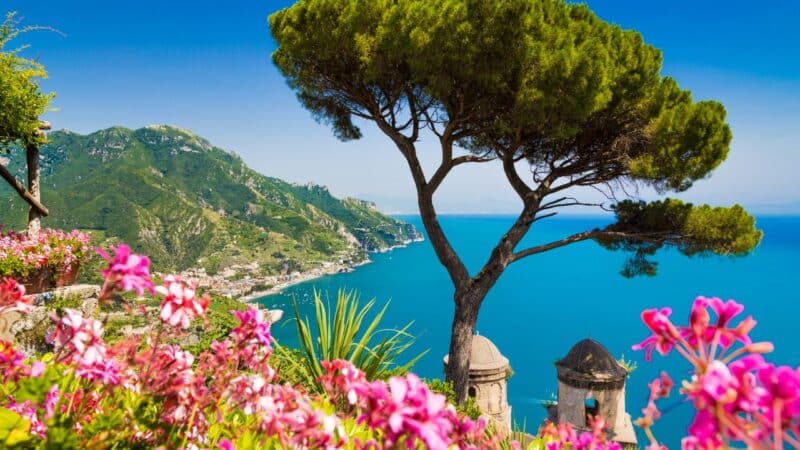
Although we always think of the cities and culture in Italy (mainly art and Pizza where Adam is concerned!) Italy is also known for its beautiful beaches that attract tourists from all over the world.
Here are some of the best beaches in northern and southern Italy, though these are also the most popular and crowded during the summer:
Northern Italy:
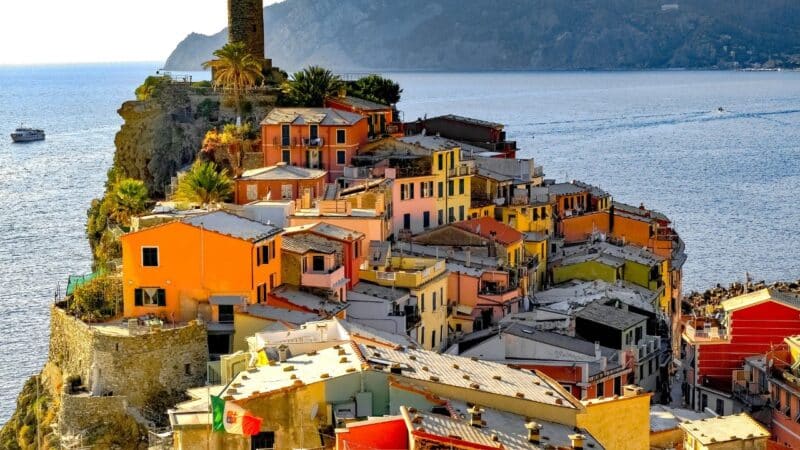
- Cinque Terre Beaches: Cinque Terre is a national park and a UNESCO World Heritage Site located on the Italian Riviera. The area has five picturesque villages and several beautiful beaches such as Monterosso al Mare, Vernazza, and Riomaggiore.
- Sestri Levante Beach: Sestri Levante is a beautiful town located in the Liguria region of Italy. Its beach, the Bay of Silence, is a beautiful crescent-shaped beach that is perfect for swimming and sunbathing.
- Baia dei Saraceni: Baia dei Saraceni is a beautiful beach located in Varigotti, a small village in the Liguria region. It is surrounded by cliffs and crystal clear water.
Southern Italy:
- Tropea Beach: Tropea is a beautiful town located on the west coast of Calabria. Its beach is surrounded by cliffs and has crystal clear water that is perfect for swimming and snorkeling.
- Spiaggia dei Conigli: Spiaggia dei Conigli is a beautiful beach located on the island of Lampedusa in Sicily. It is often ranked as one of the most beautiful beaches in the world due to its crystal clear water and soft white sand.
- Baia delle Zagare: Baia delle Zagare is a beautiful beach located in the Gargano National Park in Puglia. It is surrounded by cliffs and has crystal clear water that is perfect for swimming and snorkeling.
Things To Do In North Vs South Italy
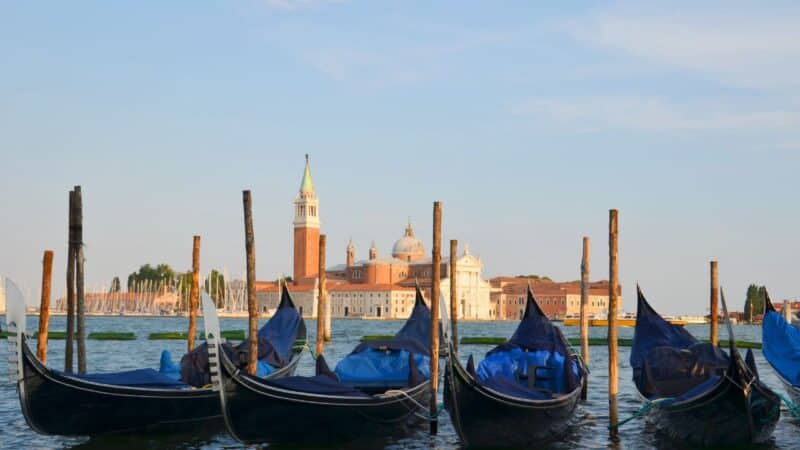
North Italy and South Italy are both beautiful regions of the country, each with their unique culture, cuisine, and attractions. Here are some things to do in each region:
North Italy
Visit Venice
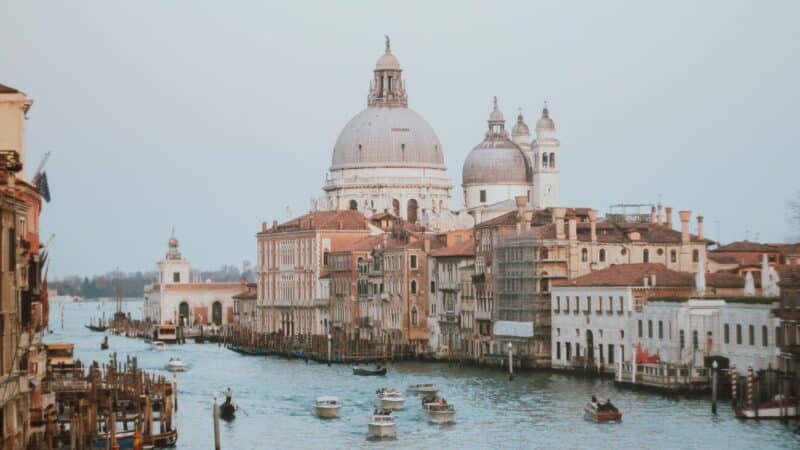
Explore the canals of Venice and experience the romance of the city. See famous landmarks such as St. Mark’s Basilica and the Doge’s Palace. Venice is definitely worth visiting at least once in your lifetime. It’s a unique place with a charm like nowhere else.
Book onto the best rated gondola ride in Venice
Ski in the Alps
The Italian Alps offer world-class skiing and snowboarding resorts, such as Cortina d’Ampezzo and Val Gardena.
Visit Milan
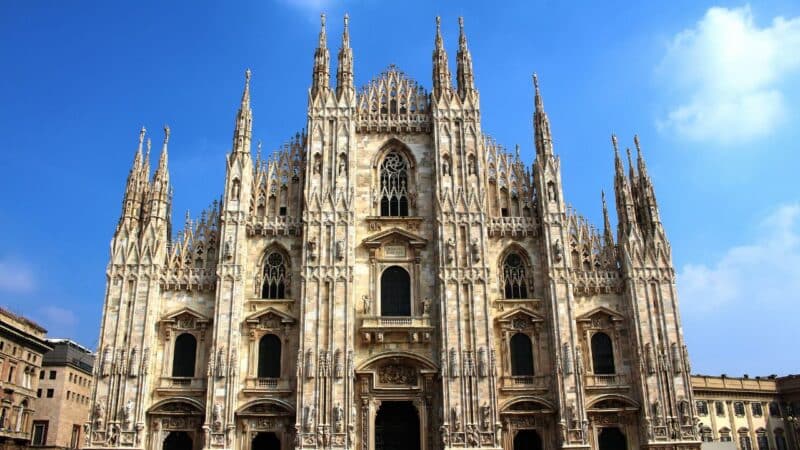
See the fashion capital of Italy and visit famous attractions such as the Duomo di Milano and the Galleria Vittorio Emanuele II. Milan is an incredible city to visit and we can highly recommend a trip here.
Wine tasting in Piedmont
Piedmont is known for its world-renowned wines, such as Barolo and Barbaresco. Take a tour of the vineyards and taste some of the best wines Italy has to offer.
Book a Barolo and Barbaresco wine tasting session
South Italy
Visit Pompeii
Explore the ancient ruins of Pompeii and see how life was like before the eruption of Mount Vesuvius. The best jumping off point for a day trip to Pompeii is from Naples.
Eat pizza in Naples
Naples is the birthplace of pizza, and there’s no better place to try authentic Neapolitan pizza. Even better, learn how to make your own from the masters!
Book this top rated pizza making course in Naples
Explore the Amalfi Coast
The Amalfi Coast is one of the most beautiful coastlines in the world. Visit picturesque towns such as Positano and Ravello.
Visit Matera
Matera is a UNESCO World Heritage site and is famous for its ancient cave dwellings, which have been turned into luxury hotels and restaurants.
This tour is top rated and likely to sell out
Both regions offer beautiful countryside, historic landmarks, and delicious cuisine, making Italy a must-visit destination for any traveler.
North Italy Vs South Italy: Iconic Attractions
North Italy and South Italy each have their own unique and iconic attractions that draw visitors from all over the world. Here are some of the most iconic attractions in each region:
North Italy
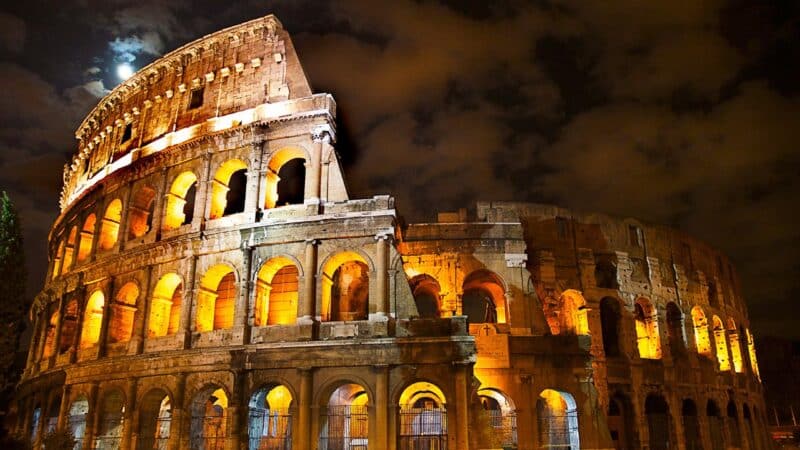
The Colosseum in Rome: This iconic symbol of ancient Rome is a must-visit attraction when in North Italy. It’s the largest amphitheater ever built and is still standing after nearly 2,000 years.
Make sure to book these skip the line tickets to avoid crazy queues
The Leaning Tower of Pisa: The Leaning Tower of Pisa is one of the most famous landmarks in Italy. It’s a freestanding bell tower in the city of Pisa, and its unique angle has made it a popular tourist attraction for decades.
The Canals of Venice: The city of Venice is known for its intricate system of canals, which make up the primary transportation network for the city. Visitors can take a gondola ride to see the city from a unique perspective.
South Italy
The Amalfi Coast: The Amalfi Coast is one of the most beautiful coastlines in the world. Its picturesque towns and colorful buildings set against the cliffs make it a popular destination for tourists.
The ruins of Pompeii: Pompeii is an ancient city that was buried under ash and pumice after the eruption of Mount Vesuvius in 79 AD. Today, visitors can explore the ruins and learn about life in ancient Rome.
Book this top-rated tour of Pompeii (likely to sell out)
The Trulli of Alberobello: The town of Alberobello is known for its unique cone-shaped houses called trulli, which are made of local stone and have been designated a UNESCO World Heritage Site.
Famous Cities In Northern And Southern Italy
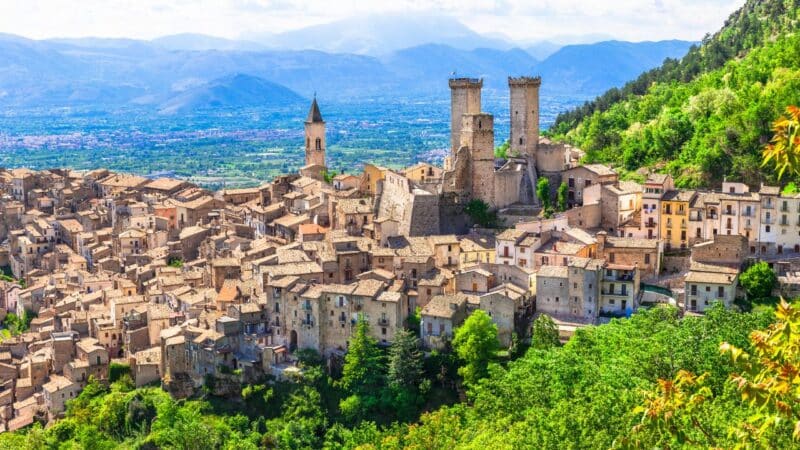
Northern and Southern Italy are two distinct regions of Italy, each with its own unique culture, traditions, and famous cities.
You might be wondering why Rome doesn’t make either list. This is because it sits basically on the line between north and south Italy, and many consider it part of central Italy and neither north or south!
Here are some of the most famous cities in each region:
Northern Italy
- Milan: Milan is the capital of the Lombardy region and is one of the world’s fashion capitals. It’s famous for its high-end shopping, historic architecture, and art scene.
- Venice: Venice is a unique city built on water, known for its romantic canals, ornate bridges, and historic landmarks such as St. Mark’s Basilica.
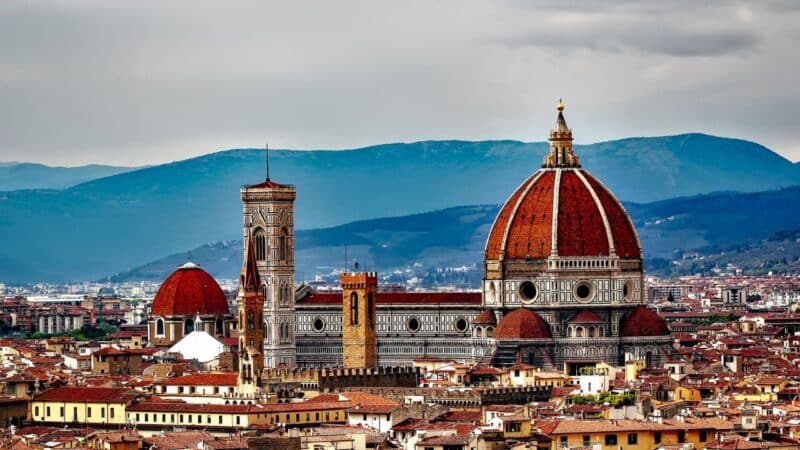
- Florence: Florence is the capital of Tuscany and is famous for its Renaissance art and architecture. Visitors can see famous works such as Michelangelo’s David and Brunelleschi’s Dome. Why not visit Florence in February for Valentine’s Day?
- Verona: Verona is the setting of Shakespeare’s Romeo and Juliet and is famous for its romantic atmosphere, historic architecture, and stunning views.
Southern Italy
- Naples: Naples is the capital of the Campania region and is known for its pizza, historic landmarks such as Pompeii, and its vibrant street life.
- Bari: Bari is the capital of the Apulia region and is known for its stunning old town, historic landmarks, and beautiful beaches.
- Palermo: Palermo is the capital of Sicily and is known for its rich history and culture, unique architecture, and delicious cuisine.
A Vacation In Southern Italy
If this post has convinced you that southern Italy is for you, then read on to find out more about the best things to do there and some top tips for travel in this area.
The Best Things To Do In Southern Italy

Southern Italy is a beautiful region with many attractions and activities to offer for a great vacation. Here are some of the best things to do while on vacation in Southern Italy:
Visit Pompeii: Pompeii is a fascinating archaeological site, a well-preserved ancient Roman city destroyed by the eruption of Mount Vesuvius in 79 AD. It’s a UNESCO World Heritage Site and a must-see attraction when visiting Southern Italy.
Explore the Amalfi Coast: The Amalfi Coast is one of the most beautiful coastlines in the world. It’s famous for its picturesque towns, colorful buildings, and stunning views of the sea. Take a boat ride along the coast for something really special, hike the trails, or relax on the beaches.
Taste the local cuisine: Southern Italy is famous for its delicious cuisine, including pizza, pasta, seafood, and wines. Try the traditional dishes of the region, such as spaghetti alla puttanesca, caponata, and cannoli. Take a street food tour in Naples with a local to really delve into the southern cuisine.
Visit the historic cities: Southern Italy has many historic cities with stunning architecture and landmarks. Visit Naples, the birthplace of pizza and one of the oldest cities in Europe, or Matera, a UNESCO World Heritage Site and a city of ancient cave dwellings where this tour is highly recommended.
Relax on the beaches: Southern Italy has some of the most beautiful beaches in the world. Head to the beaches of the Ionian and Tyrrhenian Seas, such as Tropea, Capri, or Positano, for sunbathing, swimming, and snorkeling.
Take a cooking class: Learn to cook traditional Southern Italian dishes by taking a cooking class. There are many cooking schools and private chefs who offer classes in the region. This pizza making class in Naples is always in high demand for good reason!
Southern Italy has so much to offer for a memorable vacation. Its beautiful landscapes, historic cities, delicious cuisine, and warm hospitality make it an ideal destination for travelers.
Top Tips For Travel In South Italy
If you’re planning to travel to Southern Italy, here are some top tips to make the most of your trip:
- Plan your trip in advance: Southern Italy is a popular destination, especially during the summer months. Plan your trip well in advance to ensure you get the best deals on flights, accommodation, and tours.
- Learn some basic Italian: While many people in Southern Italy speak English, it’s always helpful to learn some basic Italian phrases to help you navigate your way around and interact with locals. If you know Spanish then there are a few similarities.
- Be aware of pickpockets: Southern Italy, like many tourist destinations, has its share of pickpockets. Be aware of your surroundings, keep your valuables close to you, and avoid carrying large amounts of cash.
- Dress appropriately: Southern Italy can get hot and humid, especially during the summer months. Dress in light, comfortable clothing, and bring a hat and sunscreen to protect yourself from the sun.
- Try the local cuisine: Southern Italy is famous for its delicious cuisine, so make sure to try the local specialties such as pizza, pasta, seafood, and gelato.
- Be prepared for siesta time: Many shops and restaurants in Southern Italy close during siesta time, which usually takes place between 1 pm and 4 pm. Plan your activities accordingly and make sure to have snacks and water with you.
- Rent a car: While public transportation is available in Southern Italy, renting a car gives you more flexibility and allows you to explore the region at your own pace. We always use Rental Cars.
- Respect local customs: Southern Italy is known for its warm hospitality, but it’s important to respect local customs and traditions. Dress appropriately when visiting religious sites, and be mindful of local customs when interacting with locals.
By following these tips, you can have a safe and enjoyable trip to Southern Italy and create unforgettable memories.
Pros And Cons
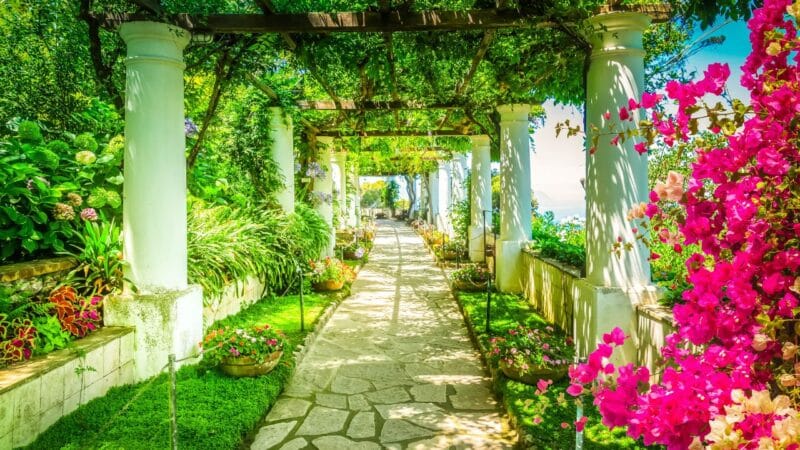
As with any vacation you’re going to find pros and cons for visiting southern Italy. These are some of the things we loved, and some of the things we didn’t enjoy so much!
Pros to holidaying in south Italy:
Southern Italy is known for its stunning landscapes, including the Amalfi Coast, Mount Vesuvius, and the islands of Sicily and Sardinia. We found the scenery here breathtaking and this was a definite highlight.
We loved the food here. Southern Italian cuisine is famous for its fresh ingredients, flavorful dishes, and pizza and pasta.
Southern Italy is home to many historic sites and cultural attractions, including Pompeii, Matera, and the Greek temples of Paestum. It’s hard to squeeze in all the best sites, but we highly recommend Pompeii as a minimum.
We found the people in southern Italy to be warm and generous. Southern Italians are known for their friendly and welcoming nature, making visitors feel at home and this was the experience we had too.
The beaches here were a real highlight. Southern Italy has some of the most beautiful beaches in Europe, with crystal clear waters, white sand, and stunning views.
Cons of a vacation in Southern Italy:
Southern Italy can get crowded, especially during the peak tourist season, making it difficult to get around and find accommodation. If you visit during the summer make sure you book in advance and consider splashing out on skip the line tickets for major attractions.
Southern Italy can get very hot and humid, especially during the summer months, which can be uncomfortable for some travelers.
While many people in Southern Italy speak English, some areas can be more challenging to navigate if you don’t speak Italian. Adam speaks fluent Spanish and we could often muddle our way through on this!
Public transportation in Southern Italy can be unreliable, so we would recommend you rent a car to get around unless you’re only staying in a main city.
Southern Italy has a reputation for petty crime, such as pickpocketing, so travelers should be mindful of their belongings and surroundings. We didn’t experience any of this.
Overall, a vacation in Southern Italy can be an incredible experience, with beautiful scenery, delicious food, and rich history and culture. However, it’s important to be aware of the potential challenges, such as crowds, language barriers, and transportation, to plan accordingly and have a safe and enjoyable trip.
A Vacation In Northern Italy
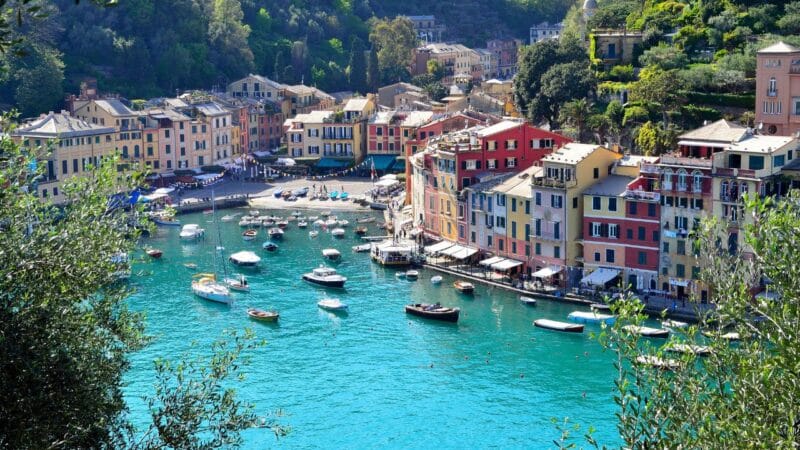
If this post has convinced you that northern Italy is for you, then read on to find out more about the best things to do there and some top tips for travel in this area.
The Best Things To Do In Northern Italy
Northern Italy is a stunning region of the country, full of history, culture, and natural beauty. Here are some of the best things to do in Northern Italy:
Explore the canals of Venice: The floating city of Venice is one of the most popular tourist destinations in Italy. Take a gondola ride through the winding canals, visit the iconic St. Mark’s Square, and marvel at the stunning architecture.
Admire the art in Florence: The birthplace of the Renaissance, Florence is a must-visit for art lovers. See masterpieces by Michelangelo, Botticelli, and other famous artists at the Uffizi Gallery, and marvel at the stunning architecture of the Duomo.
Visit Lake Como: This picturesque lake is surrounded by mountains and dotted with charming towns. Take a boat tour to see the stunning villas along the shore, or go hiking in the surrounding hills.
Sample the food and wine in Emilia-Romagna: This region is known for its delicious cuisine, including parmesan cheese, balsamic vinegar, and prosciutto. Visit the city of Bologna for some of the best food in Italy, and explore the vineyards of the nearby hills.
See the medieval city of Siena: This well-preserved city is full of narrow streets and stunning architecture. Visit the Piazza del Campo, the Palazzo Pubblico, and the stunning Siena Cathedral.
Ski in the Italian Alps: Northern Italy is home to some of the best ski resorts in Europe, including the famous resort of Cortina d’Ampezzo. Hit the slopes in the winter months and enjoy stunning views of the mountains.
Visit the fashion capital of Milan: Milan is known for its fashion and design, but it also has a rich history and culture. Visit the stunning Duomo, see Leonardo da Vinci’s famous Last Supper, and explore the trendy Navigli district.
Discover the beauty of the Cinque Terre: This stunning coastal region is known for its colorful towns perched on rocky cliffs. Hike along the stunning trails that connect the towns and enjoy the breathtaking views of the Ligurian Sea.
These are just a few of the many amazing things to do in Northern Italy. Whether you’re interested in history, culture, food, or natural beauty, this region has something for everyone.
Top Tips For Travel In North Italy
If you’re planning to travel in Northern Italy, here are some top tips to help make your trip a success:
- Plan ahead: Northern Italy is a popular tourist destination, so it’s important to plan ahead to avoid crowds and ensure that you can visit the attractions you want to see. Book tickets for popular attractions in advance, and try to visit during the off-season if possible.
- Be prepared for the weather: Northern Italy can be quite cold and rainy in the winter months, so be sure to pack warm clothes and a raincoat. Summers can be hot and humid, so bring lightweight clothes and sunscreen.
- Get off the beaten path: While the popular tourist destinations like Venice and Florence are certainly worth visiting, don’t be afraid to explore some of the lesser-known towns and villages in Northern Italy. You may discover hidden gems that few tourists ever see.
- Try the local cuisine: Northern Italy is known for its delicious food, including pizza, pasta, gelato, and wine. Be sure to sample the local cuisine at traditional restaurants, street food stands, and local markets.
- Learn a bit of Italian: While many people in Northern Italy speak English, it’s always helpful to learn a few basic Italian phrases to help you navigate the country and communicate with locals.
- Use public transportation: Northern Italy has a great public transportation system, including trains and buses that can take you to most destinations in the region. It’s often more convenient and cost-effective than renting a car.
- Be respectful of local customs: Northern Italy has a rich cultural history, and it’s important to be respectful of local customs and traditions. Dress modestly when visiting churches and other religious sites, and be mindful of noise levels in residential areas.
Pros And Cons
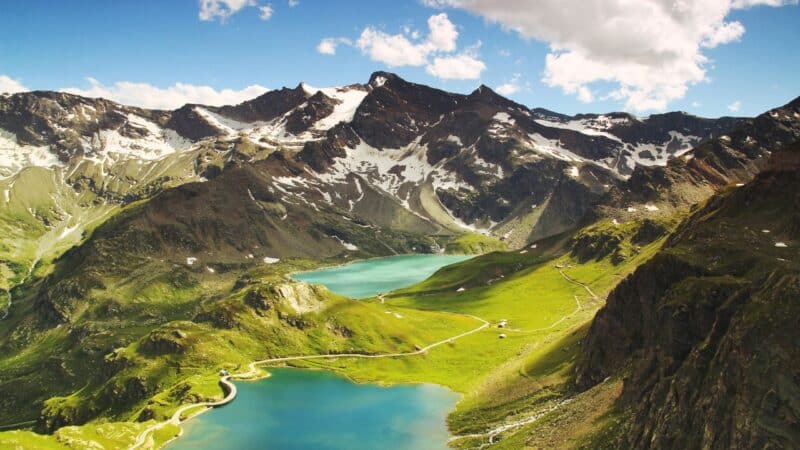
Taking a vacation in Northern Italy has many pros and cons, depending on your preferences and travel style. Here are some of the main advantages and disadvantages to consider:
Pros:
Northern Italy is home to some of the world’s most iconic cultural landmarks, including the canals of Venice, the art of Florence, and the fashion capital of Milan. When you think of Italy you’re probably imagining some of the cities in northern Italy.
Northern Italy is known for its delicious food and wine, with many regional specialties to try, such as pasta, pizza, gelato, and wine. We could definitely taste a difference between southern and northern cuisine.
Northern Italy is home to stunning natural landscapes, including the Italian Alps, Lake Como, and the Cinque Terre. The mountains really made it for us.
Northern Italy is well-connected to other European countries, making it easy to explore other destinations during your trip. Why not plan a European road trip?
Northern Italy has an efficient public transportation system, including trains, buses, and ferries, making it easy to get around without a car.
Cons:
As with south Italy, northern Italy is a popular tourist destination, which can lead to crowds and long lines at popular attractions, especially during peak season.
Traveling in Northern Italy can be more expensive than in the south, especially in cities like Venice and Florence, where accommodation and dining options can be pricey.
While many people in Northern Italy speak English, there may be language barriers in smaller towns and rural areas.
Northern Italy can be quite cold and rainy in the winter months, which may not be ideal for some travelers. But then you can always head to the mountains instead where the rain is more likely to be snow!
Like many tourist destinations, pickpocketing can be a problem in Northern Italy, especially in crowded areas like train stations and markets.
We love north Italy and can’t wait to go back!
Frequently Asked Questions
Some of your most popular questions answered!
Is North Italy Richer Than South
Northern Italy is generally considered to be richer and more developed than the south. The north has a higher GDP per capita and a stronger economy overall, driven by industries such as manufacturing, finance, and tourism.
The region is home to major cities like Milan, Turin, and Venice, which are centers of industry, commerce, and culture.
In contrast, the south of Italy has historically been poorer and more rural, with a weaker economy and higher rates of unemployment. The region has also struggled with political instability and organized crime, which has hindered development and investment.
However, it’s worth noting that Italy is a highly diverse country with many regional differences, and there are certainly wealthy areas in the south as well as poorer areas in the north.
Additionally, economic indicators like GDP per capita don’t necessarily reflect the quality of life or overall prosperity of a region. They almost certainly won’t effect your experience as a tourist.
Is Northern Or Southern Italy Cheaper?
Generally speaking, Southern Italy is considered to be cheaper than Northern Italy. This is largely due to the fact that the cost of living is lower in the south, and many goods and services are less expensive.
For example, housing, transportation, and food are often less expensive in the south. Additionally, the south has a strong agricultural sector, which can lead to lower prices for local produce and wine.
That being said, there are certainly exceptions to this generalization, and the cost of living can vary widely depending on the specific location and type of accommodation or activity you choose.
For example, some coastal areas in Southern Italy can be quite expensive due to high demand during the summer months.
In any case, it’s always a good idea to research the specific costs of your trip ahead of time to get a sense of how much you can expect to spend, and to budget accordingly.
Why Are People Leaving Southern Italy?
People are leaving Southern Italy for a variety of reasons, including:
- Lack of job opportunities: The economy in the south of Italy is weaker than in the north, with higher unemployment rates and fewer job opportunities. Many young people are leaving the region in search of better employment prospects.
- Political corruption: Southern Italy has a reputation for political corruption and organized crime, which can create a challenging environment for businesses and discourage investment.
- Demographic changes: The population of Southern Italy is aging, with fewer young people and more retirees. This can lead to a shrinking labor force and a decrease in economic activity.
- Environmental challenges: Southern Italy is prone to natural disasters, such as earthquakes and floods, which can damage infrastructure and disrupt daily life.
- Poor infrastructure: The infrastructure in the south of Italy is often less developed than in the north, with limited access to public transportation and other services. This can make it difficult for people to access education, healthcare, and other essential resources.
Overall, the combination of economic, social, and environmental factors has led many people to leave Southern Italy in search of better opportunities elsewhere.
This trend has contributed to a demographic shift in the region, which could have long-term implications for its economy and social fabric.
Which Coast Of Italy Is Better?
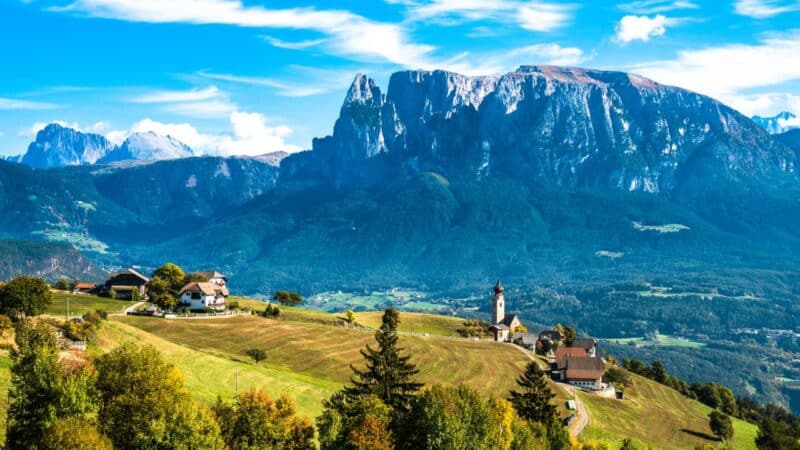
It’s difficult to say which coast of Italy is better as it largely depends on personal preferences and the type of experience you’re looking for. We love both!
Both the west and east coasts of Italy offer beautiful scenery, delicious food and wine, and a rich cultural heritage.
The west coast of Italy is known for its stunning Amalfi Coast, with its steep cliffs, turquoise waters, and colorful villages. It’s also home to the beautiful island of Capri, the historic city of Naples, and the ruins of Pompeii.
On the other hand, the east coast of Italy boasts beautiful cities such as Venice and Trieste, as well as stunning coastal towns like Portofino and Cinque Terre. The region is also known for its beautiful beaches, including the popular resort town of Rimini.
Both coasts offer unique experiences and attractions, and it ultimately depends on your personal preferences and interests.
If you’re looking for picturesque seaside towns and stunning natural beauty, the Amalfi Coast on the west coast may be the better choice.
If you’re more interested in historic cities, charming coastal towns, and beautiful beaches, the east coast may be more up your alley.
Conclusion: North Vs South Italy
In conclusion, North and South Italy are two distinct regions with their own unique cultures, histories, and landscapes. While Northern Italy is generally considered more prosperous and developed than the South, both regions offer their own charms and attractions for visitors.
The North of Italy is home to vibrant cities like Milan and Venice, as well as beautiful lakes, mountains, and wine regions. The South of Italy, on the other hand, boasts stunning coastlines, ancient ruins, and a rich culinary tradition.
When it comes to choosing between North and South Italy, it ultimately depends on your personal preferences and interests.
If you’re interested in exploring historic cities and regions, as well as experiencing the best of Italian fashion and design, then the North might be the better choice for you. If you’re more interested in soaking up the sun and indulging in delicious food and wine, then the South of Italy might be more up your alley.
Regardless of which region you choose, Italy is a country that offers something for everyone, from stunning landscapes to rich cultural experiences. So, whether you decide to explore the North or the South, you’re sure to have an unforgettable trip full of unforgettable experiences.