
Are We Homeless?
“No home? No address. No address? No bank account. No bank account? No job. No job? No home…”
Adam and I sing along to the lyrics like it’s our favourite song, but you’ll be surprised to hear this is not the latest hit by Jay Z. It is in fact an advert to help stop homelessness, that Spotify serves Adam and I on repeat whenever we tune into this popular music server.
We find it hard to believe that such a big company doesn’t accept a variety of ads, and can only conclude that we don’t fit any other demographic. The hopeful side of me wants to believe that Spotify simply recognises Adam and I as kind and giving souls, serving us this ad to prompt us to give generously to homelessness. But the more realistic side of me knows Spotify has identified Adam and I as, if not homeless quite yet, then very close to it!
And what’s to say they aren’t correct?
I’m still a member of the Facebook group for the town I grew up in. I enjoy the moving stories about dogs lost and found, the passive-aggressive posts about parking that have replaced notes on cars, the heart-warming stories of thanks to helpful members of the community. It’s the modern form of curtain-twitching, and I’m not ashamed to say I love it.
Recently a controversial post about the traveller community that comes and goes from the town got me thinking. I’m no expert at all, so I’ve done a little research, but if I’ve got any of this wrong then I would love to be further educated in the comments section below or send me an email.
The citizens advice bureau against race discrimination states that ‘the travelling community is a term used to describe people with a nomadic lifestyle, known usually as Gypsies and Travellers.’ A nomadic lifestyle. Someone who roams. Someone without a fixed address.
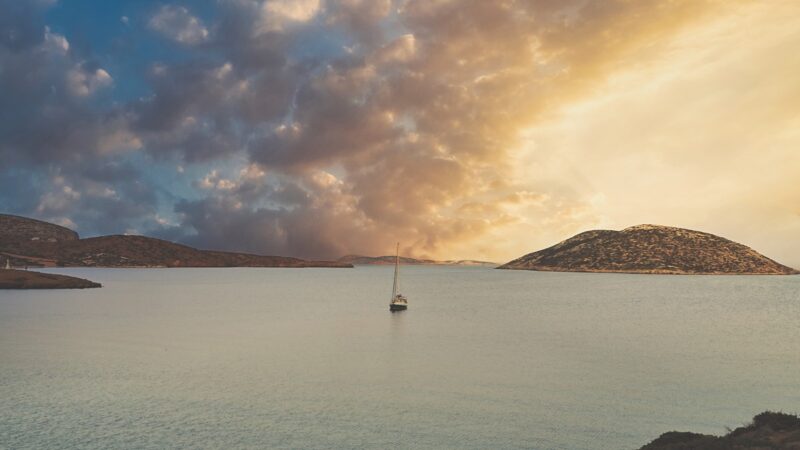
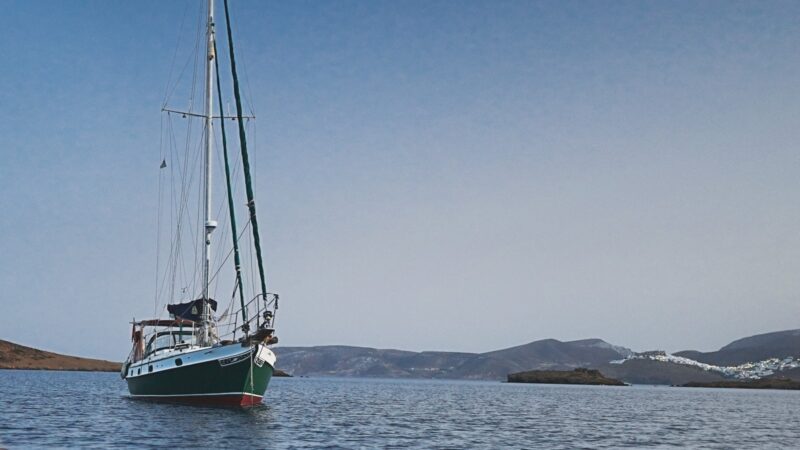
Not once during this time I’ve spent living on a sailboat, roaming from island to island and town to town, have I even considered that there could be any negative impact on the towns I choose to visit on this adventure.
In fact, I’d go so far as to say that I’ve always hoped we positively impacted the places we visited through spending money in local stores or taking part in beach clean-ups. But the more I delve into this subject, the more thorny it gets.
People back at home are cross at the field of mess left every time the travellers depart. Personally, I can see why. If you witnessed someone driving up to a public green space, taking several bin bags of rubbish from their car and emptying the contents in the middle of the field I imagine you’d be pretty annoyed.
It is seemingly thoughtless and careless, the act of someone who doesn’t live in the town and therefore doesn’t care what it looks like or how it is left for the people that do. It is surely purely selfish behaviour.

As Adam and I row the dinghy to shore, pull it up onto a beach full of people and lug several bags of trash to the big bins on the roadside I begin to feel vaguely uncomfortable. This has been a routine of ours since we started this life two years ago, and Greece as a country has been nothing but accommodating.
We have taken for granted our ability to do this. Locals often help us out by pointing out the nearest bins, no one complains at our dinghy taking up space on the public beach, no one turns their nose up at us walking past them with a week’s worth of waste.
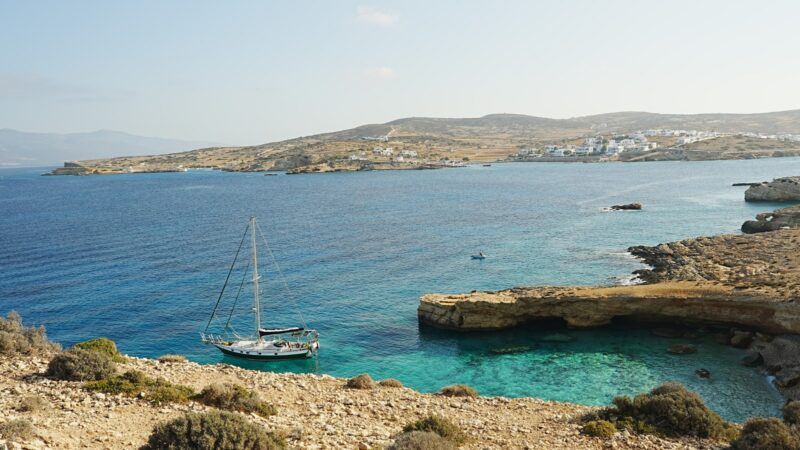
We pay Greece £30 a month to be here on our sailboat. In the UK you couldn’t find a campsite for a night that would charge that little. We anchor in their sheltered bays, we moor (often for free) on their town quays, we use our nasty diesel engine in their seas, frequently fill their bins with our litter, and catch huge amounts of fish in their waters. Ok, that last one is a complete lie but you get the idea.
We are guests in their towns and on their islands and we are treated as such – with huge amounts of generosity and with open arms. We’ve not once considered a world where our lifestyle choices aren’t fascinating and aspirational to those living on land – or mildly amusing and entertaining at worst! But would this be the case if we decided to take our alternative lifestyle to the UK?
As of May 2021, the average house price in the UK is £254,624. Property prices have risen by 0.9% compared to the previous month, and risen by 10.0% compared to the previous year. According to data from the Office for National Statistics, the average house in March 2021 cost more than 65 times the average UK home in January 1970, but average weekly wages were only 35.8 times higher.
On the average monthly wage, around £2000 after tax and NI in March 2021, it would take more than 10 years to buy the average UK property outright. So if you’re lucky enough to find a job that pays the average weekly wage (bear in mind that a newly qualified teacher who has studied and paid university fees for 4 years will earn £5000 less than the average wage a year), and you’re also lucky enough to spend literally NOTHING on staying alive, then you can forget securing yourself a home to live in for a good many years.
When you look at these figures you can understand why most young adults have given up on the normal and expected ways of doing things.
This is the simplified reason that Adam decided to follow a different house hunting path. He, like many others, hated the idea of paying off someone else’s mortgage to live in a less than well-kept house just so he could be within reasonable distance of his job in London.
Instead, he bought a boat and lived on the river Thames. Not the easiest life, but it was warmth and shelter he could afford and close enough to work that he wasn’t spending every last penny on his train fare.
When you decide to take the plunge and live the life less travelled there are inevitable problems. Adam found that even though he wanted to pay council tax, he wasn’t allowed as he didn’t have a fixed address. His boat was not considered a home.
To be fair, when I first met Adam I didn’t consider his boat a home either, but I’m led to believe that before he started renovating it, it was a fully functional ‘house’, probably bigger in fact than anything he could afford to rent in London!
As he didn’t have a ‘home’ and he wasn’t paying council tax, he had no access to bins. Without access to bins, well, what do you do with the rubbish? I guess the easiest solution is to dump it in the middle of a field and leave.

“No home? No address. No address? No bank account. No bank account? No job. No job? No home…”
Adam, in the eyes of the government, was homeless. And access to bins is just one of the many, many problems that having no fixed address causes.
I’m not saying dumping rubbish is the right or acceptable approach, or that Adam did this! But it is an interesting problem, making a life on the road nuanced and complicated. It turns an alternative lifestyle, an attempt to live within your means, seeking a life of adventure or whatever you want to call it, into a life that’s potentially harming the very places you’re keen to enjoy and explore.
As travellers, gypsies, digital nomads or adventurers what responsibilities do we have? And what, if any, responsibilities do the places that we visit have?
I found this very difficult to answer.
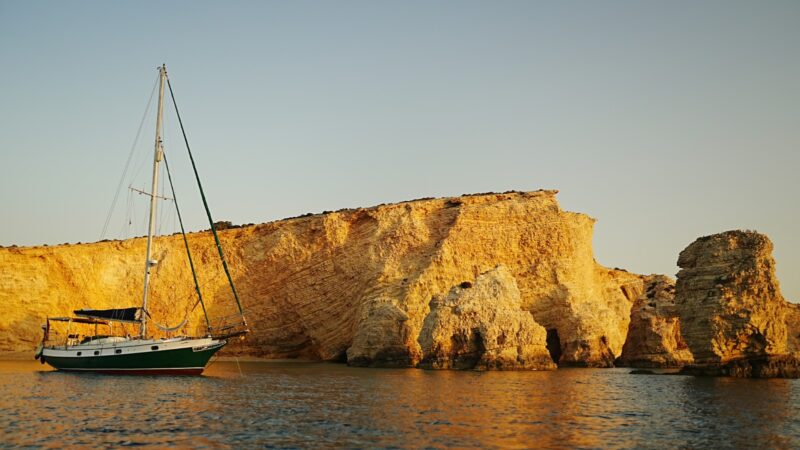
When we live on land we are surrounded by a community, and we choose how much to give of our time and skills and how much we want to take. There are those who participate enthusiastically in the day to day life of the village or town that they live in, engaging in fund raising events for local services, litter picking or running clubs.
There are others who choose to help their close neighbours and others who choose to keep themselves to themselves. Sometimes, people choose to live in a way that their neighbours or the town don’t agree with.
This community behaviour benefits everyone that wants to take advantage of it. There are services on offer for all – children, job seekers, new mums and dads, people in need, the elderly. You have a community of people available to help you, all of who share a commonality – the area in which you live.
This was highlighted spectacularly in recent times, when communities banded together more than ever to help those living closest to them.
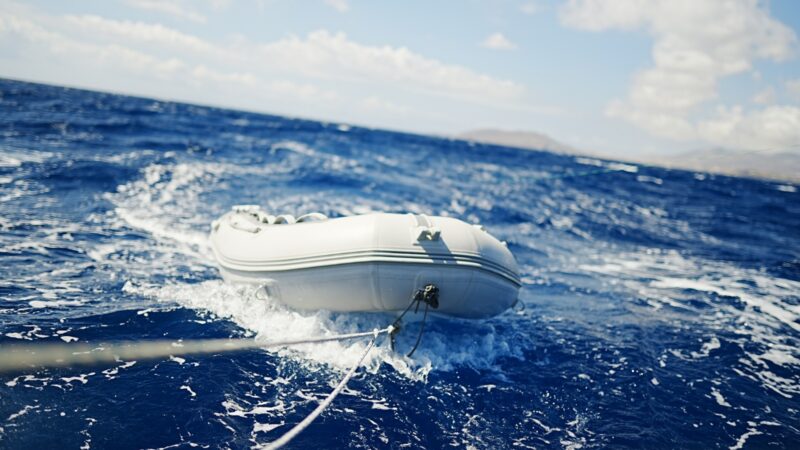
What about the people just breezing through – the nomads, gypsies, cruisers? In times past, perhaps these people came to entertain in travelling bands, or came to trade. They had something to offer. But nowadays these people turn up, using land that isn’t theirs to park their vans or boats, and then leave again having offered no value to the community whatsoever and yet taking the services offered to them.
We talk a lot about the ‘sailing community’, and it’s one I’m proud to be a part of. It’s a community of people that Adam and I have found to be more friendly, welcoming, generous and helpful than any I was a part of on land.
But helping the sailors we meet on the sea isn’t helping those communities we visit on land, just as I’m sure the travellers who left trash in the field of my home town didn’t leave litter in their friends camper van.
It is obvious that as visitors we should be respectful of the people and land we are exploring. But is it enough to have common courtesy and to have simply spent a little money in the areas we visit, or should we be looking to provide something more in exchange for the welcome we receive?
If there were regularly emptied bins in the field, would people mind so much if someone camped out there from time to time? Is it the negative impact that promotes the negative feelings, or the lack of positive impact that people take against?
And what kind of welcome should we expect as nomads? Should we be given access to basic services such as bins, with the understanding that in turn we will do everything possible to act responsibly? Should we be befriended by the communities we are guests in so that we want to stay longer, and integrate just that little bit more into their societies?
As you can tell, I am none the wiser for writing this. In fact, I am even more confused than when I started! So rather than try to come to some kind of conclusion I would love to know your thoughts on this, as both travellers of the world and those who have settled in communities.
No matter how you feel, I know you’ll keep it respectful!
I open up the debate to you…should we be trying to make nomadic lifestyles easier and more accessible within our communities or not? Are Adam and I living interesting, adventurous lives or simply leeching off the resources of functioning communities? Let us know your thoughts in the comments below!


A fascinating article, lots of things I’d never thought about before, food for thought as they say
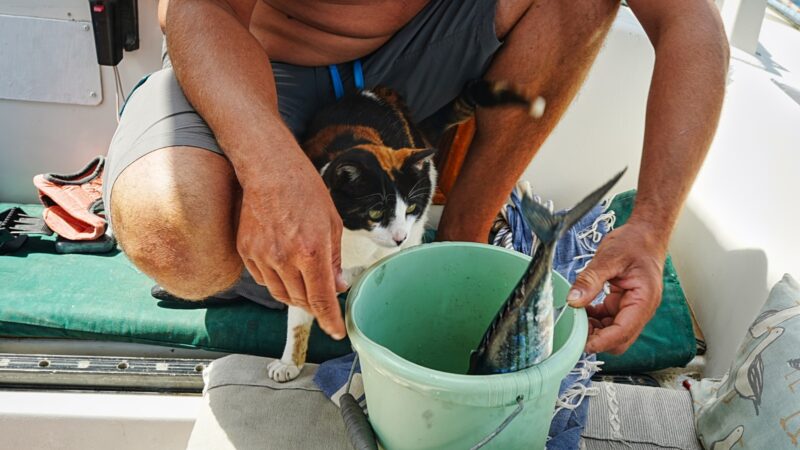
When us homeless couple and a cat seek shelter will you be providing it?! That’s the real question!!
Definitely not homeless just nomadic. We choose to live onboard too. The address issue in UK is tricky, I use a family address but that’s not ideal. We pay €113 per month in Greece for our cruising tax (as we are a slightly bigger boat even though we are just 2 people and 1 dog onboard). I have to say that this is the first country I don’t feel guilty walking up the beach with a bin bag because that money each month, I think, more than covers some rubbish disposal. We have been known to do beach clean ups in Spain and then found ourselves filling individual litter bins as no big bins were available to dispose of all the rubbish. I know we are visitors in all of these countries, some make you feel a lot more welcome than others. Talking of traveler sites in UK we also have a big dog which also raises eyebrows in certain areas. I guess we are in a very similar situation.
I think you’re right, paying towards the right to cruise in a certain country does make it better, like you’re actually contributing to your right to ‘live’ there, however brief. I might feel differently if we used marinas a lot or ate out, but as we’re trying to live as cheaply as possible I’ve started to wonder if that’s really fair. It’s an interest debate I think!
Even in the countries who doesn’t charge a cruising tax, I’ve always felt welcome and most people are friendly and curious about how it is to live on a boat.
You have some relevant points that I haven’t reflected about before. Maybe we should encourage each other in the sailing community to try and give something back for each destination we visit?
Pleased you’ve had the same positive experience as us. I hope sailors continue to be welcomed this way for years to come – it’s one of the wonderful things about this way of life!
Thanks you just introduced me to cruising taxes, I wasn’t aware of them. Added to my plan!
Each country has slightly different rules so it’s worth joining a Facebook group like sailing the Med and searching for the answers before you enter. Or buying a cruising guide if you’re happy to pay the money! Also worth having the cruising guide for local laws about things like where you can leave a dinghy, or how far from the shore you can anchor. It isn’t always clear from charts!
Interesting article.