Is Tanzania Safe To Visit In 2025?
Wondering is Tanzania safe to visit? We had the same concerns before our trip of a lifetime, but it turns out we didn’t need to.
Tanzania is a beautiful country located in East Africa, known for its stunning natural landscapes, rich cultural heritage, and warm hospitality.
Whether you’re exploring the Serengeti National Park, climbing Mount Kilimanjaro, or immersing yourself in local culture and traditions, Tanzania offers a unique and unforgettable travel experience.
However, many travelers may wonder if Tanzania is safe, particularly given its location in a region known for political instability and security concerns.
While Tanzania does have some safety concerns, particularly in urban areas, the country is generally considered safe for visitors who take common-sense safety precautions and stay informed of local events.
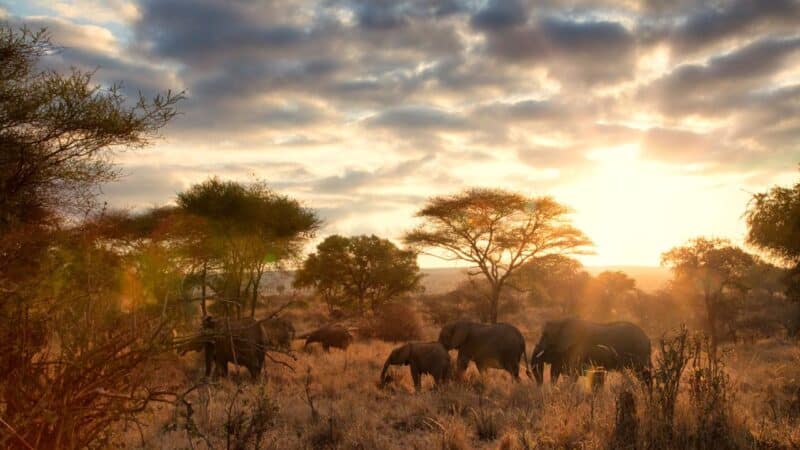
Honestly, it sounds ridiculous to admit now but I was most worried about the wildlife. Being trampled by an elephant or eaten by a lion on safari. The wildlife you find in Tanzania is so different from what you find in the UK that I guess it’s normal to be a little apprehensive.
In this blog post, we’ll explore the question “Is Tanzania safe?” in-depth, covering topics such as crime, natural disasters, wildlife, and travel safety tips.
We’ll look at the most common safety concerns for visitors to Tanzania, as well as practical advice for staying safe and enjoying a memorable trip to this amazing country.
Whether you’re a seasoned traveler or planning your first trip to Tanzania, this post will provide you with valuable information and insights to help you make informed decisions and have a safe and enjoyable journey.
As an Amazon Associate, we earn from qualifying purchases. We also earn from other affiliate programs. This means we may receive a small commission on products purchased through our links at no extra cost to you.
Table of Contents
Is Tanzania Safe?

Tanzania, like any other country, has its own set of safety concerns and risks. However, in general, Tanzania is considered a relatively safe country to visit or live in and we certainly never felt unsafe during our trip.
The majority of visitors to Tanzania have a trouble-free stay, with the most common issues being petty crimes such as pickpocketing and theft.
Travelers should always exercise caution when traveling alone, particularly at night, and take steps to secure their valuables and personal belongings.
In addition, there have been incidents of terrorism and political unrest in Tanzania in the past, particularly in the border areas with Kenya and Uganda.
It is important to stay informed about current events and exercise caution in areas with a high risk of such incidents, though it is highly unlikely you will experience anything of the kind while traveling here.
Overall, if you take appropriate precautions and remain aware of your surroundings, Tanzania can be a safe and enjoyable place to visit or live in.
Crime In Tanzania
Like any other country, Tanzania has some crime, including street crime, property crime, and violent crime. However, it is important to note that Tanzania is generally a safe country and most visitors have a trouble-free stay.
Street crime, such as pickpocketing and bag snatching, is the most common type of crime in Tanzania, particularly in crowded tourist areas and urban centers. Travelers should take appropriate precautions to keep their belongings safe, such as carrying a money belt or using a secure bag.
Property crime, such as theft and burglary, is also a concern in Tanzania, particularly in tourist areas and affluent neighborhoods. Travelers should take precautions to secure their valuables and be cautious about leaving belongings unattended.
Hotels will usually have a safe, and it’s wise to carry some money and a copy of your passport and important documents on you somewhere safe just in case.
Violent crime, such as armed robbery and assault, is relatively rare in Tanzania, but it can occur, particularly in areas with a high crime rate. Travelers should exercise caution when walking alone, particularly at night, and avoid displaying signs of wealth, which may make them targets for criminals.
It is also important to note that there have been incidents of terrorism in Tanzania in the past, particularly in the border areas with Kenya and Uganda. Travelers should stay informed about current events and exercise caution in areas with a high risk of such incidents.
If you’re feeling a little nervous about travel in Tanzania then we can highly recommend you book a guided tour, either private or group. Your accommodation and travel will all be sorted for you, and you will have an experienced and knowledgeable guide to help you navigate unknown places.
Check out some guided tours through a reputable tour company we love
Avoiding Bad Neighborhoods
To avoid bad neighborhoods in Tanzania, it’s important to do some research beforehand and ask for advice from locals or your accommodation staff. Here are some tips:
- Research your destination: Before you go to Tanzania, research the neighborhoods and areas you plan to visit. Check out travel guides, online forums, and government travel advisories for information about safety and security.
- Ask locals for advice: Once you arrive, ask locals or your accommodation staff for advice about safe neighborhoods and areas to avoid.
- Avoid isolated areas at night: Avoid walking alone in isolated areas, especially at night. Stick to well-lit streets and busy areas just as you would in any unfamiliar place.
- Use reputable transportation: Use reputable transportation options, such as registered taxis or private hire cars, rather than taking unmarked or informal taxis.
- Avoid showing off valuables: Avoid wearing expensive jewelry or carrying large amounts of cash, which can make you a target for theft or robbery.
- Be aware of your surroundings: Stay alert and aware of your surroundings at all times. If you feel uncomfortable or unsafe, trust your instincts and leave the area.
- Keep important documents and valuables in a safe place: Keep important documents, such as your passport, and valuables in a secure place, such as a hotel safe.
By taking these precautions and being aware of your surroundings, you can reduce the risk of encountering dangerous situations in Tanzania.
Riots And Protests In Tanzania
Tanzania has experienced protests and riots in the past, particularly in response to political and economic issues.
While these incidents are not common, it is important to stay informed and take appropriate precautions to avoid any potential danger.
If you become aware of a protest or demonstration taking place, it is best to avoid the area and find an alternate route if possible.
If you find yourself in the vicinity of a protest or demonstration, stay calm and avoid confrontation. It is also important to keep a safe distance from the police and security forces, who may be present to maintain order.
In addition, it is important to stay informed about current events and to follow local media outlets for updates on any potential protests or disturbances. Check your countries government website for up to date information about potential disturbances in the area you’re visiting.
Dangerous Animals in Tanzania
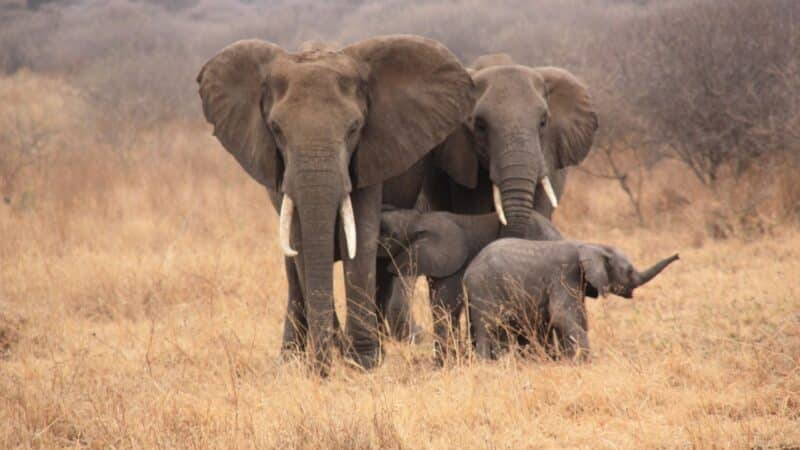
Tanzania is home to a wide variety of wildlife, including many dangerous animals. While wildlife encounters are generally rare (I really didn’t need to be worrying about elephant and lion attacks!), it’s important to be aware of the potential risks and take appropriate precautions.
It’s highly unlikely you’ll encounter dangerous animals outside of the best safari parks in Tanzania where you’ll have the expert advice of your guide.
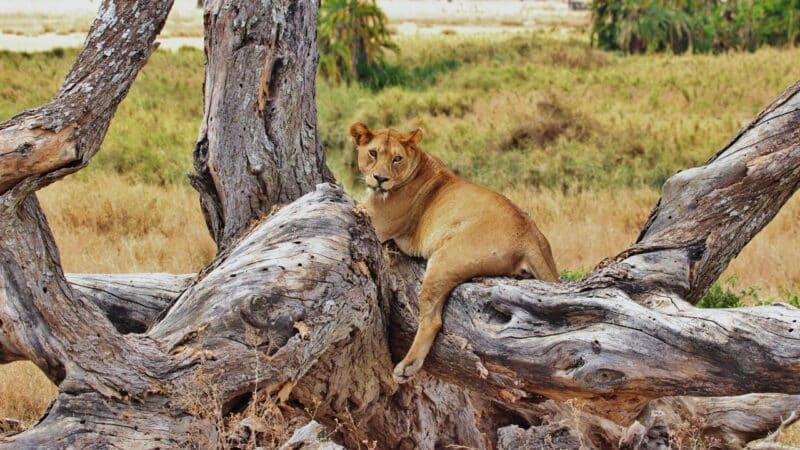
Make sure you follow all their guidance, no matter how tempted you are to stick your hand out and stroke that gorgeous-looking fluff of a lion!
Some of the most dangerous animals in Tanzania include:
- Lions: Tanzania is home to a large population of lions, and they can be found in many of the country’s national parks and game reserves. It’s important to follow the rules and regulations of the park or reserve, stay in your vehicle at all times, and never approach a lion on foot.
- Elephants: Elephants are another common sight in Tanzania’s national parks and game reserves. While they are generally not aggressive, they can become dangerous if they feel threatened or if their young are in danger. It’s important to keep a safe distance and never approach an elephant on foot.
- Cape buffaloes: Cape buffaloes are known for their unpredictable behavior and are responsible for more fatalities in Africa than any other large animal. They can be found in many of Tanzania’s national parks and game reserves, and it’s important to keep a safe distance.
- Crocodiles and hippos: Tanzania is home to large populations of crocodiles and hippos, particularly in and around waterways. It’s important to exercise caution when near water and never swim in areas where these animals are present. If you aren’t sure, don’t swim. It’s better to be safe than sorry!
- Snakes: Tanzania is home to a number of venomous snakes, including cobras and vipers. It’s important to wear appropriate footwear when walking in areas where snakes may be present, and to be cautious when exploring rocky areas or undergrowth.
Overall, by following the rules and regulations of national parks and game reserves, keeping a safe distance from wildlife, and taking appropriate precautions, you can enjoy Tanzania’s incredible wildlife while minimizing the risk of danger.
Natural Disasters in Tanzania
Tanzania is susceptible to a range of natural disasters, including floods, droughts, earthquakes, and tropical cyclones. It’s unlikely you’ll experience any of them but it’s good to know a little about what could happen in a worst case situation so you can be a little prepared.
Here’s a brief overview of some of the most common natural disasters in Tanzania:
- Floods: Tanzania is prone to flooding, particularly during the rainy season from March to May and from October to December. This might not be the best time to visit Tanzania. Floods can cause damage to infrastructure and can be dangerous to people and animals.
- Droughts: Tanzania also experiences droughts, particularly in arid and semi-arid regions. Droughts can lead to crop failure, food shortages, and water scarcity.
- Earthquakes: Tanzania is located in an earthquake-prone region, and small earthquakes are relatively common. While large earthquakes are rare, they can cause significant damage and loss of life.
- Tropical cyclones: Tanzania’s coastal regions are at risk of tropical cyclones, particularly between November and April. These storms can cause high winds, heavy rains, and storm surges.
In the event of a natural disaster, it’s important to follow the advice of local authorities and to stay informed about the situation.
If you are in an affected area, stay indoors if possible and avoid going outside unless it is safe to do so. It’s also a good idea to have an emergency kit with food, water, and medical supplies on hand.
Overall, while natural disasters can be unpredictable and dangerous, by staying informed and taking appropriate precautions, you can minimize the risks and stay safe in Tanzania.
Travel Insurance in Tanzania
If you are planning a trip to Tanzania, it’s a good idea to consider purchasing travel insurance. Travel insurance can provide you with financial protection in case of unforeseen events, such as trip cancellation or interruption, medical emergencies, or lost or stolen luggage.
When purchasing travel insurance for Tanzania, it’s important to make sure that the policy includes coverage for the activities you plan to participate in, such as safari tours or mountain climbing.
You should also check the policy’s coverage limits and exclusions to make sure it meets your needs.
We use Safety Wing which has an excellent reputation among frequent travelers and digital nomads. We’ve had great dealings with their customer service and are happy with the cover they provide. They’re definitely worth checking out.
Overall, purchasing travel insurance can provide you with peace of mind and financial protection during your trip to Tanzania. Just make sure to carefully review the policy terms and coverage limits to make sure it meets your needs.
Make sure you book your travel insurance well in advance of your trip
Frequently Asked Questions
Here are some of your most commonly asked questions about safety in Tanzania answered!
How Safe Is Tanzania For Tourists?
Tanzania is generally a safe country for tourists, with a relatively low level of violent crime against visitors. However, like any destination, there are some risks that tourists should be aware of and take precautions to minimize.
Here are some common safety concerns for tourists in Tanzania:
- Petty theft: Petty theft, such as pickpocketing and bag snatching, can occur in tourist areas, particularly in cities such as Dar es Salaam and Stone Town in Zanzibar. Tourists should keep a close eye on their belongings and avoid carrying large amounts of cash or expensive items.
- Scams: Tourists may encounter scams, particularly in tourist areas. These may include fake tour operators, overcharging for services or products, and requests for money or gifts. It’s important to be cautious and do research before engaging with any unfamiliar individuals or businesses.
- Traffic accidents: Tanzania’s roads can be hazardous, particularly outside of major cities. Tourists should exercise caution when driving or crossing roads and should avoid driving at night. We wouldn’t have been comfortable driving there at all – it was pretty sketchy!
- Wildlife encounters: Tanzania is home to a range of wildlife, including dangerous animals such as lions and crocodiles. Tourists should follow park regulations and avoid approaching or feeding wild animals.
- Political unrest: While political unrest is relatively uncommon in Tanzania, protests and demonstrations can occur. Tourists should avoid large gatherings and stay informed of local events.
By taking common-sense precautions, such as avoiding high-crime areas, securing valuables, and following park regulations, you should be able to look forward to a safe and enjoyable trip.
It’s also a good idea to stay informed of local events and travel advisories from your home country’s government.
Is Tanzania Safe To Walk Around?
Tanzania can be safe for walking around, but as with any destination, it’s important to be aware of your surroundings and take precautions to minimize the risk of becoming a victim of crime.
Here are some tips to keep in mind if you plan to walk around in Tanzania:
- Stick to well-lit and busy areas: Avoid walking alone in dark or isolated areas, particularly at night. Stick to well-lit and busy areas where there are other people around.
- Keep your valuables out of sight: Keep your valuables, such as cameras, smartphones, and wallets, out of sight to avoid attracting the attention of potential thieves.
- Be aware of your surroundings: Stay aware of your surroundings and be alert to any suspicious activity. If you feel uncomfortable or threatened, trust your instincts and move to a safer area.
- Walk confidently: Walking confidently and purposefully can help deter potential attackers. Avoid looking lost or unsure of where you’re going.
- Use a local guide: Consider using a local guide, particularly in unfamiliar areas. A guide can help you navigate safely and can provide valuable local knowledge and insights.
Obviously walking around in the national safari parks isn’t advised. In fact, most of the hotels will have an armed porter to lead you to your hotel door if you are required to walk outside at night to reach the hotel restaurant!
Always follow the advice of your guide on whether or not it is safe to leave your vehicle.
By taking these precautions, you can enjoy walking around Tanzania and experiencing the local culture and sights. However, it’s important to remember that crime can happen anywhere, so always be vigilant and prepared.
Is Tanzania Safer Than Kenya?

Comparing the safety of Tanzania and Kenya can be complex as both countries have their own unique safety concerns and risks.
While Tanzania has a relatively low level of violent crime against tourists, Kenya has experienced more high-profile incidents, particularly in urban areas such as Nairobi and Mombasa.
However, both countries have implemented measures to improve security and reduce crime.
Here are some common safety concerns and risks for tourists in each country:
Tanzania:
- Petty theft, such as pickpocketing and bag snatching, can occur in tourist areas
- Scams, particularly in tourist areas
- Traffic accidents, particularly outside of major cities
- Wildlife encounters, particularly in national parks
- Political unrest, while uncommon, protests and demonstrations can occur
Kenya:
- High levels of violent crime in urban areas, particularly Nairobi and Mombasa
- Petty theft, such as pickpocketing and bag snatching, can occur in tourist areas
- Terrorism and kidnapping threats, particularly in areas near the Somalia border
- Wildlife encounters, particularly in national parks
- Political unrest, protests and demonstrations can occur
Both Tanzania and Kenya are popular destinations for tourists and offer incredible wildlife, natural beauty, and cultural experiences.
While neither country is entirely risk-free, tourists can minimize their risks by following common-sense safety precautions.
We would advise checking with your government what the current guidelines for travel are. For example, Kenya has recently been updated to a high risk place to travel, when several years ago we enjoyed a month long holiday there completely hassle free.
Is Tanzania Safe For Single Women?
Tanzania can be a safe destination for single women travelers, but as with any destination, it’s important to take precautions to minimize the risk of becoming a victim of crime.
Emily didn’t travel there alone, but we do know many solo female travelers who have absolutely loved their holidays there.
Here are some tips to keep in mind if you are a single woman traveling to Tanzania:
- Dress modestly: Tanzania is a conservative country, and it’s important to dress modestly to avoid unwanted attention. Avoid wearing revealing clothing or clothing with offensive messages. Get some tips on what to wear on safari in Tanzania.
- Be aware of your surroundings: Stay aware of your surroundings and be alert to any suspicious activity. If you feel uncomfortable or threatened, trust your instincts and move to a safer area.
- Use a reputable tour operator: Consider using a reputable tour operator or guide, particularly in unfamiliar areas. A tour operator can help you navigate safely and can provide valuable local knowledge and insights.
- Avoid walking alone at night: Avoid walking alone at night, particularly in dark or isolated areas. Stick to well-lit and busy areas where there are other people around.
- Research local customs: Research local customs and cultural norms to avoid any unintentional offenses. It’s also a good idea to learn a few basic phrases in Swahili to communicate with locals.
Is Tanzania A Friendly Country?

Tanzania is known for its warm hospitality and friendly people, and visitors are often welcomed with open arms. Tanzanians are known for their kindness, generosity, and helpfulness towards others, and visitors are often struck by the country’s vibrant culture and warm community spirit.
This was certainly our experience, and the experience of many we know who have also traveled there.
Tanzanians are proud of their country’s diverse culture and heritage, and visitors are often welcomed to participate in cultural events and celebrations.
Whether you’re attending a local wedding, trying traditional cuisine, or exploring the country’s natural wonders, Tanzanians are often eager to share their culture and traditions with visitors.
While crime and safety concerns exist in Tanzania, particularly in urban areas, these issues are not representative of the country’s overall friendliness and hospitality towards visitors.
By taking common-sense safety precautions and respecting local customs, visitors can enjoy a safe and welcoming experience in Tanzania.
Top Tips For Staying Safe In Tanzania
Here are some top tips for staying safe in Tanzania:
- Research your destination: Before you travel to Tanzania, research your destination and be aware of any potential safety concerns or risks. Check the latest travel advisories and stay informed of local events.
- Use reputable tour operators: Consider using reputable tour operators for excursions and activities, particularly in unfamiliar areas. A good tour operator can help you navigate safely and can provide valuable local knowledge and insights.
- Secure your valuables: Keep your valuables secure and out of sight, particularly in crowded areas. Use a money belt or secure bag to carry your passport, money, and other important documents.
- Avoid displaying wealth: Avoid displaying wealth, such as expensive jewelry or electronics, as this can make you a target for theft or robbery.
- Be aware of scams: Be aware of common scams, such as fake tour operators, fake police officers, or “helpful” strangers offering to guide you to your destination. Use your common sense and be cautious if something seems too good to be true.
- Stay aware of your surroundings: Stay aware of your surroundings and be alert to any suspicious activity. If you feel uncomfortable or threatened, trust your instincts and move to a safer area.
- Dress appropriately: Dress modestly and respectfully, particularly in conservative areas. Avoid wearing revealing clothing or clothing with offensive messages.
- Use caution when driving: If you plan to drive in Tanzania, use caution and be aware of local traffic laws and customs. Avoid driving at night, particularly outside of major cities.
Conclusion: Is Tanzania Safe?

Overall, Tanzania is a safe destination for travelers. While there are some safety concerns, particularly in urban areas, you can take common-sense safety precautions to minimize the risk of becoming a victim of crime.
Tanzania is known for its warm hospitality and friendly people, and visitors are often welcomed with open arms.
The country is also home to some of the world’s most spectacular natural wonders, including Mount Kilimanjaro, the Serengeti National Park, and the Ngorongoro Crater.
We’re pretty sure you’ll enjoy a safe and memorable trip to Tanzania. And we certainly can’t wait to be back!