Bottom Paint For Boats: Your Options 2025
Bottom paint is an important investment for any boat owner. It not only enhances the appearance of the boat but also protects it from marine growth, which can damage the hull and slow down the boat’s speed.
However, with so many different types and brands of bottom paint on the market, it can be overwhelming to choose the right one for your boat.
After years and years of trying different bottom paints for our sailboat we’ve got the low down on what you need and why you need it, and why you shouldn’t spend money on one certain brand!
We’ll start with the different types of bottom paint available, including ablative, hard, and hybrid paints, and explain the pros and cons of each type.
We’ll also go over the different types of biocides used in bottom paint and their environmental impact.
Next, we’ll cover how to properly prepare the hull for bottom paint, including cleaning, sanding, and priming. We’ll also provide tips on how to apply the paint correctly, including how many coats to apply and how long to wait between coats.
Finally, we’ll discuss how to maintain your bottom paint over time, including how often to clean the hull and when to reapply the paint.
By the end of this post, you’ll have all the information you need to choose the right bottom paint for your boat and keep it looking great for years to come.
As an Amazon Associate, we earn from qualifying purchases. We also earn from other affiliate programs. This means we may receive a small commission on products purchased through our links at no extra cost to you.
Table of Contents
- What Is Bottom Paint For Boats?
- How Long Does Antifoul Last?
- Types Of Bottom Paint
- Pros And Cons Of Antifoul
- Pros And Cons Of Copper Coat
- The Antifoul Paint For Boats
- How To Apply Antifoul
- Making Your Bottom Paint Last
- What Is The Cost To Bottom Paint Your Boat?
What Is Bottom Paint For Boats?
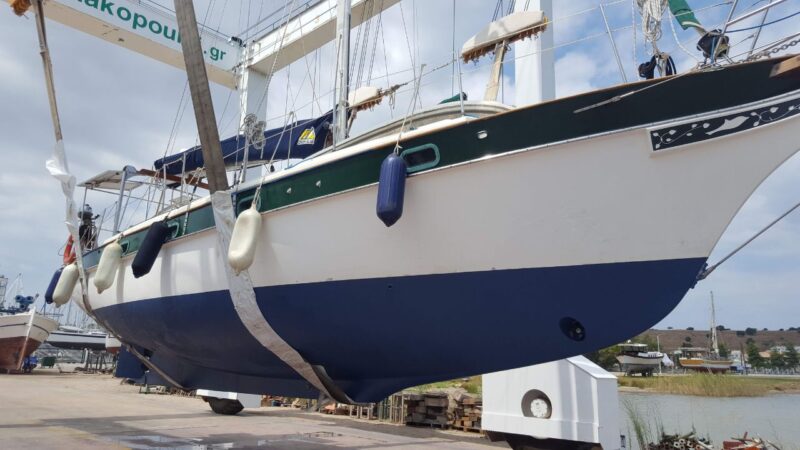
Bottom paint, also known as antifouling paint, is a specialized type of paint used to protect the hulls of boats from the growth of marine organisms such as barnacles, algae, and other types of fouling.
When a boat sits in the water for extended periods of time, marine organisms can attach themselves to the hull, creating drag and reducing the boat’s speed and maneuverability. Bottom paint is designed to prevent this from happening by releasing biocides that are toxic to marine organisms, thereby inhibiting their growth and preventing them from attaching to the hull.
You might think surely these little marine organisms couldn’t do too much damage?
We made the mistake once of leaving the boat in the water for two seasons, in an especially murky marina. We motored to the next bay when we left the marina for summer and couldn’t work out why out boat was going half the speed. Until we got in the water.
In fact, we didn’t even have to get in the water. We just got in the dinghy and we could immediately see the problem. There were the biggest clumps of mussels clinging to the bottom on the boat that I have ever seen.
We genuinely could have started a mussel farm from the amount of mussels we were carrying with us. Our antifoul had well and truly failed us, and a haul out was booked pronto!
Bottom paint typically contains copper or other biocides, which are slowly released over time to prevent the growth of marine organisms. The effectiveness of the paint depends on the type and amount of biocide used, as well as the type of water (salt or fresh) in which the boat is used.
It is important to choose the right type of bottom paint for the type of boat and the type of water it will be used in. Depending on the kind of paint, it should be reapplied every few years to maintain its effectiveness.
How Long Does Bottom Paint Last?

The lifespan of bottom paint for boats can vary depending on a number of factors, such as the type and quality of the paint, the frequency of use of the boat, the type of water in which the boat is used, and the level of fouling in the water.
Generally, bottom paint can last anywhere from one to five years, although some higher-quality paints can last longer. Some manufacturers offer warranties on their bottom paint products, which can provide a good indication of the expected lifespan.
In addition to the factors mentioned above, the effectiveness of bottom paint can also be affected by factors such as exposure to sunlight and the condition of the hull. Over time, the paint can wear away due to abrasion or chemical erosion, reducing its effectiveness and requiring reapplication.
It’s also worth noting that most antifoul works when the boat is regularly in motion. Thus the reason ours failed so dramatically while sitting in a dirty marina.
It is important to monitor the condition of the bottom paint on a regular basis and to reapply it as necessary to ensure that the hull is protected from fouling and damage.
Types Of Bottom Paint
There are several types of bottom paint for boats, each with its own unique features and benefits. The most common types of bottom paint include:
- Hard bottom paint – this type of paint contains a high level of biocide and is ideal for boats that are used frequently or spend a lot of time in the water. Hard bottom paint can provide excellent protection against fouling, but can be difficult to remove and can cause damage to the hull if not applied correctly.
- Ablative bottom paint – this type of paint is designed to gradually wear away over time, releasing biocides to prevent fouling. Ablative bottom paint is ideal for boats that are used less frequently or for those that are hauled out of the water regularly.
- Hybrid bottom paint – this type of paint combines the benefits of hard and ablative bottom paint, providing long-lasting protection against fouling and wear.
- Water-based bottom paint – this type of paint is environmentally friendly and contains little to no volatile organic compounds (VOCs). Water-based bottom paint is ideal for use in freshwater or brackish water environments.
- Copper-free bottom paint – this type of paint uses alternative biocides instead of copper to prevent fouling. Copper-free bottom paint is ideal for use in sensitive marine environments where copper pollution is a concern.
It is important to choose the right type of bottom paint for the type of boat and the type of water it will be used in to ensure maximum protection against fouling and damage.
Pros And Cons Of Antifoul
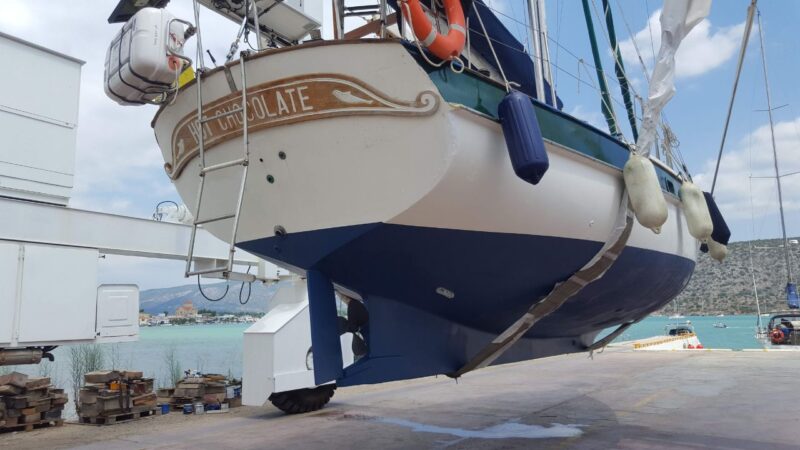
Antifouling paint is a type of marine coating designed to prevent the growth of marine organisms on the bottom of boats. Here are some pros and cons of using antifouling paint on your boat:
Pros:
- Prevents marine growth: Antifouling paint is effective at preventing marine growth on the bottom of boats, including algae, barnacles, and other organisms that can slow down your boat and reduce fuel efficiency.
- Improves performance: By preventing marine growth, antifouling paint can improve the speed and fuel efficiency of your boat, as well as reduce wear and tear on your engine.
- Easy to apply: Antifouling paint is easy to apply and can be done by most boat owners, making it a cost-effective option.
- Protects your boat: Antifouling paint can also help protect your boat from damage caused by marine growth, such as osmosis and corrosion.
Cons:
- Short lifespan: Antifouling paint typically needs to be reapplied every year or two, which can be time-consuming and expensive.
- Environmental impact: Antifouling paint can contain chemicals that are harmful to the environment and marine life, particularly if the paint flakes off or is not properly disposed of.
- Cost: Antifouling paint can be expensive, especially if you opt for higher-end products.
- Health risks: The chemicals in antifouling paint can pose a health risk to those applying it, particularly if they do not use protective gear or work in a well-ventilated area.
Overall, antifouling paint can be an effective way to prevent marine growth and protect your boat, but it’s important to carefully consider the pros and cons and choose a product that fits your specific needs and environmental concerns.
Pros And Cons Of Copper Coat

Copper Coat is a type of anti-fouling paint that is designed to prevent marine growth on the bottom of boats. Well, technically it isn’t a paint but an epoxy, which has benefits in itself. Here are some pros and cons of using Copper Coat for your boat:
Pros:
- Long-lasting: Copper Coat is a very durable coating that can last up to 10 years, which is much longer than most other anti-fouling paints.
- Environmentally friendly: Copper Coat is made with copper particles that slowly leach into the water, preventing marine growth without using harmful chemicals that can damage the marine environment.
- Cost-effective: Although Copper Coat is more expensive than traditional anti-fouling paints, it can save you money in the long run because you won’t need to apply it as often.
- Extra protective barrier: Because copper coat is actually an epoxy rather than a paint, it can provide an extra barrier of protection to your fiberglass hull.
- Increased speed: Because Copper Coat is a smoother coating than traditional anti-fouling paints, it can improve the speed and fuel efficiency of your boat.
Cons:
- Upfront cost: Copper Coat is more expensive than other anti-fouling paints, which can be a deterrent for some boat owners. It’s also much trickier to apply yourself so you’ll probably have to pay someone else to do the job for you.
- Application process: Applying Copper Coat can be a time-consuming and labor-intensive process, requiring multiple coats and careful preparation of the hull.
- Limited effectiveness: While Copper Coat is effective at preventing marine growth, it may not be as effective in areas with heavy fouling or in warm waters.
- Potential for electrolysis: Copper Coat can increase the risk of electrolysis, which can cause corrosion and damage to your boat’s metal components if not properly managed.
Overall, Copper Coat can be a great choice for boat owners who are looking for a long-lasting, environmentally friendly, and cost-effective anti-fouling solution. However, it’s important to carefully consider the pros and cons and weigh them against your specific boating needs before making a decision.
We’re really keen to copper coat our catamaran for longer term cruising, but currently it’s out of our budget!
The Best Bottom Paint For Boats
There are many bottom paint brands on the market, each with their own unique features and benefits. Here are some of the best bottom paint brands for boats:
Interlux
Interlux is a well-known and trusted brand in the marine industry, offering a wide range of bottom paints for different types of boats and boating environments.
Their Micron series of bottom paints is particularly popular.
Pettit
Pettit is another well-respected brand that offers a variety of high-quality bottom paints. Their Odyssey bottom paints are both highly rated.
Odyssey HD multi-season antifouling paint has a high copper content combined with polishing ablative technology. One of the great things about this paint is that it’s compatible overmost finishes, so you probably won’t have to stip the hull back before you apply.
It has an18 Month Limited Warranty which is one of the best out there, so you’ll have some peace of mind that it’s doing it’s job!
Sea Hawk
Sea Hawk is a newer brand that has quickly gained popularity among boaters. Their Tropikote is a hard antifoul which has the highest copper content available on the market, and is one of the most potent paints around. It’s especially good for waters where the fouling is heavy (wish we’d used this while we were sat in the marina!)
West Marine
West Marine offers a variety of great value bottom paints under their own brand name.
Their water-based antifoul is especially environmentally friendly and a great option if you want to be kinder to yourself and the environment but can’t afford copper coat.
It’s worth noting that some of the cheaper brands of antifoul aren’t quite as effective. This shouldn’t be a problem at all for those sailors who enjoy the season and then get hauled out, but might not be great for longer term cruisers who want their bottom paint to last that little bit longer.
When choosing a bottom paint brand, it’s important to consider factors such as the type of boat you have, the boating environment you’ll be in, and your environmental concerns.
Be sure to do your research and choose a product that fits your specific needs and requirements.
How To Apply Antifoul

Applying antifoul or bottom paint to a boat is a process that requires careful preparation and attention to detail to ensure that the paint adheres properly and provides maximum protection against fouling. Here are the basic steps involved in applying antifoul:
- Prepare the surface – Begin by removing any old antifoul or paint from the hull using a scraper or sander. Clean the surface thoroughly with a high-pressure washer or scraper to remove any dirt, grime, or other debris.
- Sand the surface – Once the surface is clean and dry, sand it lightly to create a rough surface that will help the new paint adhere properly. Be sure to wear a dust mask and protective eyewear while sanding. It’s worth noting here that not all antifoul paints adhere well to one another. You’ll want to find out what antifoul was used previously and make sure your next coat is compatible.
- Apply primer (if necessary) – If the surface is not already coated with a primer, apply a high-quality marine-grade primer that is compatible with the antifoul paint you will be using. Allow the primer to dry completely according to the manufacturer’s instructions.
- Apply antifoul – Apply the antifoul paint according to the manufacturer’s instructions, using a roller, brush, or spray gun. Be sure to apply the paint evenly and follow the recommended coverage rate.
- Apply multiple coats – Depending on the type of antifoul you are using, you may need to apply multiple coats. Allow each coat to dry completely before applying the next. We usually do at least two coats.
- Clean up – Once the final coat is dry, clean up any excess paint and dispose of any waste according to local regulations.
It is important to follow the manufacturer’s instructions carefully and to choose the right type of antifoul for your boat and the type of water in which it will be used.
Making Your Bottom Paint Last
Antifouling paint is an important investment for protecting your boat from marine growth, and it’s important to make it last as long as possible to get the most out of your investment. Here are some tips for making your antifouling paint last:
- Choose the right type of antifouling paint: Different types of antifouling paint are designed for different boating environments and water conditions. Be sure to choose a paint that is specifically designed for the type of boating you do and the water conditions you’ll be in.
- Properly prepare the hull: Proper preparation is essential for ensuring that the paint adheres well and lasts as long as possible. This includes cleaning the hull thoroughly, removing any existing growth or old paint, and applying a primer if necessary.
- Apply multiple coats: Applying multiple coats of antifouling paint can help ensure that the paint is thick enough to provide effective protection against marine growth. Be sure to follow the manufacturer’s instructions for application and drying times.
- Use high-quality paint: Investing in high-quality antifouling paint can help ensure that it lasts longer and provides better protection against marine growth.
- Maintain your boat regularly: Regular maintenance, including cleaning the hull and checking for any signs of damage or wear, can help extend the life of your antifouling paint.
- Haul out regularly: Hauling out your boat for inspection and maintenance can help ensure that your antifouling paint is still in good condition and provide an opportunity to touch up any areas that need it.
By following these tips and taking good care of your boat and its antifouling paint, you can help ensure that it lasts as long as possible and provides effective protection against marine growth.
What Is The Cost To Bottom Paint Your Boat?
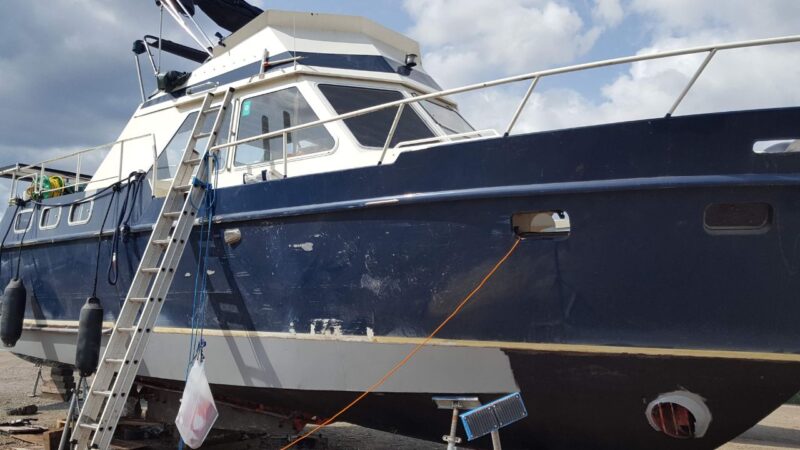
The cost to bottom paint a boat can vary widely depending on a number of factors, such as the size and type of boat, the type of bottom paint used, and the condition of the hull.
As a general rule, the cost of bottom painting a boat will increase as the size of the boat increases. For example, a small boat may cost around $300 to $500 to bottom paint, while a larger boat could cost several thousand dollars.
The type of bottom paint used can also affect the cost. Higher-quality paints with more advanced features, such as longer lifespans or environmentally friendly formulations, may be more expensive than basic bottom paints.
Other factors that can affect the cost of bottom painting a boat include the level of preparation required (e.g., if the hull needs to be stripped of old paint), the cost of labor (if you hire a professional to do the work), and any additional services or repairs that are needed.
As a rough estimate, the cost of bottom painting a 30-foot boat with a basic bottom paint could range from $100 to $500, while a larger boat (50 feet or more) could cost $1,000 or more. If you pay a professional to do the job then the cost will go up even further.
It’s important to get a specific estimate from a professional for your particular boat and circumstances.
Conclusion: Bottom Paint For Boats

In conclusion, bottom paint is an essential investment for any boat owner.
Choosing the right bottom paint for your boat depends on many factors, including the type of boat you have, the water conditions you’ll be in, and your environmental concerns. It’s essential to consider these factors carefully and do your research before making a purchase.
Proper preparation of the hull, correct application of the paint, and regular maintenance are all crucial for making your bottom paint last as long as possible.
By following the tips and guidelines outlined in this post, you can ensure that your boat’s bottom paint remains effective and looking great for years to come.
We hope that this post has provided you with valuable information about bottom paint for boats. Whether you’re a seasoned boat owner or a new boater, we encourage you to take the time to educate yourself on this essential aspect of boat maintenance.
Remember, investing in quality bottom paint and taking proper care of your boat can save you time and money in the long run, and ultimately help you enjoy your time on the water to the fullest!