
The Best Time To Visit Italy (And The Worst!) 2025
Looking for the best time to visit Italy?
Italy is a top destination for travelers from all over the world, known for its rich culture, history, cuisine, and natural beauty. It’s one of our absolute favourite destinations in Europe (and not just for the pizza!)
Whether you’re planning a romantic getaway, a family vacation, or a solo adventure, there’s something for everyone in Italy. However, deciding on the best time of year to visit can be a challenge, as Italy experiences distinct seasons and weather patterns that can affect your experience.
We’ve been lucky enough to visit Italy at different times of the year and want to give you the low down on what to expect.
In this blog post, we’ll explore the best time of year to visit Italy, taking into account factors such as weather, crowds, prices, and events.
We’ll look at each season and highlight the pros and cons of visiting during different months, so you can make an informed decision and plan your trip accordingly. We’ve included some of the attractions that Italy is best known for.
We’ve based our top tips mainly on those looking to sightsee in Italy, visiting the cities, the coast and countryside. Italy is also an extremely popular ski destination, so when referring to peak seasons we’re talking about sightseeing opportunities and not the ski resorts, which are obviously packed out during the winter months.
So, if you’re dreaming of a trip to Italy but don’t know when to go, keep reading to discover the best time of year to visit this beautiful and diverse country.

As an Amazon Associate, we earn from qualifying purchases. We also earn from other affiliate programs. This means we may receive a small commission on products purchased through our links at no extra cost to you.
Table of Contents
- Is Italy Worth Visiting?
- What Is The Best Month To Visit Italy?
- What Time Of Year Does Italy Have The Best Weather?
- What Is The Off Season For Italy?
- What Is Peak Tourist Time In Italy?
- What Is The Most Expensive Month To Visit Italy?
- What Is The Cheapest Month To Go To Italy?
- What Is The Rainy Season In Italy?
- The Worst Time To Visit Italy
- Frequently Asked Questions
Is Italy Worth Visiting?

Yes, Italy is definitely worth visiting!
Italy is a beautiful country with a rich history, culture, and stunning landscapes. From the ancient ruins of Rome to the canals of Venice, the rolling hills of Tuscany to the beaches of the Amalfi Coast, there is no shortage of places to explore and things to see.
Italy is also known for its delicious food and wine, with each region offering unique specialties and flavors. Whether you are a fan of pizza, pasta, gelato, or espresso, you will find plenty of options to satisfy your cravings.
In addition, Italy is home to some of the world’s most iconic landmarks and attractions, including the Colosseum, the Leaning Tower of Pisa, and the Vatican City. Art lovers will appreciate the country’s numerous museums and galleries, which house some of the world’s most famous artworks.
Italy is beautiful, and you can find pretty much anything you’re looking for here. So yes, we think it is definitely worth a visit (or three!)
What Is The Best Month To Visit Italy?
The best month to visit Italy depends on your preferences and what you want to see and do. Here’s a breakdown of the pros and cons of each season:
- Spring (April-June): This is a great time to visit Italy, especially if you want to avoid the summer crowds. The weather is mild and pleasant, with temperatures averaging around 60-70°F (15-25°C). However, keep in mind that April can be rainy in some areas, and might bring unpredictable weather.
- Summer (July-August): This is peak tourist season, with long lines and crowded attractions. However, the weather is warm and sunny, making it perfect for beach trips and outdoor activities. Temperatures can reach up to 90°F (32°C) in some parts of the country.
- Fall (September-November): This is another great time to visit Italy, as the crowds thin out and the weather is still mild. The fall foliage is also a beautiful sight in places like Tuscany and Umbria. However, keep in mind that November can be rainy and some attractions may have reduced hours.
- Winter (December-March): Winter is the least popular time to visit Italy, but it can still be enjoyable if you don’t mind the cold weather. The ski resorts in the Italian Alps (some of the best in the world) are open during this time, and you can also experience Christmas markets and celebrations in cities like Rome and Florence. However, some attractions may be closed or have reduced hours, and some areas may be snowed in.
Overall, if you want to sightsee we would say the best month to visit Italy is either in the spring (April-June) or fall (September-November) when the weather is mild, the crowds are thinner, and prices are generally lower.
Obviously if you fancy skiing then winter is the best time to visit. And we also loved Rome over the Christmas period when the new years celebrations were incredible.
What Time Of Year Does Italy Have The Best Weather?
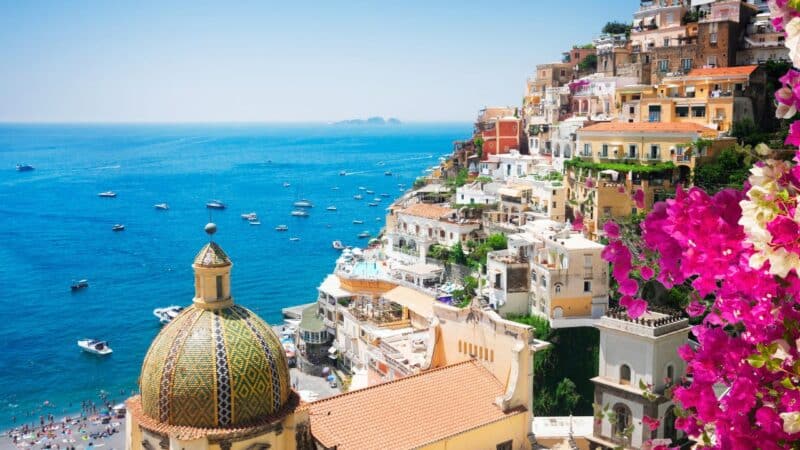
Italy has a Mediterranean climate, with mild winters and hot summers, but the weather can vary depending on the region. Generally speaking, the best time of year to visit Italy for the best weather is during the spring and early fall.
In the spring (April-June), temperatures are mild and pleasant, ranging from around 60-70°F (15-25°C). The weather is usually sunny and dry, making it a great time to explore Italy’s outdoor attractions, such as parks, gardens, and beaches.
In the fall (September-November), the weather is also mild, with temperatures ranging from around 60-70°F (15-25°C). The weather is usually sunny and dry, and the fall foliage is a beautiful sight in places like Tuscany and Umbria.
During the summer months (July-August), temperatures can soar up to 90°F (32°C) in some parts of Italy, making it hot and uncomfortable for some travelers. However, if you enjoy the beach and water activities, this is the perfect time to visit the coastal regions.
Winter (December-March) can be cold and rainy in some parts of Italy, but the southern regions and the islands still experience mild temperatures. The ski resorts in the Italian Alps are also open during this time.
Overall, the best time to visit Italy for the best weather is either during the spring or early fall when the temperatures are mild and the weather is generally sunny and dry.
What Is The Off Season For Italy?
The off-season for Italy is generally considered to be from November to March, with the exception of the Christmas and New Year’s holidays, which are popular times for tourism. Obviously this is the opposite in the Italian alps, where ski season is extremely popular.
During this time, the weather is cooler and some attractions may have reduced hours or be closed. However, the off-season can be a great time to visit Italy for several reasons:
- Fewer crowds: Since it’s the off-season, there are fewer tourists, which means you can enjoy the attractions without the long lines and crowds.
- Lower prices: Accommodations, flights, and activities are generally cheaper during the off-season, making it a great time to save money on your trip.
- Authentic experiences: Since there are fewer tourists, you can experience Italy like a local, visiting local markets, shops, and restaurants that may not be as crowded during the peak season.
- Festivals and events: Italy has several festivals and events during the off-season, including Carnevale in February and March and the Christmas markets in December.
Overall, while the off-season may not be the ideal time to visit Italy for the weather, it can still be a great time to experience the country’s culture and attractions without the crowds and high prices.
What Is Peak Tourist Time In Italy?

Peak tourist time in Italy is generally from June to August, during the summer months. During this time, the weather is warm and sunny, making it perfect for beach trips and outdoor activities and the crowds flock there.
This is also the busiest and most expensive time to visit Italy, with long lines and crowded attractions. This is especially true during the European school summer holidays, which generally fall around July and August.
In addition to the summer months, the Christmas and New Year’s holidays are also popular times for tourism, as well as the Easter holiday in the spring.
It’s important to note that some of Italy’s most popular attractions, such as the Colosseum in Rome and the Uffizi Gallery in Florence, can have long lines and wait times year-round.
However, during the peak tourist season, the crowds can be even more overwhelming, making it important to plan ahead and book tickets and accommodations in advance.
If you’re looking to avoid the crowds and high prices, consider visiting Italy during the shoulder seasons, from April to May or September to October. The weather is still mild and pleasant during these months, and you’ll have a better chance of experiencing Italy’s attractions without the crowds.
What Is The Most Expensive Month To Visit Italy?
The most expensive month to visit Italy is generally August, during the peak tourist season. This is when many Italians take their summer holidays, and the demand for flights, accommodations, and activities is high.
In addition, many businesses and restaurants may close during this time, leading to higher prices for those that remain open.
July is also a busy month for tourism, and prices can be high during this time as well. The Christmas and New Year’s holidays can also be expensive times to visit Italy, as many people travel during this time to see the festive decorations and celebrations.
To save money on your trip to Italy, consider visiting during the shoulder seasons, from April to May or September to October. The weather is still mild and pleasant during these months, and prices for flights, accommodations, and activities are generally lower than during the peak season.
What Is The Cheapest Month To Go To Italy?

The cheapest month to go to Italy is generally November, which is during the off-season and not yet into ski season.
During this time, prices for flights, accommodations, and activities are generally lower than during the peak tourist season in the summer months. In addition, since there are fewer tourists during the off-season, some businesses may offer discounts or special deals to attract customers.
Other months during the off-season, such as December, January, and February, can also be relatively affordable times to visit Italy for sightseeing. However, keep in mind that the weather during these months can be cooler and some attractions may have reduced hours or be closed.
These months are some of the most expensive for skiing, when most of the resorts open and snow is at its best.
If you’re looking to save money on your trip to Italy, consider visiting the cities during the off-season, booking accommodations in advance, and looking for deals and discounts on flights and activities.
Additionally, consider traveling to lesser-known destinations within Italy, which can be more affordable than the major tourist cities.
What Is The Rainy Season In Italy?
Italy does not have a typical rainy season, as the weather patterns can vary greatly depending on the region and time of year. However, the winter months, from November to February, are generally the wettest months in most parts of the country, especially in the northern regions.
During this time, there may be frequent rain and snow showers, particularly in the mountainous regions.
In the spring and fall, there can also be some rain, but the weather is generally mild and pleasant. In the summer months, from June to August, rainfall is less common, but some areas, such as the northwestern region of Liguria, can experience brief but heavy rainstorms.
It’s important to note that weather patterns can vary greatly depending on the region you’re visiting, so it’s a good idea to check the weather forecast for your specific destination before your trip.
The Worst Time To Visit Italy

There isn’t necessarily a “worst” time to visit Italy, as it depends on your preferences and travel goals. However, there are some factors that you may want to consider when planning your trip:
- Peak tourist season: The summer months, from June to August, are the busiest and most expensive time to visit Italy. The crowds can be overwhelming, and prices for accommodations, flights, and activities are at their highest. If you’re looking to avoid the crowds and save money, consider visiting during the off-season.
- High heat and humidity: If you’re not a fan of hot and humid weather, you may want to avoid visiting Italy during the peak summer months. Temperatures can soar into the 90s Fahrenheit (30s Celsius) in some parts of the country, especially in the south.
- Winter weather: While Italy can be beautiful during the winter months, with holiday markets and festive decorations, the weather can be cold and damp, especially in the northern regions. Some attractions may also have reduced hours or be closed during this time.
- Specific events and holidays: Some events and holidays in Italy can draw large crowds and make it difficult to visit certain attractions. For example, Easter and Christmas can be busy times for tourism, as can major festivals like Carnevale in Venice.
Overall, the “worst” time to visit Italy really depends on your preferences and what you want to experience during your trip. Consider factors like weather, crowds, and specific events when planning your trip.
Frequently Asked Questions
These are some of the questions that are most frequently asked in regard to traveling in Italy.
How Many Days Do I Need In Italy?

The number of days you need to spend in Italy depends on your travel goals and what you want to see and do during your trip.
Ideally, you should plan to spend at least a week in Italy to get a taste of the country’s history, culture, and cuisine. However, if you want to see multiple cities or regions, you may need more time.
Here are some suggested itineraries for different lengths of stay:
3-4 days: If you only have a few days in Italy, consider focusing on one city or region.
For example, you could spend a few days in Rome exploring the ancient landmarks and visiting the Vatican, or visit Florence to see the famous artwork and architecture of the Renaissance. Why not take a Naples to Pompeii day trip?
5-7 days: With a week in Italy, you could visit two or three cities or regions. For example, you could spend a few days in Rome, then take a train to Florence and spend a few days there before ending your trip in Venice.
10-14 days: With two weeks in Italy, you can see more of the country and explore multiple regions. For example, you could spend a few days in Rome, then travel to Tuscany to explore the countryside and visit cities like Florence and Siena.
You could then travel to the Amalfi Coast or Cinque Terre for some beach time, and end your trip in Venice or Milan. Check out some of the best 12 day Italy tours to see what you could fit in.
3 weeks or more: If you have more than three weeks to spend in Italy, you can really take your time and explore the country in depth.
Consider visiting multiple regions, such as the Italian Lakes, the Dolomites, and Puglia, or take a slow road trip through Tuscany and Umbria. You could also include some smaller towns and villages, such as San Gimignano, Assisi, or Matera, to get a taste of local life in Italy.
Of course, these are just suggestions, and you can customize your itinerary based on your interests and preferences. Keep in mind that travel times between cities can vary, so you should factor in travel time when planning your trip.
Do I Need To Hire A Car In Italy?
Hiring a car in Italy can be a great option for exploring the country, especially if you want to venture beyond the major cities and visit more rural or remote areas. We have always hired a car when visiting areas outside Rome, and it’s definitely made the trip easier and more enjoyable.
However, whether or not you need to hire a car in Italy depends on your travel plans and preferences.
Here are some factors to consider when deciding whether to hire a car in Italy:
Where you’re going: If you’re planning to stay in major cities like Rome, Florence, or Venice, you may not need a car, as these cities are easily navigable on foot or via public transportation. However, if you’re planning to visit smaller towns or rural areas, a car can be useful for getting around.
Your comfort level driving: Driving in Italy can be challenging, especially if you’re not used to the narrow roads, aggressive drivers, and different traffic rules. If you’re not comfortable driving in Italy, or if you’re planning to visit cities where driving is difficult or prohibited, you may want to skip the car rental.
Your budget: Car rentals in Italy can be expensive, especially if you’re renting in peak tourist season or if you’re under 25 years old. You’ll also need to factor in the cost of gas, tolls, and parking. That being said, we have always found hiring a car works out cheaper than public transport.
Your itinerary: If you’re planning a road trip through Italy, a car rental may be the best way to see the country at your own pace. However, if you’re visiting multiple cities and only staying a few days in each place, it may be more convenient to rely on public transportation.
Overall, whether or not you need to hire a car in Italy depends on your travel plans and preferences. If you do decide to rent a car, be sure to familiarize yourself with the local driving laws and regulations, and be prepared for some slightly challenging driving conditions.
Do I Need Travel Insurance In Italy?

While travel insurance is not a legal requirement for visiting Italy, it is highly recommended to protect yourself and your belongings in case of unexpected events. Here are some reasons why you should consider getting travel insurance for your trip to Italy:
- Medical emergencies: Travel insurance can provide coverage for medical emergencies, such as illness or injury, that may occur while you’re in Italy. This can include medical expenses, hospitalization, and emergency medical transportation.
- Trip cancellation or interruption: Travel insurance can provide coverage for trip cancellation or interruption due to unforeseen circumstances, such as illness, natural disasters, or other emergencies. This can help you recoup your non-refundable expenses and get home safely.
- Lost or stolen belongings: Travel insurance can provide coverage for lost or stolen belongings, such as your passport, luggage, or personal items. This can help you replace your belongings and continue your trip without interruption.
- Liability coverage: Travel insurance can provide liability coverage in case you accidentally cause damage to property or injury to another person while traveling in Italy.
We use Safety Wing who have insurance designed for digital nomads and frequent travelers. They have a great reputation and we have found their customer service excellent.
When purchasing travel insurance, be sure to read the policy carefully and understand what is covered and what is not. You should also check if your existing insurance policies, such as health or homeowner’s insurance, provide any coverage for travel-related events.
What Is The Best Time Of Year To Visit The Amalfi Coast?
The best time of year to visit the Amalfi Coast is during the shoulder seasons of late spring (May and early June) and early fall (September and early October).
During these months, the weather is pleasant, with warm temperatures and minimal rainfall, making it perfect for exploring the coastal towns and beaches.
The crowds are also smaller compared to the peak summer months, allowing you to enjoy the region’s attractions without the heavy crowds. Which there certainly are during the summer months!
However, if you’re looking for warmer weather for swimming and sunbathing, the best time to visit the Amalfi Coast is during the summer months of July and August.
During this time, the weather is hot and sunny, with long daylight hours. However, this is also the peak tourist season, so you should expect higher prices, bigger crowds, and longer lines at popular attractions.
Winter is the low season on the Amalfi Coast, and many restaurants and shops close during this time.
However, if you’re looking for a quieter and more peaceful experience, you may enjoy visiting during this time. The weather is cooler, but still mild, and you may have the opportunity to see the region’s beautiful landscapes dusted with snow.
What Is The Best Time Of Year To Visit Rome?

Rome is a popular tourist destination year-round, but the best time of year to visit depends on your preferences, budget, and tolerance for crowds and weather.
The shoulder seasons of late spring (April-June) and early fall (September-November) are generally considered the best times to visit Rome.
During these months, the weather is mild and pleasant, with fewer crowds and lower prices compared to the peak summer months. You’ll also have a better chance of seeing the city’s attractions without the long lines and heavy crowds.
Summer (July-August) is the peak tourist season in Rome, and the city can be crowded, hot, and humid. It’s amazing how much walking you’ll clock up and during the summer heat this can be pretty exhausting.
However, this is also the time when many of the city’s cultural events, festivals, and concerts take place. If you do decide to visit Rome during the summer, it’s best to plan ahead, book accommodations in advance, and be prepared for higher prices and long lines at popular attractions.
Winter (December-February) is the low season in Rome, and you’ll find fewer tourists, lower prices, and cooler weather. However, some attractions may have shorter opening hours or be closed altogether, and you should be prepared for rain and occasional flooding.
We visited over the Christmas period, including New Year’s, and absolutely loved it compared to the hotter summer months. It was still very busy but the festive atmosphere made it all the more exciting, and the fireworks were incredible.
Overall, the best time of year to visit Rome depends on your priorities and preferences. If you’re looking for pleasant weather and fewer crowds, consider visiting during the shoulder seasons.
If you’re willing to brave the heat and crowds, summer can be a great time to experience the city’s cultural events and festivals. If you’re looking for lower prices and don’t mind cooler weather, winter can be a good option.
Conclusion: The Best Time Of Year To Visit Italy

In conclusion, the best time of year to visit Italy depends on your preferences and priorities. If you want to enjoy the pleasant weather, smaller crowds, and lower prices, consider visiting during the shoulder seasons of late spring (April-June) and early fall (September-November).
However, if you’re looking for hot temperatures and the chance to swim and sunbathe, then the summer months of July and August might be the best time for you.
Winter can be a good option for budget-conscious travelers or those who want to experience Italy’s winter festivals and ski resorts.
Ultimately, the choice is yours, and any time of year can be a great time to visit Italy and experience its rich culture, history, and cuisine.


