

Is Nepal Safe To Visit In 2026?
If you’re planning the holiday of a lifetime then you’re going to want to know the answer to the question is Nepal safe to visit?
Before traveling to anywhere unfamiliar the first thing we always do is look up the safety information, and Nepal was no different. We scoured the internet finding out about potential hazards and how we could avoid them.
Nepal is a popular travel destination known for its stunning landscapes, rich culture, and warm hospitality, and it won’t disappoint. While Nepal is generally a safe country, there are still risks that travelers should be aware of.
In this blog post, we’ll explore the safety situation in Nepal, including the potential risks and dangers, tips for staying safe, and advice for female and solo travelers.
Whether you’re planning a trekking adventure in the Himalayas or a cultural tour of Kathmandu, this guide will help you stay safe and enjoy your trip to Nepal.

As an Amazon Associate, we earn from qualifying purchases. We also earn from other affiliate programs. This means we may receive a small commission on products purchased through our links at no extra cost to you.
Table of Contents
Is Nepal Safe?

Nepal is generally considered a safe country for travelers. The Nepali people are warm and hospitable, and tourism is a significant part of the country’s economy. However, like any other destination, there are some safety concerns that travelers should be aware of.
With trekking being so popular, one of the main safety concerns in Nepal is the risk of altitude sickness when trekking in the high-altitude regions. It’s essential to acclimatize properly and take necessary precautions to prevent altitude sickness.
Another safety concern is the risk of natural disasters such as earthquakes and landslides, which can occur in Nepal. It’s important to stay informed and follow local advice in the event of such incidents.
Travelers should also be aware of the risk of theft and pickpocketing, especially in crowded areas such as markets and public transportation. It’s advisable to keep valuables safe and avoid carrying large amounts of cash.
Political demonstrations and strikes can also occur in Nepal, which can lead to transportation disruptions and unrest. Stay informed by keeping up to date with your local government advice and the news outlets in Nepal, and avoid large gatherings and protests.
Overall, with proper preparation, awareness, and caution, Nepal can be a safe and enjoyable destination for travelers and we’ve no doubt you’ll have the most amazing trip.
Let’s delve into safety concerns in more detail below.
Crime In Nepal
Nepal is a relatively safe country, and violent crime against foreigners is rare. However, travelers should be aware of the risk of theft and pickpocketing, especially in crowded areas such as markets and public transportation. It’s advisable to keep valuables safe and avoid carrying large amounts of cash.
Scams and fraud can also occur in Nepal, especially in tourist areas. Travelers should be cautious when dealing with street vendors, taxi drivers, and tour operators and be aware of common scams such as overcharging and misrepresentations of products or services.
Sexual harassment and assault can occur in Nepal, especially towards female travelers. It’s important to be aware of the cultural norms and dress modestly and avoid traveling alone at night. We’ve included more on this in the frequently asked questions as it’s a common concern and one that I had when traveling there solo.
Avoiding Bad Neighborhoods

Nepal, as a whole, is generally considered safe for tourists, and most neighborhoods are welcoming and friendly. However, like any other destination, there may be some areas in Nepal that are best avoided by tourists.
The following are some tips to avoid bad neighborhoods in Nepal:
- Research the areas before you go: Before traveling to Nepal, it’s important to do some research on the neighborhoods you plan to visit. Check travel guides, blogs, and forums to get an idea of which areas are safe and which ones to avoid.
- Ask locals: When in doubt, ask the locals for advice on which areas to avoid. Hotel staff, tour guides, and locals you meet during your travels can provide valuable insights into which neighborhoods to steer clear of.
- Be aware of your surroundings: When walking around, be aware of your surroundings and any signs of potential danger. Avoid poorly lit areas and streets that appear deserted, especially at night.
- Avoid isolated areas: Try to avoid isolated areas, especially when traveling alone. Always stick to well-lit and busy areas and avoid alleys and side streets.
- Trust your instincts: Trust your instincts and avoid any areas that feel unsafe or uncomfortable. If you’re unsure, it’s better to err on the side of caution and find an alternative route or area to explore.
Riots And Protests In Nepal
Political demonstrations and protests can occur in Nepal, and they can sometimes turn violent. It’s essential to stay informed and follow local news to be aware of any potential unrest or strikes that may impact your travel plans.
During periods of unrest, transportation disruptions, roadblocks, and strikes can occur, making it difficult to move around the city or country. It’s advisable to avoid large gatherings, protests, and demonstrations and keep a low profile.
If you find yourself caught in a protest or demonstration, it’s important to remain calm and move away from the area as quickly and safely as possible. It’s also recommended to have a communication plan with your travel companions and stay in touch with your embassy or consulate.
In general, the risk of riots and protests in Nepal is relatively low, and travelers can enjoy a safe and enjoyable trip by staying informed and following local advice.
Dangerous Animals in Nepal

Nepal is home to a diverse range of wildlife, including some potentially dangerous animals. However, the likelihood of encountering them is relatively low, especially for tourists who stick to the main tourist areas.
Here are some of the dangerous animals to be aware of when traveling to Nepal:
- Asian elephant: Asian elephants are found in the southern parts of Nepal, particularly in Chitwan National Park. While they are not usually aggressive towards humans, they can be dangerous if provoked or if they feel threatened. Elephants were the creatures our guides were the most afraid of on our jungle tour.
- Bengal tiger: Bengal tigers are found in the Terai region of Nepal and rarely in Chitwan national park, and are generally shy and avoid humans. However, they can be dangerous if they feel threatened or cornered. Sometimes the tigers stray into the villages in search of easy food, and when we were there a tiger had killed several local villagers. It’s worth checking with your hostel.
- Sloth bear: Sloth bears are found in the forested areas of Nepal and are known for their aggressive behavior when disturbed or threatened. It’s advisable to avoid getting too close to them or disturbing them in any way. If you do come face to face with one make yourself big! We forgot this advice but luckily the guides did it for us and the bear ran away.
- Mosquitoes: Mosquitoes in Nepal can carry diseases such as malaria, dengue fever, and Japanese encephalitis. It’s advisable to use mosquito repellent and wear long-sleeved shirts and pants to avoid being bitten. Speak to your doctor about immunizations.
- Snakes: Nepal is home to various species of snakes, including venomous ones such as the common krait and the cobra. It’s advisable to stay on marked trails and avoid walking through tall grass or wooded areas.
By taking necessary precautions and being aware of potential dangers, travelers can minimize their chances of encountering dangerous animals in Nepal. It’s important to follow local advice and stay informed to ensure a safe and enjoyable travel experience.
Natural Disasters in Nepal
Nepal is prone to various natural disasters due to its location in the Himalayas and its geology, which makes it susceptible to earthquakes, landslides, floods, and avalanches. Here are some natural disasters to be aware of when traveling to Nepal:
Earthquakes: Nepal is located in a seismically active zone and has experienced numerous earthquakes over the years, including the devastating earthquake in 2015 that killed thousands of people and caused widespread damage.
Landslides: The mountainous terrain and heavy monsoon rains make Nepal susceptible to landslides, which can block roads and cause significant damage.
Floods: Nepal experiences heavy monsoon rains from June to September, which can cause flooding in low-lying areas and along rivers.
Avalanches: Nepal’s mountainous regions are prone to avalanches, especially during the winter and spring months.
It’s important to stay informed and follow local advice during times of natural disasters in Nepal. It’s advisable to have an emergency plan and a means of communication with your travel companions and loved ones.
It’s also recommended to stay up-to-date with local news and weather reports and to follow the advice of local authorities.
Travel Insurance in Nepal
Travel insurance is highly recommended when traveling to Nepal. It provides coverage for unexpected events that may occur during your trip, such as medical emergencies, trip cancellation or interruption, lost or stolen luggage, and natural disasters.
When purchasing travel insurance for Nepal, it’s important to ensure that it covers the specific activities you plan to engage in, such as trekking or mountaineering.
These activities may not be covered by standard travel insurance policies, so it’s important to read the policy details carefully and consider purchasing a specialized adventure travel insurance policy.
It’s also advisable to choose a policy that includes emergency medical evacuation coverage. This is particularly important when traveling to remote areas of Nepal, where medical facilities may be limited.
We use Safety Wing when traveling as it’s highly recommended by digital nomads and frequent travelers. We have experienced excellent customer service from them and they continue to be our number one choice of cover.
In the event of an emergency or unexpected event during your trip to Nepal, having travel insurance can provide peace of mind and financial protection.
Book your travel insurance well in advance of your trip.
Frequently Asked Questions

Some of your most frequently asked questions answered!
Are Tourists Safe In Nepal?
Nepal is generally considered a safe country for tourists. However, like any destination, there are risks that travelers should be aware of and take precautions to avoid. Here are some tips for staying safe in Nepal:
Be aware of your surroundings: Stay alert and aware of your surroundings, especially in crowded areas such as markets or public transportation.
Use licensed and reputable tour operators: When booking tours or activities, choose licensed and reputable operators. Viator and Bookmundi are both excellent choices.
Avoid political rallies and demonstrations: Political rallies and demonstrations can become violent, so it’s best to avoid them.
Secure your belongings: Keep your belongings secure, especially in crowded areas. Use a money belt or a secure bag to keep your valuables safe.
Be cautious with food and water: Drink bottled water and avoid street food to avoid getting sick.
Take precautions when trekking: If you plan to go trekking, make sure you’re prepared and use a reputable guide. Stay on marked trails and avoid trekking alone.
Respect local customs: Be respectful of local customs and traditions. Dress modestly, especially when visiting temples or religious sites.
Is Nepal Safe For Female Travelers?
Nepal is generally considered safe for female travelers. However, like any destination, there are risks that female travelers should be aware of and take precautions to avoid.
Here are some tips for female travelers to stay safe in Nepal:
- Dress modestly: Dress modestly, especially when visiting temples or religious sites.
- Avoid walking alone at night: It’s best to avoid walking alone at night, especially in unlit areas.
- Use licensed and reputable tour operators: When booking tours or activities, choose licensed and reputable operators.
- Stay in reputable accommodations: Choose reputable accommodations, such as hotels or guesthouses with good reviews.
- Be cautious with food and drink: Drink bottled water and avoid street food to avoid getting sick.
- Be aware of cultural differences: Be aware of cultural differences and be respectful of local customs and traditions.
- Use common sense: Use common sense and be aware of your surroundings, especially in crowded areas such as markets or public transportation.
It’s also advisable to research the specific area you plan to visit and to consult with other female travelers or locals for additional tips and advice.
Is Nepal Safe At Night?
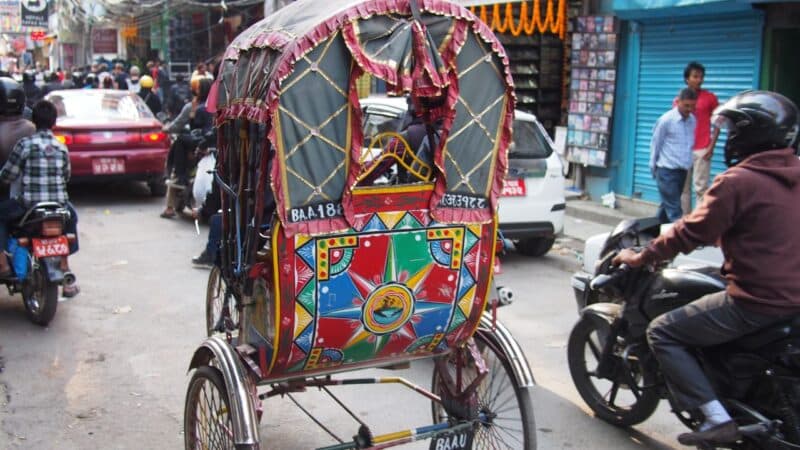
Like in any destination, it’s important to take precautions at night in Nepal to ensure your safety. Here are some tips to stay safe when out at night in Nepal:
- Stick to well-lit areas: Stay in well-lit areas and avoid walking in dark or unlit areas.
- Avoid walking alone: It’s best to avoid walking alone at night, especially in unfamiliar areas. If you must go out alone, let someone know your plans and when you expect to return.
- Use licensed taxis: Use licensed taxis or arrange transportation through your accommodation to avoid getting into an unmarked or unlicensed taxi.
- Keep your valuables safe: Keep your valuables, such as your phone, wallet, and passport, in a secure place on your person. Use a money belt or a secure bag to keep your valuables safe.
- Stay aware of your surroundings: Be aware of your surroundings and avoid distractions like your phone, especially in crowded areas.
- Avoid drinking too much alcohol: Drinking too much alcohol can impair your judgment and make you more vulnerable to crime or accidents.
By taking these precautions, you can enjoy a safe and enjoyable night out in Nepal. However, it’s important to note that crime can happen anywhere and at any time, so always be cautious and use common sense.
Is Nepal Safer Than India?
Both Nepal and India are generally safe countries to visit, but they do have their own unique safety challenges. The safety of a country can depend on various factors, such as the crime rate, political stability, natural disasters, and more.
In terms of crime, both Nepal and India have their own set of challenges. Petty theft, scams, and pickpocketing can happen in both countries, particularly in crowded areas. However, some areas in India, such as Delhi and Mumbai, have higher crime rates compared to Nepal.
Nepal is generally more politically stable compared to India, which has a history of political unrest and terrorism in certain regions. However, Nepal has faced political instability in the past, with occasional protests and strikes.
Both countries are also vulnerable to natural disasters such as earthquakes, floods, and landslides.
Overall, both Nepal and India are safe destinations for travelers, but it’s important to take precautions and be aware of potential risks.
It’s also advisable to research the specific areas you plan to visit and to consult with local authorities or trusted sources for the latest safety information.
Is It Safe To Trek Alone In Nepal?

Trekking alone in Nepal can be risky, particularly if you’re not familiar with the area and the terrain. The mountains here are very different to any you’ll find in Europe, and they are constantly changing and shifting.
We would highly recommend you take an experienced guide on any mountain treks you do here. They were passing a law that made it illegal to trek alone in the mountains just after we visited, and while that law might not be upheld very well it does show how dangerous the mountains can be.
Here are some things to consider before trekking alone in Nepal:
- Terrain: Nepal’s trekking trails can be challenging and remote, with high altitudes and steep slopes. Trekking alone in these areas can be dangerous, especially if you are not an experienced hiker.
- Safety: Trekking alone in Nepal can be risky, as you may not have anyone to turn to in case of an emergency. In the event of an injury or sickness, it may be difficult to get help, especially in remote areas.
- Navigation: Trekking alone in Nepal can be difficult if you’re not familiar with the area. It’s important to have good navigation skills and to be prepared with maps, GPS devices, and other tools.
- Wildlife: Nepal is home to various wildlife, including leopards, bears, and snakes. Trekking alone can put you at risk of encountering these animals, which can be dangerous.
- Weather: Nepal’s weather can be unpredictable, particularly in the higher altitudes. Trekking alone in bad weather conditions can be risky, especially if you’re not prepared with appropriate gear.
Overall, it’s advisable to trek with a guide or a group, especially if you’re not an experienced hiker or familiar with the area.
Having a guide can ensure your safety and provide a better overall trekking experience. If you do choose to trek alone, it’s important to take precautions, be prepared, and let someone know your plans and expected route.
Top Tips For Staying Safe In Nepal
Here are some top tips for staying safe in Nepal:
- Research your destination: Before you travel to Nepal, research your destination thoroughly, including the current safety situation and any travel advisories issued by your government.
- Avoid areas with high crime rates: Be cautious when traveling to areas with high crime rates, and avoid walking alone at night.
- Dress conservatively: Nepal is a conservative country, and it’s important to dress modestly, especially in religious sites and rural areas.
- Stay alert in crowds: Be alert and keep your belongings close to you in crowded areas, such as markets and public transport.
- Beware of scams: Beware of common scams, such as fake tour operators and beggars, and be cautious when exchanging money.
- Carry a copy of your passport and visa: Carry a copy of your passport and visa with you at all times, and keep the original in a safe place.
- Use reputable tour operators: Use reputable tour operators for trekking and other adventure activities, and ensure they have proper licenses and insurance.
- Be prepared for natural disasters: Nepal is prone to natural disasters such as earthquakes, floods, and landslides. Be prepared with emergency supplies, and stay up-to-date with the latest weather forecasts and safety advice.
- Learn some basic Nepali: Learning some basic Nepali phrases can be helpful when communicating with locals and getting around.
- Use common sense: Finally, use common sense and trust your instincts when traveling in Nepal. If something doesn’t feel right, don’t do it, and be cautious in unfamiliar situations.
Conclusion: Is Nepal Safe?

Overall, Nepal is a relatively safe country for tourists, with a low level of violent crime. However, travelers should be aware of the potential risks, including natural disasters, petty crime, and scams.
It’s important to research your destination before you travel, stay alert and vigilant in crowds, and use common sense to avoid potential dangers.
By following these simple precautions and being respectful of the local customs and culture, visitors to Nepal can have a safe and enjoyable trip.


