
Is London Safe To Visit In 2025
Many travelers may be wondering if London is safe to visit in 2023.
London is a vibrant and diverse city that attracts millions of visitors from all over the world every year. With its rich history, iconic landmarks, and bustling streets, it’s no wonder that London is a top tourist destination.
When it comes to safety, London is generally considered a safe city for tourists. The city has a well-developed infrastructure and a strong police presence, which helps to maintain a sense of security.
However, like any major city, London does have its share of crime. Visitors should take common-sense precautions to stay safe, such as avoiding walking alone at night in unfamiliar areas and keeping valuables secure. It’s also important to be aware of potential scams, especially in tourist areas.
Overall, while London may not be completely without risk, the city is generally safe for visitors. We’ve lived in London for most of our lives, and have written this post based on recent statistics, our own experiences, and that of our friends who live there.
Let’s take a look at whether or not London is a safe place to visit.

As an Amazon Associate, we earn from qualifying purchases. We also earn from other affiliate programs. This means we may receive a small commission on products purchased through our links at no extra cost to you.
Table of Contents
Is London Safe?
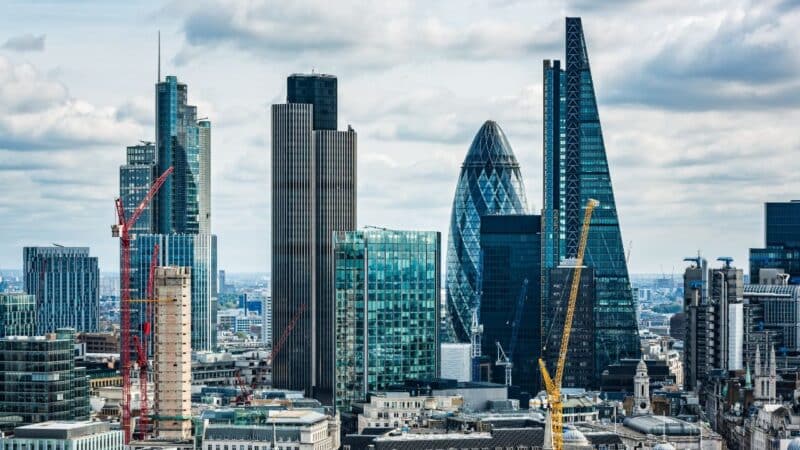
London, like any other large city, has its share of crime, but it is generally considered a safe city. The crime rate in London has been decreasing in recent years, and it is lower than many other major cities in the world.
According to a report by Numbeo, a crowd-sourced database, the safety index of walking alone in London is 66.87 out of 100, which is higher than cities like New York, Paris, and Los Angeles.
However, it’s important to be aware of your surroundings and take precautions, especially in busy tourist areas, at night, and on public transport. Pickpocketing and petty theft can be an issue, so it’s advisable to keep an eye on your belongings, especially in crowded areas.
The Metropolitan Police Service (MPS) is responsible for maintaining law and order in London. They have a visible presence on the streets and provide information and guidance to residents and tourists.
If you are ever in need of assistance, you can dial 999 (emergency) or 101 (non-emergency) to contact the police.
Overall, London is considered a safe city, but it’s always a good idea to take precautions and be aware of your surroundings.
Crime In London
London is a large city with a diverse population, and like any other major city, it experiences crime. However, the crime rate in London has been decreasing in recent years, and it is lower than many other major cities in the world.
According to the Office for National Statistics (ONS), the crime rate in London decreased by 4% in the year ending March 2020, compared to the previous year.
The most common types of crime in London are theft and handling, violence, and sexual offenses.
There has been a recent increase in knife crime, which is a concern for authorities. However, the police and other agencies are taking measures to address this issue, including increased stop and search operations and the implementation of anti-knife crime initiatives. The incidences of knife crime have dropped by 8%.
Overall, while London experiences crime like any other major city, it is considered a safe city overall, and the authorities are working to address any issues and ensure the safety of residents and visitors alike.
Avoiding Bad Neighborhoods

Although there are areas of London that experience higher crime rates than other areas, it is very unlikely that you, as a tourist, will end up in one of the ‘bad neighbourhoods’.
Central London, where you’ll find all the attractions, shops, and bars is visited by millions every year and we have never felt uncomfortable there.
If you venture into the outskirts of London you might find yourself in unfamiliar territories and sometimes feel uncomfortable. If this happens to you then simply hop on the tube and leave! It’s probably not very interesting there anyway!
Here are some tips on how to avoid bad neighborhoods in London.
- Do your research: Before you travel to London, do some research on the neighborhoods you plan to visit. Check out online resources, travel guides, and maps to get a sense of the area’s safety and reputation.
- Stick to tourist areas: London is a popular tourist destination, and many areas are safe and well-policed. Stick to well-lit and busy tourist areas, such as Covent Garden, Oxford Street, and Trafalgar Square.
- Avoid isolated areas: Avoid isolated areas, especially at night. Stick to well-lit and busy streets, and avoid alleys and side streets.
- Use public transport: London has an extensive public transport system, including buses and the underground (the tube). Stick to busy, well-lit stations, and avoid deserted stations late at night.
- Trust your instincts: If a neighborhood feels unsafe or uncomfortable, trust your instincts and leave the area. If you feel threatened, find a public place, such as a shop or restaurant, and ask for assistance.
Remember, while London is generally a safe city, it’s important to take precautions and be aware of your surroundings.
By following these tips and being vigilant, you can avoid bad neighborhoods and enjoy a safe and enjoyable trip to London.
Riots And Protests In London
London has a long history of protests, demonstrations, and civil unrest. While most protests in London are peaceful, there have been instances of violence and disorder, including riots.
The most recent major riots in London occurred in 2011, when riots broke out in several neighborhoods in response to the police shooting of a young man. The riots resulted in significant damage to property and injuries to both civilians and police officers.
London also frequently hosts large-scale protests and demonstrations, covering a wide range of issues from politics to social justice. The police are usually well-prepared for these events and work closely with protest organizers to ensure the safety of all involved.
If you happen to be in London during a protest or demonstration, it’s important to be aware of your surroundings and follow the advice of the police. Avoid getting too close to the protest, and do not engage in any confrontations or violent behavior.
Overall, while London has experienced riots and protests in the past, the vast majority of protests in the city are peaceful and well-organized, and the authorities work hard to ensure the safety of all involved.
Dangerous Animals in London
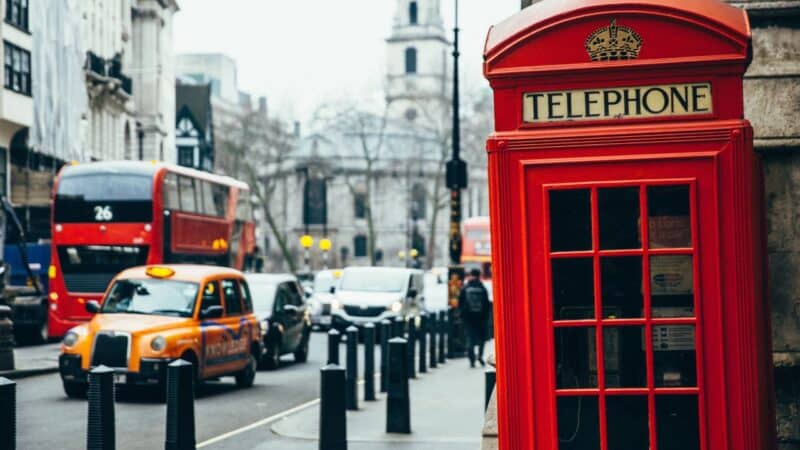
There are no dangerous animals in London that pose a significant threat to humans. London is a densely populated urban area, and most of its wildlife consists of birds, squirrels, foxes, and other small mammals that are not dangerous to humans.
The most significant potential danger to humans in London is from domestic pets, such as dogs, which can occasionally attack people. However, these incidents are rare, and most dogs are well-trained and under control of their owners.
In terms of wild animals, the only venomous snake found in the UK is the adder, which is not common in London and is generally found in rural areas. Similarly, while there are occasional sightings of exotic animals, such as snakes or large cats, these are almost always escaped pets and pose no significant threat to humans.
Overall, while London may not have the same wildlife as more rural areas, it is safe and relatively free of dangerous animals. Visitors and residents should always exercise caution and common sense, but there is no need to be overly concerned about wildlife in London.
The worst you’ll see is rats on the underground tracks!
How to spend 2 days in London
Natural Disasters in London
London is not generally known for natural disasters such as earthquakes, hurricanes, or tornadoes. However, the city has experienced flooding in the past, particularly along the River Thames.
In 1953, severe flooding caused by a combination of high tides and a storm surge resulted in significant damage and loss of life. More recently, in 2014, flooding affected parts of London and other areas of the UK.
While flooding is a potential risk in London, the city has implemented various measures to mitigate the impact of flooding, such as the Thames Barrier, a movable barrier that can be raised to protect the city from high tides and storm surges.
In addition to flooding, London can occasionally experience extreme weather conditions, such as heatwaves and heavy snowfall. However, these events are usually not severe enough to cause significant disruption or damage.
Overall, while London is not immune to natural disasters, the risks are relatively low compared to other parts of the world.
Travel Insurance in London

Travel insurance is an important consideration for anyone planning a trip to London, as it can provide protection and peace of mind in case of unexpected events.
Travel insurance typically covers a range of potential risks, such as medical emergencies, trip cancellations, lost or stolen luggage, and other unforeseen events.
When selecting travel insurance for a trip to London, it’s important to consider the specific risks and activities involved in your trip. For example, if you plan to participate in adventure sports or activities, you may need additional coverage to protect against injury or accidents.
We always use Safety Wing, an insurance specially designed for nomads with a range of cover to suit individual needs. It gets excellent reviews and after experiencing great customer service we feel confident they’re a reliable company.
When selecting a travel insurance policy, be sure to read the fine print carefully and understand the coverage and exclusions. Look for policies that provide adequate coverage for your needs and that have a good reputation for customer service and claims processing.
It’s also important to purchase travel insurance as early as possible. This ensures that you are protected in case of any unexpected events that may occur before or during your trip.
Overall, while travel insurance is an additional expense, it can provide important protection and peace of mind for travelers to London and other destinations around the world.
Frequently Asked Questions
As residents in London for years, these are some of the questions we get asked the most from tourists visiting the city.
What Part Of London Is The Safest?
London is generally a safe city with low levels of violent crime. However, crime rates can vary across different neighborhoods and boroughs.
According to the latest data from the Metropolitan Police, the borough with the lowest crime rate in London is Richmond upon Thames, followed by Kingston upon Thames.
These areas tend to have low levels of both violent and non-violent crime, but they are also outside of central London and probably not the best places to stay to explore.
Honestly, anywhere in central London close to the tourist attractions will almost certainly be safe. Look for hotels with great reviews and read the customer experiences.
If anyone mentions feeling uncomfortable then you can avoid that hotel, but it’s unlikely you’ll encounter anything untoward in the main tourist areas of London.
Check out this guide on where to stay in London for a first time visit to help you plan the best area to base yourself.
Is The United Kingdom A Safe Place To Visit?

Yes, the United Kingdom is generally a safe place to visit. The country has low levels of violent crime and terrorism, and it has a well-established infrastructure for visitors.
However, like any destination, it’s important to take some precautions to ensure your safety. For example, be aware of your surroundings and belongings, especially in crowded areas, and avoid walking alone at night in certain areas of cities.
It’s also worth noting that the UK is a relatively large country with diverse regions, each with its own unique safety considerations.
For example, some rural areas may have fewer streetlights and more narrow roads, while some urban areas may have higher levels of petty crime.
In general, if you take basic safety precautions and follow local laws and customs, you should have a safe and enjoyable visit to the United Kingdom.
Is It Safe To Travel Alone In London?
Yes, it is generally safe to travel alone in London, as the city has a low crime rate compared to many other major cities around the world. However, like any large city, it’s important to take certain precautions to ensure your safety.
Here are some tips for staying safe while traveling alone in London:
- Plan your route ahead of time and make sure you have a map or directions on your phone. Stick to well-lit, busy streets and avoid walking alone at night in areas that you’re not familiar with.
- Be aware of your surroundings and keep an eye on your belongings. Pickpocketing and other forms of petty theft can occur, especially in crowded areas like tourist attractions and public transportation.
- If you’re using public transportation, try to sit or stand near other people and avoid empty carriages or platforms.
- Trust your instincts. If you feel uncomfortable or unsafe in a particular situation, try to remove yourself from it as quickly as possible.
Overall, London is a safe city for solo travelers, but it’s important to remain vigilant and take basic safety precautions.
For visitors from abroad, remember that pepper spray is classed as a firearm in England and it is illegal to carry!
How Safe Is London At Night?

London is generally a safe city at night, but it’s important to take precautions, especially if you are walking alone or in areas that you are not familiar with. Here are some tips for staying safe in London at night:
- Stick to well-lit, busy areas: Try to stay on well-lit, main roads and avoid walking through quiet or poorly lit areas, especially if you’re alone.
- Be aware of your surroundings: Keep an eye out for any suspicious activity or people who might be following you. Trust your instincts and try to remove yourself from any situation that doesn’t feel safe.
- Plan your route ahead of time: Make sure you know where you’re going and plan your route in advance. If possible, travel with a friend or take public transportation.
- Use licensed taxis or ride-sharing services: If you’re traveling alone and need to take a taxi, use a licensed taxi or a reputable ride-sharing service like Uber.
- Avoid excessive drinking: Drinking too much alcohol can impair your judgment and make you more vulnerable to crime.
We have never experienced any problems in London at night, and we’ve spent a lot of our ill-advised youth wandering the city streets, dodging from one bar to the next!
That doesn’t mean it’s the case for everyone, but it is unlikely that you’ll run into any problems (bar witnessing the occasional bar brawl) if you stick to busy and well-lit areas.
Is London Safe For A Girl?
Yes, London is generally safe for girls and women. I have always been a little more cautious when traveling London alone at night, just as I would be anywhere, but I have never felt unsafe. Here are some tips for girls and women traveling in London:
- Stick to well-lit, busy areas: I avoid the walkways under bridges when I’m alone at night, unless they are especially busy!
- Be aware of your surroundings: Trust your instincts and try to remove yourself from any situation that doesn’t feel safe.
- Plan your route ahead of time: Know which route you’re going to take. If possible, travel with a friend or take public transportation.
- Use licensed taxis or ride-sharing services: It’s a good idea to just grab a licensed taxi rather than walk alone of you don’t know the area. Uber has a tracking system where you can share your route with a friend, so this is a great option if you’re nervous.
- Dress appropriately: While London is a relatively liberal city, it’s still a good idea to dress appropriately and respect local customs. Certain religious buildings will require a certain dress code.
- Avoid excessive drinking: Drinking too much alcohol can impair your judgment and make you more vulnerable to crime.
Is The Tube Safe At Night?
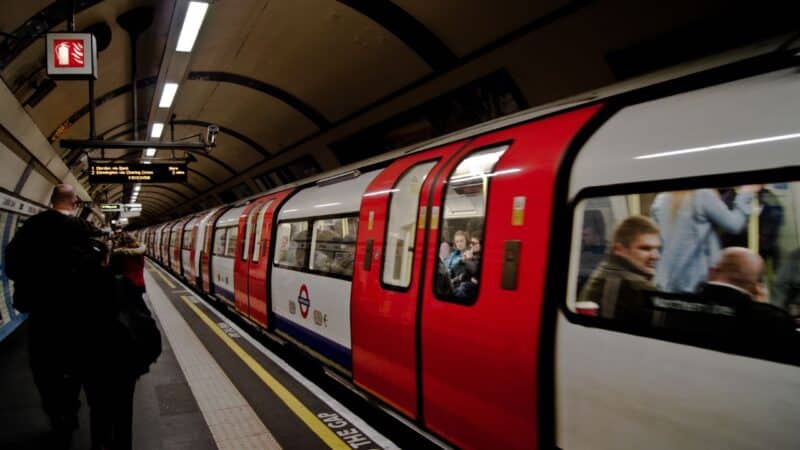
Yes, the London Underground (also known as the Tube) is generally safe at night and many people use it. There are reports of bad things happening on the London Underground at night, but these tend to be few and far between.
Here are some tips for staying safe on the Tube at night:
- Use well-lit, busy stations: Stick to well-lit, busy stations and avoid using quiet or poorly lit stations, especially if you’re traveling alone.
- Use the closest carriage to the driver: If possible, try to sit in the carriage closest to the driver. This carriage usually has CCTV cameras and may have a member of staff on board.
- Sit near other people: Try to sit or stand near other people, especially if you’re traveling alone. Avoid empty carriages or platforms.
- Be prepared: Make sure you know your route and have your Oyster card or ticket ready before you reach the ticket barrier. This can help you avoid delays or confusion that might put you in a vulnerable situation.
How Safe Is Kensington, London?
Kensington is generally considered a safe area of London, with a low crime rate compared to many other areas of the city.
It’s a popular residential area, as well as a tourist destination, with many attractions like Kensington Palace and the Victoria and Albert Museum.
Incredible London hotels with a view
Top Tips For Staying Safe In London

Be aware of your surroundings: Stay alert and aware of what’s happening around you, especially in crowded areas or at night. Try to avoid wearing headphones or looking at your phone while walking on the street.
Use public transportation: London has an extensive public transportation network, including the Tube, buses, and trains. Use these options whenever possible, especially at night, and avoid walking alone in unfamiliar areas.
Keep your valuables safe: Be mindful of your belongings and keep them secure at all times. Avoid carrying large amounts of cash or wearing expensive jewelry. Check out this packing list for London.
Stick to well-lit areas: Try to stick to well-lit and busy areas, especially at night. Avoid walking through parks or alleys alone.
Be cautious when using ATMs: Use ATMs in well-lit and busy areas, and cover the keypad when entering your PIN.
Stay with your group: If you’re out with friends or family, try to stay together as a group and look out for each other.
Be cautious when accepting help from strangers: If someone offers to help you, be cautious and use your judgment. If you feel uncomfortable, politely decline and move on.
Know emergency numbers: Make sure you know the emergency numbers for the UK, such as 999 for emergencies and 101 for non-emergencies.
Plan your stay: Read up on things like the best time to visit England, is London in Europe, (and the best London hotels with a rooftop pool!) so you really know what to expect from your visit.
Conclusion: Is London Safe?
In conclusion, London is generally considered a safe city for tourists. While it does have its share of crime and safety concerns, such as pickpocketing and scams, the city has a well-developed infrastructure and a strong police presence to maintain safety.
Travelers can stay safe by taking common-sense precautions, such as avoiding walking alone at night in unfamiliar areas and keeping valuables secure.
By staying aware and following safety guidelines, visitors can enjoy all that London has to offer without compromising their safety.