Is Sri Lanka Safe To Visit In 2025
Are you planning a trip to Sri Lanka but wondering if it’s a safe destination? With recent events and news stories, it’s understandable to have concerns.
We traveled throughout Sri Lanka in 2018 and had the most amazing trip. We never once felt threatened or worried about our safety, and other than the usual safety precautions we would always take when traveling somewhere unfamiliar, we took no special action to keep safe.
Obviously things have changed a little since then, which might be why you’re searching for answers as to whether or not Sri Lanka is a safe place to travel to.
In this blog post, we’ll explore the question, “Is Sri Lanka safe?” and provide you with the information you need to make an informed decision.
✔ Don’t forget your travel insurance! We use Safety Wing and highly recommend it. With insurance designed for frequent travelers and digital nomads, it ticks all the right boxes. ✔
First, let’s address some of the recent events that may have raised concerns about safety in Sri Lanka. In 2019, there were a series of bombings that targeted churches and hotels, killing over 250 people.
This was a devastating tragedy that left the country and the world in shock. However, it’s important to note that this was an isolated incident and not representative of everyday life in Sri Lanka.
Since then, the Sri Lankan government has taken measures to increase security and prevent similar incidents from happening again. The country’s security forces have been strengthened, and there are increased security checks at airports, train stations, and other public places.
As a result, the overall safety situation in Sri Lanka has improved. There are currently no guidelines from the government to avoid travel to Sri Lanka, but you should check updated advice before you travel as things can change quickly.
It’s important to remember that no destination is 100% safe.
Petty crime, such as pickpocketing and theft, can still occur in tourist areas and you should bear in mind that the recent global events have affected Sri Lanka, with shortages of food and electricity throughout the country.
Another factor to consider is natural disasters. Sri Lanka is prone to earthquakes, floods, and landslides, particularly during the monsoon season from May to September. It’s important to be aware of the weather conditions and any potential hazards when planning your trip.
We’ll take a closer look at whether or not Sri Lanka is a safe country to travel to so that you can make an informed decision before you book your trip.

As an Amazon Associate, we earn from qualifying purchases. We also earn from other affiliate programs. This means we may receive a small commission on products purchased through our links at no extra cost to you.
Table of Contents
Is Sri Lanka Safe?

Sri Lanka is a tropical paradise that has long been a popular tourist destination. With its lush landscapes, rich cultural heritage, and stunning beaches, it’s no surprise that visitors from all over the world flock to this island nation.
However, as with any travel destination, safety is always a top concern. So, is Sri Lanka safe?
The answer is yes, generally speaking. Sri Lanka is considered a safe country to visit, with a relatively low crime rate compared to many other countries. However, as with any destination, there are some potential safety concerns that travelers should be aware of.
One of the main safety concerns in Sri Lanka is road accidents, and honestly, we can see why. Sri Lanka has one of the highest rates of road accidents in the world, due in part to poor road conditions and reckless driving.
Catching taxis places was an experience, and not always a pleasant one. They drive very differently to drivers in Europe or the States.
If you plan to travel around Sri Lanka by car or motorbike, it’s important to take precautions such as wearing a helmet and choosing a reputable rental company.
Another potential safety concern in Sri Lanka is natural disasters. The country is located in a region that is prone to earthquakes, tsunamis, and cyclones, so travelers should be aware of the risks and take precautions such as monitoring weather alerts and following evacuation orders if necessary.
Finally, there is the issue of political unrest. Sri Lanka has a complex political history, and there have been periods of violence and civil unrest in the past.
The global situation hasn’t helped matters, and although it is unlikely to affect tourists, travelers should stay informed about any potential risks and follow the guidance of local authorities and travel advisories issued by their home country.
Despite these potential safety concerns, Sri Lanka remains a popular and safe travel destination for visitors from around the world.
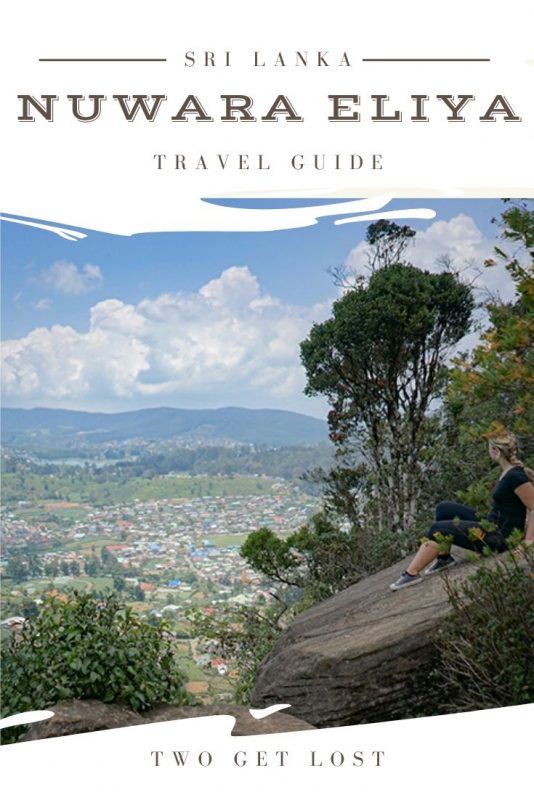
If you have any real concerns then we suggest you stick to the main tourist destinations and the smaller towns and villages such as Ella and Nuwara Eliya, where there is less likely to be riots and protests.
Crime In Sri Lanka
It’s worth noting that Sri Lanka is generally a safe destination for tourists. The country has a relatively low crime rate, especially when compared to other popular tourist destinations.
However, as with any country, there are certain areas that may be more prone to crime than others. Tourists are advised to take precautions, such as avoiding unlit and isolated areas at night, not carrying large sums of money or valuable items, and being aware of their surroundings.
Petty crime, such as theft and pickpocketing, can occur in tourist areas. It’s important to keep your belongings close and be aware of your surroundings, particularly in crowded areas such as markets and public transport.
There have been isolated incidents of violent crime, particularly in rural areas. Tourists are advised to avoid political demonstrations or protests and to be cautious when traveling in remote areas, particularly at night.
In conclusion, while Sri Lanka is generally a safe destination for tourists, it’s important to take precautions and be aware of potential risks. By doing so, you can enjoy all that Sri Lanka has to offer with peace of mind.
Avoiding Bad Neighborhoods
It’s always a good idea to be aware of your surroundings and take precautions when traveling to any destination. In Sri Lanka, as with any country, there may be certain areas that are known to have higher crime rates or be less safe for tourists.
One way to avoid potential danger is to do research on the areas you plan to visit before your trip. This can include reading up on local news and forums, as well as consulting with your hotel or tour operator. They may be able to provide you with information on which areas to avoid and how to stay safe.
If you do find yourself in an unfamiliar area and feel uncomfortable or unsafe, trust your instincts and leave the area immediately. It’s always better to err on the side of caution and prioritize your safety.
Another way to stay safe is to travel in a group or with a trusted local guide. They can provide you with insider knowledge of the area and help you navigate unfamiliar neighborhoods.
In conclusion, while it’s important to be aware of potential safety concerns when traveling to any destination, it’s equally important to approach the topic with sensitivity and accuracy. Y
ou are unlikely to stumble into a bad neighbourhood, but you can minimise the risks by doing a little research before your trip.
Riots And Protests In Sri Lanka
Sri Lanka has seen its share of political unrest and protests in recent years. While most of these events have been peaceful, there have been incidents of violence and clashes between protesters and law enforcement.
It’s important to stay informed about any ongoing protests or unrest, and to avoid these areas if possible. If you do find yourself in the vicinity of a protest, remain calm and avoid any confrontations. Follow the instructions of local authorities and seek shelter or leave the area if necessary.
It’s also a good idea to monitor local news and social media for updates on any potential unrest or protests. This can help you make informed decisions about your travel plans and avoid any potential danger areas.
In the event of a major incident, it’s important to contact your embassy or consulate for assistance. They can provide you with important information and support during a crisis.
In conclusion, while most protests and unrest in Sri Lanka have been peaceful, it’s important to stay informed and take precautions when traveling in the country.
Dangerous Animals in Sri Lanka

When traveling to Sri Lanka, it’s important to be aware of the potential dangers posed by the local wildlife. While Sri Lanka is home to many beautiful and fascinating animals, there are a few that can be dangerous to humans.
One of the most well-known dangerous animals in Sri Lanka is the venomous snake. Sri Lanka is home to several species of venomous snakes, including the Russell’s viper and the cobra.
These snakes can be found in rural areas, particularly in the jungle or forested regions of the country. It’s important to be aware of your surroundings and avoid walking in areas where snakes are known to live.
If you do encounter a snake, do not approach it and seek help from a local guide or wildlife expert. We saw a rattlesnake on our Knuckles Mountain trek and it was an incredible experience. Our local guide made sure we were safe while we observed it.
Another potentially dangerous animal in Sri Lanka is the elephant, and the locals will be very keen to warn you of them. While elephants are generally peaceful creatures, they can become aggressive if they feel threatened or provoked.
We were told not to head out at night in Sigiriya because a herd of elephants had been known to be aggressive if startled at night. The locals were very keen to keep us safe.
It’s important to maintain a safe distance from elephants, particularly in areas where they are known to congregate, such as national parks or other wildlife reserves. You might be advised by locals not to head out on foot at night for risk of startling and provoking the elephants.
Follow all advice you get!
In addition to snakes and elephants, Sri Lanka is also home to several species of spiders, including the venomous funnel-web spider. While the likelihood of encountering a venomous spider is relatively low, it’s still important to be aware of your surroundings and take precautions when entering areas where spiders are known to live.
While the monkeys in Sri Lanka are hilarious to watch it’s a good idea to keep some distance between you. Monkeys can be protective of their young, and they have also learnt that tourists are a great source of food.
A scratch from a monkey can be painful at best, and will usually require a rabies jab (not something you want to add to your list of travel experiences!)
To stay safe when encountering wildlife in Sri Lanka, use common sense and be aware of potential dangers. Always follow the advice of local guides and wildlife experts, and avoid approaching or provoking any wild animals.
As travelers coming from a country with little to none dangerous animals it was a little daunting heading to a country with so many, but once we were there we never felt threatened. Just a little common sense is needed to make sure you don’t encounter the local wildlife in the wrong kind of way!
Natural Disasters in Sri Lanka
Sri Lanka is a beautiful country with a tropical climate and is known for its stunning beaches and lush jungles. However, this also means that the country is prone to natural disasters such as floods, landslides, and cyclones.
It’s important to be aware of these risks when planning your trip to Sri Lanka.
Floods are a common occurrence in Sri Lanka, particularly during the monsoon season which runs from May to September.
This can lead to flash flooding in low-lying areas, which can be dangerous for travelers. If you’re visiting Sri Lanka during this time, it’s important to stay informed about any potential flood warnings and to avoid traveling to areas that are prone to flooding.
Landslides are also a risk in Sri Lanka, particularly in hilly areas such as the central highlands. These can be triggered by heavy rains, earthquakes, or other natural events. It’s important to be aware of any potential landslide warnings and to avoid traveling to areas that are at risk.
Cyclones are a risk in Sri Lanka, particularly in the coastal areas. These can bring heavy rains, strong winds, and storm surges, which can be dangerous for travelers.
If you’re visiting Sri Lanka during cyclone season, which typically runs from November to April, it’s important to stay informed about any potential cyclone warnings and to avoid traveling to areas that are at risk.
To stay safe during natural disasters in Sri Lanka, it’s important to stay informed about any potential risks and to follow the advice of local authorities. This can include evacuating to a safe location, stocking up on essential supplies, and avoiding travel to areas that are at risk.
Travel Insurance in Sri Lanka

Travel insurance is an important consideration for anyone planning a trip to Sri Lanka. While it’s always better to be safe than sorry, it’s especially important when traveling to a foreign country with potential risks and hazards.
We always use Safety Wing for our travel insurance, and we would never go abroad without it. Safety Wing is rated highly by frequent travelers and digital nomads, and is well worth checking out.
Travel insurance can cover a range of issues, including medical emergencies, trip cancellations, lost or stolen baggage, and even emergency evacuation. In Sri Lanka, where natural disasters and other unforeseen events can occur, having travel insurance can provide peace of mind and financial protection.
When choosing a travel insurance policy for Sri Lanka, it’s important to make sure that the policy covers any potential risks and hazards you may encounter during your trip. This can include coverage for medical expenses, emergency evacuation, and natural disasters such as floods or landslides.
It’s also important to read the policy carefully and understand what is covered and what is not. Some policies may have restrictions or exclusions for certain activities or destinations, so it’s important to make sure you’re fully covered for all aspects of your trip. If you’re keen to do scuba diving, for example, then make sure it’s covered in your policy.
When purchasing travel insurance, it’s also important to consider the length of your trip, the type of activities you’ll be doing, and the value of your belongings. This can help you determine the level of coverage you need and the cost of the policy.
In conclusion, travel insurance is an important consideration for anyone planning a trip to Sri Lanka. By choosing a policy that covers potential risks and hazards, reading the policy carefully, and considering the length and nature of your trip, you can have peace of mind and financial protection in the event of an emergency or unexpected event.
Make sure you book travel insurance well in advance of your trip
Frequently Asked Questions
Here are some of your most commonly asked questions answered!
Is Sri Lanka Safe For Female Travellers?
Sri Lanka is generally a safe country for female travelers, but like any destination, it’s important to take certain precautions to ensure your safety.
I never once felt unsafe while traveling here, and often ventured out without Adam, but there have been reports of females getting harassed or assaulted in Sri Lanka. In fact, I have recently seen quite a few reports of this on forums and it always makes me sad.
It’s important to be aware of this, but also to remember that it is sadly the case for many countries. Most of the reports on forums I have seen have been from female travelers getting harrassed on public transport, so this is something you could avoid if you wanted to be cautious.
Here are some tips for female travelers visiting Sri Lanka:
Dress conservatively: Sri Lanka is a conservative country, and it’s important for female travelers to dress modestly to avoid unwanted attention. Now isn’t the time to rebel against what Westerners might consider outdated practices.
Remember you are no longer in your own country, so no matter your feelings about being able to express yourself freely (we’re with you), you should respect the country you’re visiting. It’s not worth risking your safety and an enjoyable few weeks away.
Covering your shoulders and legs is generally considered appropriate, especially when visiting religious or cultural sites.
Avoid walking alone at night: Like in any destination, it’s important to avoid walking alone at night, especially in secluded or dimly lit areas. Consider taking a taxi or ride-sharing service if you need to travel at night.
I have to admit that I did walk alone at night but only in well-lit areas that I knew would be busy.
Research your accommodations: Before booking accommodations, research the safety of the area and read reviews from other travelers. Consider staying in a well-lit and secure area, and always lock your door when inside your room.
You might feel safer staying in hotels rather than homestays. They are more likely to have staff available 24/7, private rooms, and other tourist conveniences that will help you feel safer.
Use licensed transportation: Avoid taking public transportation at night, especially alone. Instead, use licensed taxis or pre-booked transportation for longer journeys.
It’s a good idea to book a driver through a well-reviewed and respected website like Viator. This way you can check on other people’s experiences of the driver and feel more reassured you’ll be in safe hands.
Probada has 90 reviews and 5*s with a huge number of reviews on his transport services.
Be cautious with strangers: Avoid accepting drinks or food from strangers, and be wary of anyone who approaches you with unsolicited offers or requests. It’s also important to avoid giving out personal information or details of your travel plans to strangers.
Trust your instincts: If something doesn’t feel right, trust your instincts and remove yourself from the situation. Always be aware of your surroundings and take appropriate precautions to ensure your safety.
Is It Safe To Travel To Sri Lanka From The UK?

At the moment, travel to Sri Lanka from the UK is subject to certain restrictions and guidelines due to the ongoing COVID-19 pandemic.
If you do choose to travel to Sri Lanka from the UK, it’s important to be aware of the current entry requirements and restrictions in place. This can include providing proof of a negative COVID-19 test, undergoing quarantine or self-isolation, and adhering to local guidelines and regulations.
Additionally, it’s important to research the safety and security situation in Sri Lanka before you travel.
While the country is generally safe for tourists, there have been occasional incidents of civil unrest and terrorist attacks in the past. It’s important to stay up-to-date on current events and travel advisories and to exercise caution and common sense while traveling in Sri Lanka.
In conclusion, while travel to Sri Lanka from the UK is subject to certain restrictions and guidelines, it is possible to travel to Sri Lanka with careful planning and preparation.
Be sure to research current entry requirements and restrictions, stay up-to-date on local safety and security situations, and exercise caution and common sense while traveling in Sri Lanka.
You can check all up-to-date government guidelines here.
Is It Safe To Transit Through Colombo Airport?
Yes, it is generally safe to transit through Colombo’s Bandaranaike International Airport. The airport is well-maintained and has modern facilities, and there are security measures in place to ensure the safety of passengers and their belongings.
However, like any airport, it’s important to remain vigilant and take certain precautions to ensure your safety. Here are some tips to keep in mind when transiting through Colombo airport:
- Keep your belongings with you at all times: Ensure that your bags and belongings are within your sight and reach at all times. Do not leave your bags unattended or with strangers.
- Be wary of offers of help: Be cautious of strangers offering to help you with your bags or with other tasks. These offers could be genuine, but they could also be attempts to steal from you or scam you.
- Follow airport security procedures: Make sure to follow all airport security procedures, including passing through metal detectors and having your bags screened.
- Be mindful of your surroundings: Stay aware of your surroundings and the people around you. If you notice anything suspicious or unusual, report it to airport security.
- Research visa requirements: If you need a visa to enter Sri Lanka, ensure that you have obtained the necessary visa before your trip. Failure to do so could result in being denied entry or transit through the airport.
In conclusion, Colombo’s Bandaranaike International Airport is generally safe to transit through, but it’s important to remain vigilant and take necessary precautions to ensure your safety.
By keeping your belongings with you, being wary of offers of help, following airport security procedures, being mindful of your surroundings, and researching visa requirements, you can have a safe and stress-free transit through Colombo airport.
Can You Drink The Water In Sri Lanka?
It is generally not recommended to drink tap water in Sri Lanka, as it may contain harmful bacteria and parasites that can cause stomach illnesses. Instead, it’s advisable to drink bottled water or use a water filter or purification tablets to ensure that the water is safe to drink.
Many hotels and restaurants in Sri Lanka provide bottled water or have filtration systems in place, so it’s usually easy to find safe drinking water while traveling in the country.
Be sure to check the seal of the water bottle before drinking, as some unscrupulous vendors have been known to refill used bottles with tap water.
In addition to drinking safe water, it’s also important to practice good hygiene to prevent illness. This includes washing your hands regularly with soap and water or using hand sanitizer, especially before eating or handling food.
We decided not to drink the local water, or even wash our teeth with it, and we were lucky to avoid any stomach bugs during our travels. Don’t get caught out with the ice either! You can ask if it’s from bottled water as most tourist establishments are aware our fragile stomachs aren’t strong enough!
In conclusion, it is not recommended to drink tap water in Sri Lanka due to the risk of illness-causing bacteria and parasites. Instead, opt for bottled water or filtered water, and practice good hygiene to stay healthy while traveling in Sri Lanka.
Do I Need Malaria Tablets For Sri Lanka?
The risk of malaria in Sri Lanka is generally low, especially in the main tourist areas. However, there are some areas in Sri Lanka where malaria transmission still occurs, particularly in the northern and eastern regions of the country.
The risk of malaria transmission can also increase during the rainy season.
If you plan to travel to areas where malaria is present, it’s important to take appropriate precautions to prevent malaria. This may include taking malaria prophylaxis medication, such as atovaquone-proguanil, doxycycline, or mefloquine.
However, it’s important to note that these medications have potential side effects, and they may not be suitable for everyone. You should speak with a healthcare professional or travel health clinic to discuss your individual risk of malaria and whether malaria prophylaxis medication is appropriate for you.
In addition to taking medication, it’s also important to take other precautions to avoid mosquito bites, which can transmit malaria. This may include wearing long sleeves and pants, using insect repellent, and sleeping under mosquito nets. You’ll want to do this anyway, as those pesky things leave a nasty bite!
In conclusion, the need for malaria medication in Sri Lanka depends on your individual travel itinerary and risk factors. If you plan to travel to areas where malaria is present, speak with a healthcare professional or travel health clinic to determine whether malaria medication is appropriate for you.
Additionally, take other precautions to avoid mosquito bites to further reduce your risk of malaria.
Do Brits Need A Visa For Sri Lanka?

Yes, British citizens require a visa to enter Sri Lanka, regardless of the purpose of their visit. The Sri Lankan government offers several types of visas, including short-term tourist visas, business visas, transit visas, and longer-term visas for those planning to work, study, or reside in the country.
British citizens can apply for a Sri Lankan visa online through the Electronic Travel Authorization (ETA) system. The ETA is a simple and easy process that allows travelers to obtain a visa quickly and easily without the need to visit a Sri Lankan embassy or consulate.
To apply for an ETA, British citizens need a valid passport, a valid email address, and a credit or debit card to pay the visa fee.
The application process is straightforward and typically takes just a few minutes to complete. Once approved, the ETA is electronically linked to the traveler’s passport and allows entry to Sri Lanka for up to 30 days.
Make sure you book your visa well in advance to ensure it has time to come through before you travel.
It’s important to note that the visa requirements for Sri Lanka may change at any time, so it’s a good idea to check with the Sri Lankan embassy or consulate or a reputable travel agent before making travel plans to ensure that you have the correct visa for your trip.
In conclusion, British citizens need a visa to enter Sri Lanka, and the easiest way to obtain a visa is through the Electronic Travel Authorization (ETA) system.
The ETA allows travelers to apply for a visa quickly and easily online, without the need to visit a Sri Lankan embassy or consulate. It’s important to check the visa requirements before making travel plans, as these requirements may change at any time.
Top Tips For Staying Safe In Sri Lanka
Sri Lanka is a beautiful country with a rich cultural heritage and breathtaking landscapes. While it’s generally a safe destination for travelers, like any foreign country, it’s important to take certain precautions to ensure your safety. Here are some top tips for staying safe in Sri Lanka:
- Research your destination: Before traveling to Sri Lanka, it’s important to research your destination and be aware of any potential risks and hazards. This can include natural disasters, crime hotspots, and cultural customs and traditions.
- Keep your valuables secure: Petty theft can occur in Sri Lanka, especially in crowded tourist areas. It’s important to keep your valuables such as passports, cash, and electronics secure and out of sight. Consider using a money belt or secure bag to keep your valuables safe.
- Use licensed transportation: While public transportation is available in Sri Lanka, it’s often crowded and can be unsafe, especially for solo travelers. Consider using licensed taxis or pre-booked transportation for longer journeys.
- Be cautious when interacting with strangers: While most Sri Lankans are friendly and welcoming to tourists, it’s important to exercise caution when interacting with strangers. Avoid accepting drinks or food from strangers and be wary of anyone who approaches you with unsolicited offers or requests.
- Dress appropriately: Sri Lanka is a conservative country, and it’s important to dress appropriately, especially when visiting religious or cultural sites. Women should cover their shoulders and legs, and men should avoid wearing shorts and sleeveless shirts.
- Follow local customs and traditions: Sri Lanka has a rich cultural heritage, and it’s important to respect local customs and traditions. This can include removing your shoes when entering temples or homes, avoiding public displays of affection, and not taking photographs of religious or cultural sites without permission.
Conclusion: Is Sri Lanka Safe?

In conclusion, while there have been recent events that have raised concerns about safety in Sri Lanka, the country has taken measures to improve security and prevent similar incidents from occurring.
As with any destination, it’s important to take precautions and be aware of potential risks, but Sri Lanka is such a beautiful country that you won’t mind doing a little extra research before you travel.