
Why Is Charleston So Famous 2025?
Wondering why is Charleston so famous?
Charleston, South Carolina is a city with a rich history and a unique charm that has captured the hearts of visitors from all over the world. Known for its stunning natural beauty, iconic architecture, and vibrant culture, Charleston has become one of the most popular tourist destinations in the United States.
But what makes Charleston so famous? This question has puzzled many people, and the answer lies in the city’s fascinating history, its unique blend of cultures, and the experiences it offers visitors.
Charleston played a significant role in American history, serving as a key location in both the American Revolution and the Civil War. Today, the city’s history is preserved in its stunning architecture, museums, and monuments, providing a glimpse into the past.
Beyond its history, Charleston’s vibrant culture and unique blend of Southern charm and coastal beauty make it a truly unforgettable destination. Visitors can explore the city’s world-class restaurants, experience its thriving arts scene, and take in the breathtaking natural beauty that surrounds it.
In this blog post, we will explore why Charleston is so famous, diving into the city’s history, culture, and unique experiences.
Whether you’re planning a trip to Charleston or just curious about this beloved city, read on to discover what makes it so special.
If you’re planning a visit then check out the best time to visit Charleston.

As an Amazon Associate, we earn from qualifying purchases. We also earn from other affiliate programs. This means we may receive a small commission on products purchased through our links at no extra cost to you.
Table of Contents
- Why is Charleston famous?
- What Is Charleston SC Most Known For?
- Why Is Charleston So Historic?
- Is Charleston A Foodie City?
- Why Is Charleston Called The Holy City?
Why Is Charleston Famous?

Charleston has played an important role in American history, from the American Revolution to the Civil War, and was a major port for the slave trade.
Today, Charleston is a popular tourist destination, attracting visitors from all over the world to experience its unique blend of Southern charm, historic landmarks, beaches, and cuisine.
The city’s well-preserved architecture, cobblestone streets, and lively arts and culture scene also add to its fame and appeal.
Let’s take a look at just why Charleston is so famous.
Civil War Battle Sites
Charleston, South Carolina was a major battleground during the American Civil War, and today it is home to several historic sites that commemorate the struggles and sacrifices made during that time. Here are some of the most significant Civil War battle sites in Charleston:
- Fort Sumter National Monument: This site marks the location where the first shots of the Civil War were fired on April 12, 1861. The Confederate army bombarded the fort, which was occupied by Union troops, for 34 hours until they were forced to surrender. Today, visitors can take a boat tour to the fort and explore the museum exhibits and artifacts on display. It’s one of the best things to do in Charleston.
- Battery Wagner: This fortification, located on Morris Island, was the site of a fierce battle on July 18, 1863. The Union army attempted to capture the fort, which was defended by Confederate troops, but suffered heavy losses. The battle is perhaps best known for the role played by the 54th Massachusetts Volunteer Infantry, one of the first African American regiments to fight in the war.
- Magnolia Cemetery: This cemetery is the final resting place of many soldiers who fought in the Civil War, including Confederate General Pierre Gustave Toutant Beauregard. Visitors can take a self-guided tour of the cemetery to learn more about the soldiers and their stories.
- The Hunley: The H.L. Hunley was a Confederate submarine that played a pivotal role in the war. On February 17, 1864, the Hunley attacked and sank the Union ship Housatonic, becoming the first submarine in history to sink an enemy vessel. The Hunley itself was lost at sea for more than a century before being recovered and restored, and today it can be viewed at the Warren Lasch Conservation Center.
These Civil War battle sites in Charleston offer a glimpse into the challenges and triumphs of this significant time in American history, and provide an opportunity for visitors to honor those who fought and sacrificed during that time.
Plantations

Charleston SC is home to several historic plantations that offer a glimpse into the area’s rich agricultural history and the role that plantations played in shaping the region’s culture and economy.
Each of the plantations is unique and has something different to offer. If you have the time we would highly recommend you try to visit at least one of Charleston’s famous plantations.
Here are some of the most notable plantations in Charleston:
Boone Hall Plantation
This plantation is perhaps best known for its long avenue of oak trees, one of the area’s most photographed spots. Boone Hall was founded in 1681 and today offers tours of the plantation home, slave cabins, and gardens, as well as a butterfly pavilion and a petting zoo.
Buy your ticket for Boone Hall here
Magnolia Plantation and Gardens
Founded in 1676, Magnolia Plantation is one of the oldest plantations in the South. Today, visitors can tour the plantation home, slave cabins, and gardens, which feature a wide variety of flowers, plants, and trees.
Middleton Place
Middleton Place was founded in the 18th century and is known for its beautiful gardens, which include formal and informal areas, as well as the oldest landscaped gardens in the country. Visitors can tour the plantation home, as well as the stableyards and other outbuildings.
You can even book a stay in the beautiful Middleton Place grounds.
Buy your ticket to Middleton Place here
Drayton Hall
Drayton Hall is one of the few surviving pre-Revolutionary War plantations in the country. The plantation home, which was built in the mid-18th century, has been preserved in its original state and offers a unique glimpse into the architecture and lifestyle of the period.
Buy your ticket to Drayton Hall here
These plantations in Charleston offer visitors a chance to learn about the area’s history, including its agricultural past and the role of slavery in the region’s economy. They also offer a chance to appreciate the beauty of the Lowcountry and its rich cultural heritage.
Slavery
Charleston has some dark history which you might not guess from simply walking the pretty, pastel coloured streets.
Charleston has a complex history with slavery, as it was one of the largest slave ports in the United States during the 18th and 19th centuries.
The city’s economy was largely based on the cultivation of crops such as rice and cotton, which were heavily dependent on slave labor.
Charleston was a major hub for the transatlantic slave trade, with an estimated 40% of enslaved Africans brought to North America passing through the city. Many were sold at auctions in the city’s bustling slave markets, such as the Old Slave Mart Museum.
Slaves played a critical role in the city’s economy and society, working in a wide range of jobs such as field laborers, artisans, and domestic servants. Many lived and worked at the plantations which have some tasteful memorials and exhibitions in their grounds.
Despite the harsh conditions they faced, slaves often developed their own cultural traditions and forms of resistance, such as the Gullah language and the creation of the underground railroad.
The Civil War brought an end to slavery in the United States, but the legacy of slavery and racism continued in Charleston and throughout the South. Reconstruction efforts were met with violent resistance, and segregation and discrimination persisted for many years.
Today, efforts are being made to acknowledge and address the lasting impact of slavery in Charleston. The International African American Museum, set to open in 2022, will explore the history and culture of African Americans, including their experiences with slavery and its legacy.
Other initiatives aim to promote racial justice and equality, such as the Charleston Area Justice Ministry and the Racial Equity Institute.
While slavery played a significant role in the history of Charleston, the city is also home to a rich and diverse African American culture and heritage, which continues to be celebrated and recognized today.
City Of Churches
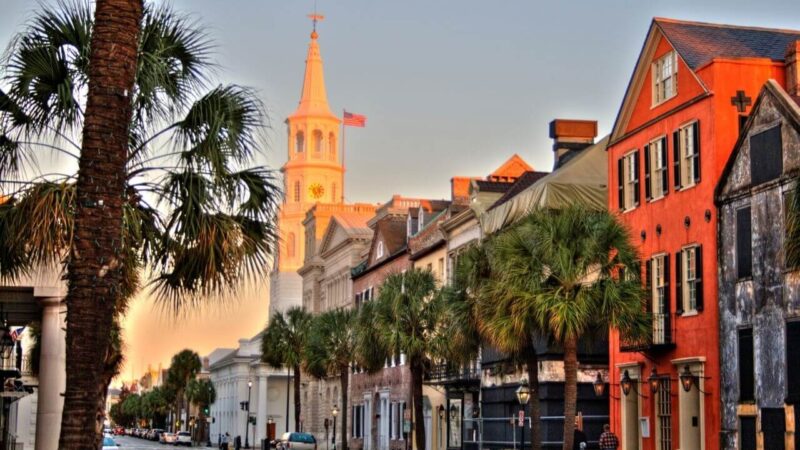
Charleston is often referred to as the “Holy City” or the “City of Churches,” due to its large number of religious institutions and the central role that faith has played in the city’s history and culture.
Here are some reasons why Charleston earned this nickname:
- Historic houses of worship: Charleston is home to several historic churches that date back to the colonial era and are known for their architectural beauty and significance. These include St. Michael’s Episcopal Church, which was founded in 1751 and has served as a symbol of the city’s resilience through wars, natural disasters, and other challenges.
- Diversity of faiths: While Charleston has a strong Christian heritage, the city is also home to a variety of other religious traditions, including Jewish, Muslim, and Buddhist communities. This diversity reflects the city’s history as a major port and cultural crossroads.
- Religious events and festivals: Charleston is known for its lively religious events and festivals, which bring together people of different faiths and backgrounds. Examples include the Charleston Christmas Parade, which features floats and performances from churches and other groups, and the Charleston Greek Festival, which celebrates the Greek Orthodox Church and its traditions.
Overall, Charleston’s reputation as the City of Churches reflects the city’s deep roots in faith and spirituality, as well as its commitment to religious diversity and tolerance.
Architecture

Charleston, South Carolina is known for its beautiful and diverse architecture, which reflects the city’s long and varied history. Here are some key features of the city’s architectural landscape:
- Historic homes: Charleston is home to many historic homes, particularly in the downtown area. These homes often feature unique details such as ironwork balconies, brightly painted shutters, and spacious gardens. Many of these homes have been preserved or restored, offering visitors a glimpse into the city’s past.
- Religious buildings: Charleston is known for its beautiful churches and synagogues, which reflect a variety of architectural styles from Gothic to Georgian. Many of these buildings are open to the public for tours and worship services.
- Public buildings: Charleston is home to several impressive public buildings, including the Old Exchange Building, which served as a custom house, a courthouse, and a prison during its long history, and the City Hall, which is housed in a beautiful Beaux-Arts building.
- Eclectic styles: One of the most distinctive features of Charleston’s architecture is its eclectic mix of styles, which reflects the city’s history as a cultural melting pot. Elements of English, French, Spanish, and African design can be seen in many buildings throughout the city.
Overall, Charleston’s architecture reflects the city’s unique history and cultural heritage. From its historic homes to its religious buildings and public spaces, the city offers a rich and diverse landscape for visitors and residents alike to explore and enjoy.
Southern Cuisine

Charleston, South Carolina is renowned for its rich and diverse culinary traditions, which reflect the city’s unique cultural heritage and geography.
Seafood: Charleston’s location on the coast of South Carolina makes it a hub for seafood, including oysters, shrimp, and crab. These ingredients are often featured in classic Southern dishes such as gumbo, she-crab soup, and shrimp and grits.
Lowcountry cuisine: Charleston is also known for its “Lowcountry” cuisine, which blends traditional Southern cooking with influences from African, Caribbean, and Native American cultures. Dishes like shrimp and okra gumbo, red rice, and hoppin’ john are all popular in Charleston and reflect the city’s diverse heritage.
Barbecue: No discussion of Southern cuisine would be complete without mention of barbecue, and Charleston is no exception. The city is home to several excellent barbecue joints, including Rodney Scott’s Whole Hog BBQ and Lewis Barbecue.
Comfort food: Southern comfort food is a staple in Charleston, with dishes like fried chicken, mac and cheese, and biscuits and gravy all being popular. Many restaurants in the city specialize in Southern comfort food with a modern twist, such as Husk and The Macintosh.
Overall, Southern cuisine in Charleston is a rich and diverse melting pot of influences and traditions, reflecting the city’s unique history and culture. Visitors to Charleston are sure to find a wide range of delicious and memorable dishes to try.
Why Is Charleston So Historic?
Charleston, South Carolina is considered one of the most historic cities in the United States, and there are several reasons for this:
- Settlement and colonization: Charleston was founded in 1670 by English colonists, making it one of the oldest cities in the United States. It played an important role in the development of the southern colonies and the growth of the United States.
- Revolutionary War: Charleston played a significant role in the Revolutionary War, with several important battles fought in the area. The city was occupied by the British for a time and suffered significant damage during the conflict.
- Civil War: Charleston was also an important city during the Civil War, with the first shots fired at Fort Sumter just outside the city. The war had a significant impact on the city, both in terms of its economy and its cultural heritage.
- Architecture: Charleston is home to many historic buildings, including homes, churches, and public buildings, that have been beautifully preserved and restored over the years. These buildings reflect the city’s long and varied history and offer a glimpse into the past.
Overall, Charleston’s rich and complex history has contributed to its status as a historic city. From its founding to its role in the Revolutionary War and the Civil War, the city has played an important role in the development of the United States.
Its beautiful architecture and well-preserved historic sites make it a popular destination for visitors from around the world.
Is Charleston A Foodie City?

Yes, Charleston, South Carolina is widely considered to be a foodie city, with a rich and diverse culinary scene that attracts food enthusiasts from all over the world. Charleston’s food culture is influenced by its location on the coast of South Carolina, as well as its deep Southern roots and diverse cultural heritage.
One of the key features of Charleston’s food scene is its focus on fresh, locally sourced ingredients. Many of the city’s top restaurants work closely with local farmers and fishermen to ensure that their dishes are made with the freshest and highest-quality ingredients available.
Charleston is also known for its emphasis on Southern cuisine, with a focus on dishes like shrimp and grits, fried chicken, and barbecue. However, the city’s food scene also includes a wide range of international influences, including French, Italian, and Asian cuisines.
In recent years, Charleston has become increasingly well-known for its fine dining options, with several restaurants in the city earning national acclaim and prestigious awards. However, there are also plenty of more casual dining options available, from seafood shacks to barbecue joints to food trucks.
Overall, Charleston’s foodie scene is a major draw for visitors to the city, with a diverse and vibrant culinary landscape that offers something for everyone.
Why Is Charleston Called The Holy City?
Charleston, South Carolina is often called “The Holy City” because of its large number of historic churches and religious institutions. The city is home to more than 400 churches of various denominations, including many that date back to the colonial era.
One of the reasons that Charleston has such a high concentration of churches is that the city was founded as a religious refuge. The original settlers of Charleston were English colonists who were seeking a place to practice their Anglican faith free from persecution.
Over time, the city became home to many different religious groups, including Huguenots, Jews, Quakers, and Methodists, each of which built their own places of worship.
In addition to its rich religious history, Charleston is also known for its beautiful church architecture. Many of the city’s historic churches feature stunning Gothic and Romanesque designs, with intricate stonework, stained glass windows, and soaring bell towers.
Overall, Charleston’s reputation as “The Holy City” reflects both its long and diverse religious history and its beautiful and historic churches. The city’s religious institutions are an important part of its cultural heritage and continue to play a significant role in the community to this day.
Conclusion: Why Is Charleston So Famous?

Charleston, South Carolina is famous for its rich history, charming architecture, vibrant culture, and stunning natural beauty. From its role in the American Revolution and Civil War to its status as a hub for agriculture and trade, Charleston has played an integral part in shaping the United States.
Additionally, Charleston’s unique blend of Southern charm and coastal beauty has attracted visitors from all over the world. Its stunning beaches, historic landmarks, world-class restaurants, and thriving arts scene make it a popular destination for tourists and locals alike.
Overall, Charleston’s fame can be attributed to its rich history, cultural significance, natural beauty, and the unique experiences it offers visitors.


